
We may earn revenue from the products available on this page and participate in affiliate programs. Learn More ›
February might feel like the quietest month as a gardener, but it’s actually one of the most important times to set up a successful growing season. Even if your yard is still frozen or covered in snow and your planting beds are bare, a little preparation now can save time, money, and frustration later as the seasons change. By focusing on the following essential tasks, you can get ahead of the spring rush and ensure your plants have the best possible start, no matter where you live or what you plan to grow.
1. Test garden soil.
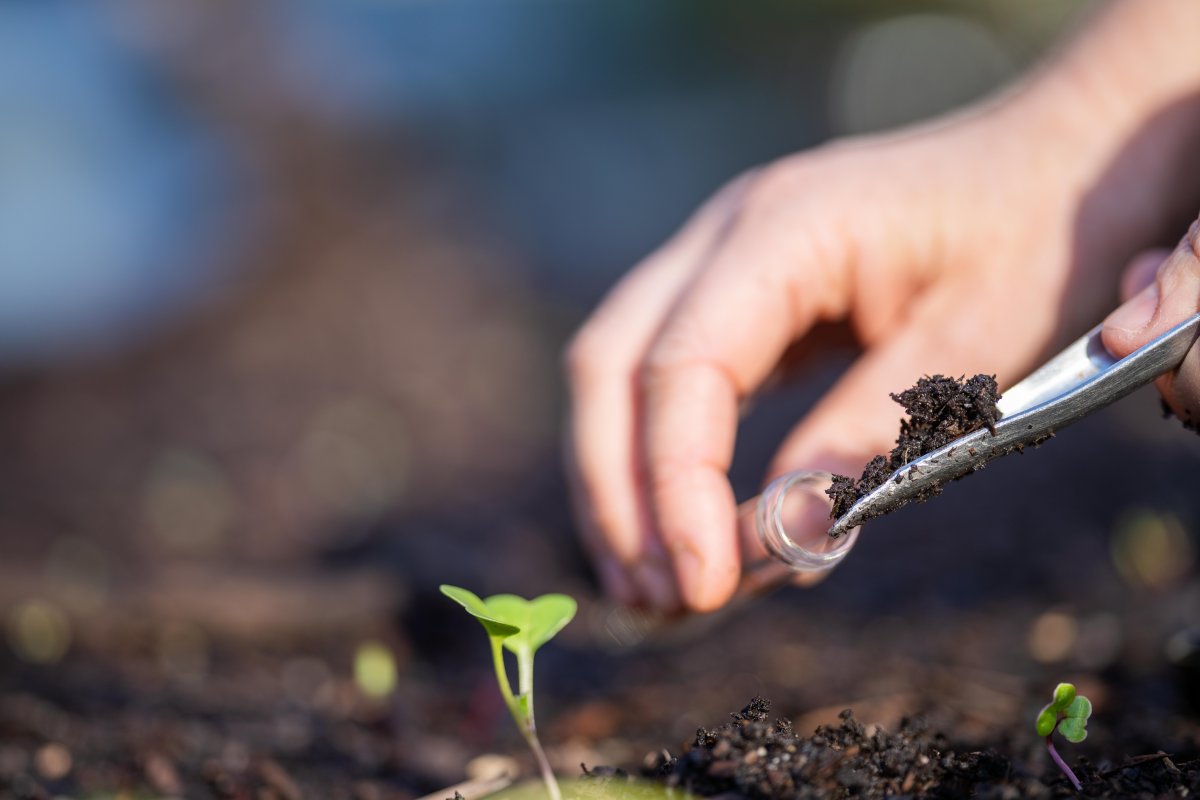
February is an ideal month to test your garden soil, since it gives you time to learn which soil amendments might be needed to get your soil in the best possible shape for the upcoming spring growing season, says Steve Corcoran, CEO of Lawn Love in San Diego, California. “You can learn where the pH balance is standing and what nutrient deficiencies there are,” he explains. You’ll learn the specific levels of nitrogen, phosphorus, and potassium in the soil, which influence vegetation growth in different ways. Soil tests can also indicate contamination, complex soil composition, and soil-borne pathogens that could cause problems.
You can perform soil tests on both vegetable and flower gardens to ensure they will be ready to flourish in a few months. “Getting your soil prepped for growing ahead of time can make all the difference in the world when it comes to how successfully your plants end up growing in the spring and summer,” says Corcoran. You can order a DIY soil testing kit such as MySoil Test Kit, but it’s more accurate to send the sample to an accredited soil testing lab for analysis. Check with your County Cooperative Extension office to see if they offer soil testing services, which will provide a detailed analysis of your soil, as well as suggestions for amendments.
2. Check and prepare garden tools.
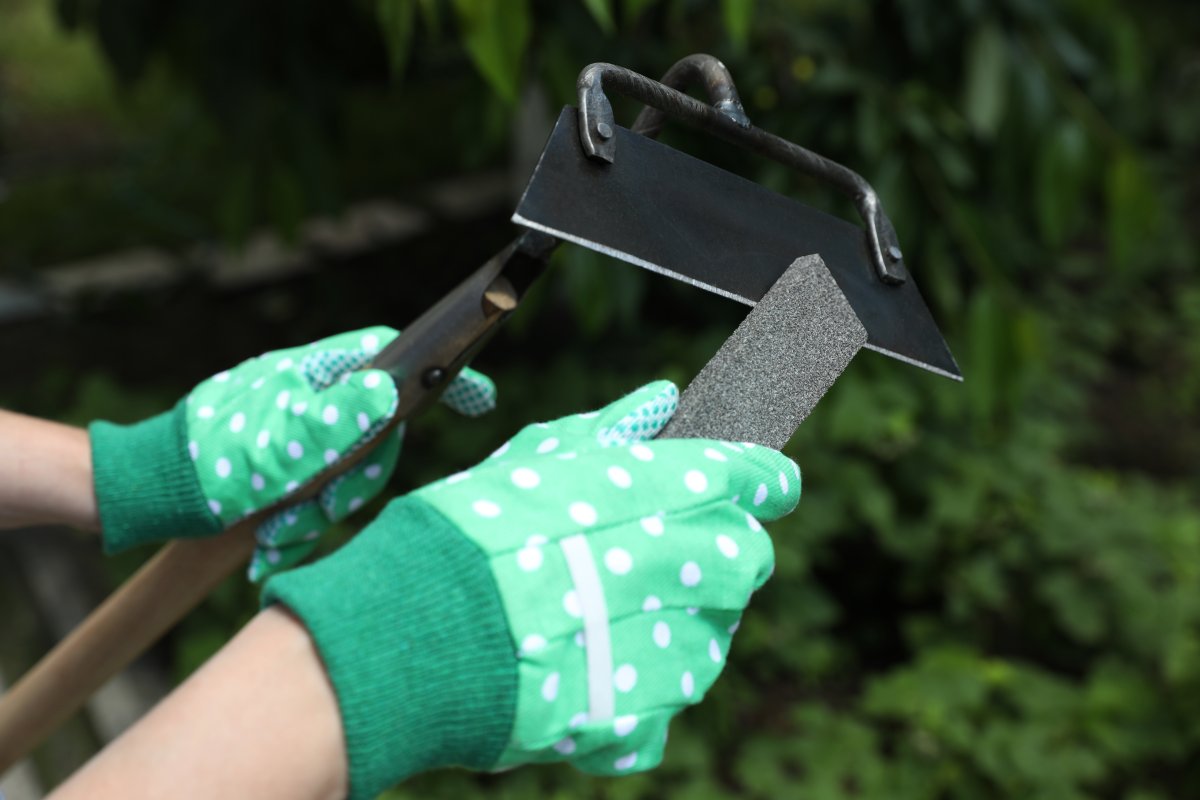
Another way to stay on top of gardening tasks even when your garden is officially closed down for the season is to maintain and prep garden tools. “Preparing your gardening tools is a task you will thank yourself for later,” says Anthony Musso, landscape designer at Hicks Nurseries in Westbury, New York. “Clean and sharpen pruners, spades, and gardening knives, then lubricate tools to prevent rust.” Well-maintained tools are easier to use, help you work more efficiently, and are less likely to harm plants.
Here are specific ways to keep your garden tools in tiptop shape:
- Sanitize garden tools. Pinnock recommends keeping your tools clean to prevent the spread of disease to plants. “Wipe your blades with isopropyl alcohol to kill last year’s germs and give you a new start for the spring,” he says. “Tools are like needles if they aren’t clean; you’re injecting old germs into new growth.” Another option is to fill a bucket with hot water and add ½ teaspoon of dishwashing liquid per gallon of water. Soak each tool for about 15 minutes, rinse with cool water, and dry with a microfiber cloth.
- Sharpen cutting and digging tools. It’s critical to keep metal blades sharp for clean cuts. “A dull blade will crush your plants’ veins, which leads to injury and invites disease, but if you keep it sharp then it cuts cleanly through, giving it a better healing process,” notes Ciondre Pinnock, owner of Full Cycle Yard Development and Maintenance in West Orange, New Jersey. Any tool with a metal blade needs to be sharpened; this includes pruners, loppers, hedge trimmers, axes, hedge shears, spades, and trowels. You can use a metal file or sharpening stone on the cutting edge of the blade. After sharpening, wipe the blade with a cloth and apply a light coat of oil to prevent rust.
- Remove rust from metal parts. Rust can weaken tools, make them harder to use, and damage plants, so take the time to remove rust from tools like pruners and trowels. Pinnock recommends the sand bucket trick: “Store your shovels in a bucket of sand with some oil, and this will scrub any rust off of your shovels so they’re ready for the spring.” You can also create a paste with baking soda and then scrub tools using a wire brush or steel wool. Soaking tools in a solution of water and white vinegar is another option.
- Oil Pivot Points. Use this downtime during the winter to lubricate your shears and pruners with WD-40 to keep them operating sufficiently.
- Sand wooden handles. The wooden handles on your tools can nick and splinter, making them uncomfortable to use. Smooth them out with sandpaper. You can also rub linseed oil on the handles to create a protective barrier to repel water.
3. Plan your upcoming garden.
This is also an opportune time to plan for next season and map out your garden. Here are some steps to take in February to begin planning your garden:
- Review last year’s plants. Think back to when you closed down your summer garden. What worked well? What could be improved? What problems did you experience that you can try to prevent this coming season? Do you want to add shrubs next year for more winter color? Understanding last season’s patterns can help guide smarter decisions in the future for plant selection and plant care.
- Design garden beds. Sketch a layout for your garden so you know exactly what you need to do when the weather warms up. Mapping out the garden helps you visualize details like plant height, spacing, color, drainage, shade, and bloom timing before planting even begins. This is especially important if you want to expand your garden or make improvements from last year. Reviewing last year’s vegetable garden also helps you make a plan to rotate crops.
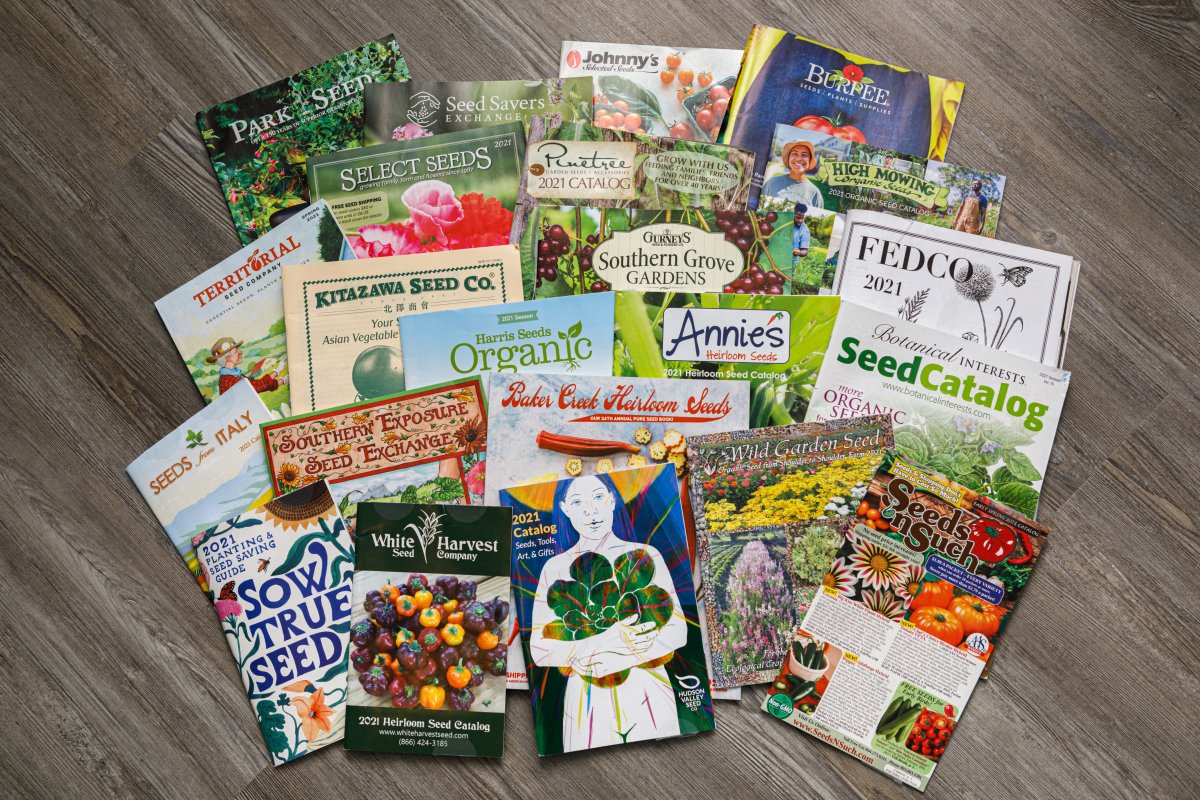
- Select and order plants and seeds. February is when nursery catalogs start to arrive, and popular plants can sell out quickly. “This is a great month to order seeds for early spring vegetables such as lettuce, spinach, and kale, and even some annuals like marigolds, petunias, or impatiens,” advises Musso.