
We may earn revenue from the products available on this page and participate in affiliate programs. Learn More ›
If you want to grow more food at home or are struggling to maintain your landscape, your local extension office might be able to help. The Cooperative Extension Service is a critical part of the mission of the nation’s 100-plus land-grant colleges and universities, providing outreach to communities across the country. A 1914 act formalized the cooperation of the federal government’s Department of Agriculture and state governments to provide research-based information about all sorts of topics, including gardening, food preservation, and natural resources.
Each state has at least one land-grant university and county or tribal extension office to serve residents. Reach out to extension offices for free or low-cost help with gardening, soil, pest problems, food preservation, and more. If you’re not sure who to call, look for lists from the USDA and the Extension Foundation with online links to Cooperative Extension Services by state.
What is an extension service?
Extension offices prioritize education and assistance, but the centers also conduct research and teach and oversee volunteer master gardeners. While extension service help is usually free or inexpensive, experts say there are other important reasons to consult extension agents. “Local gardening advice matters,” says Lisa Kuder, native plants and landscapes specialist for the University of Maryland Extension in Elliott City, Maryland. Throughout the U.S., each bioregion has a unique mix of geology, land use, climate, and biological diversity, and local agents have an unparalleled understanding of these plant communities and challenges. “When people rely on national, one-size-fits-all resources, these nuances can be lost, increasing the chance of planting mismatches and gardening failures,” says Kuder.
Local extension agents typically have degrees in areas like agricultural education, animal science, family and consumer sciences, or plant science. Extension experts can be specialists in:
- Agriculture, agronomy, and agribusiness
- Animal science and livestock or poultry
- Entomology and pests
- Natural resources and water quality
- 4-H programs and youth development
- Horticulture, yard and garden
- Environmental science
- Food quality and nutrition
- Food safety and security
- Health and wellness
In addition, agricultural and gardening experts often specialize in targeted areas such as weeds, native plants, turfgrasses, growing fruits and vegetables, or growing crops specific to the region.
Ways an Extension Service Can Help You
Aside from browsing helpful publications on cooperative extension websites, homeowners can reach out to local master gardeners via email, phone or perhaps in person at events such as lectures or guided tours that extension offices sometimes offer. “Marylanders encounter our services through a variety of ways,” says Laura Wormuth, communications manager for University of Maryland Extension. This includes an online information service that’s “available to answer people’s questions about plant problems, insect damage or other pest issues, as well as planting and gardening assistance,” she says.
1. Plant Selection
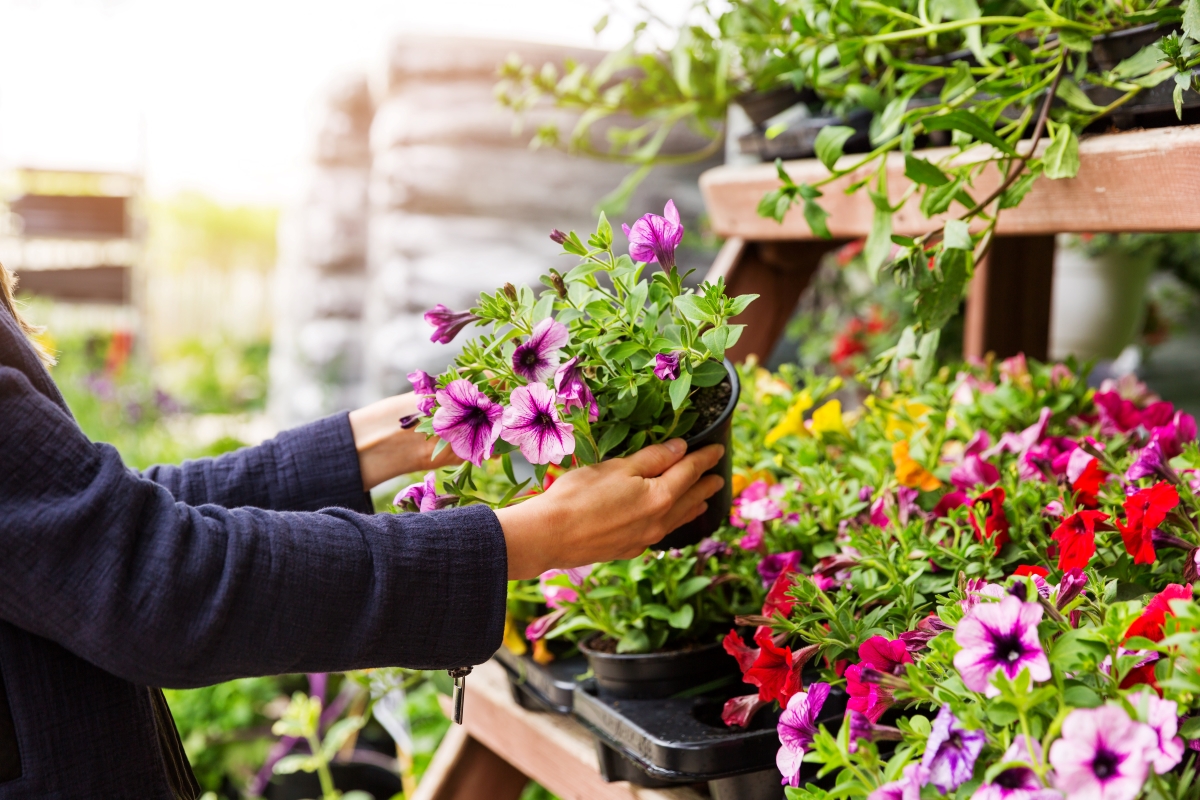
Your local extension office is uniquely well-suited for giving advice on which plants to add to the landscape. Growing conditions vary according to specific ecoregions, and Kuder says that Maryland’s statewide extension team “is developing ecoregion-based native plant resources to better reflect these differences and to help gardeners and land managers choose the right plants for the right place.” Extension offices around the country often have readily available lists of region-specific native plants.
In particular, selecting native plants offers gardeners the best chance of success and the local ecosystem the best support. “Having co-evolved with local wildlife and microbes, (native plants) provide the energy and relationships that sustain complex, diverse food webs,” Kuder adds. From a gardener’s standpoint, choosing the right plant for the right place typically means less irrigation and chemical use, plus “the most cost-effective ways to support wildlife and protect community waterways,” says Kuder.
2. Growing Food

Although growing edibles for a family might not involve selecting native plants, the help of a local expert on concerns like soil pH in the region, rainfall, and temperature is invaluable when planning and managing a vegetable garden. Using their hyper-local expertise gained from experience and research, cooperative extension services help local farmers and ranchers as well as home vegetable growers.
Extension offices and master gardeners often publish calendars with frost dates and optimal timings for sowing vegetable seeds or harvesting fruit. An extension agent can help gardeners choose the best varieties of edible plants, such as tomatoes, for the region’s growing conditions. Many state extension programs offer soil testing for vegetable gardens, says Heather Bryant, field specialist, food and agriculture, at University of New Hampshire Cooperative Extension. The soil tests “will also provide fertilizer recommendations for your specific crops,” she says.
3. Preserving Food
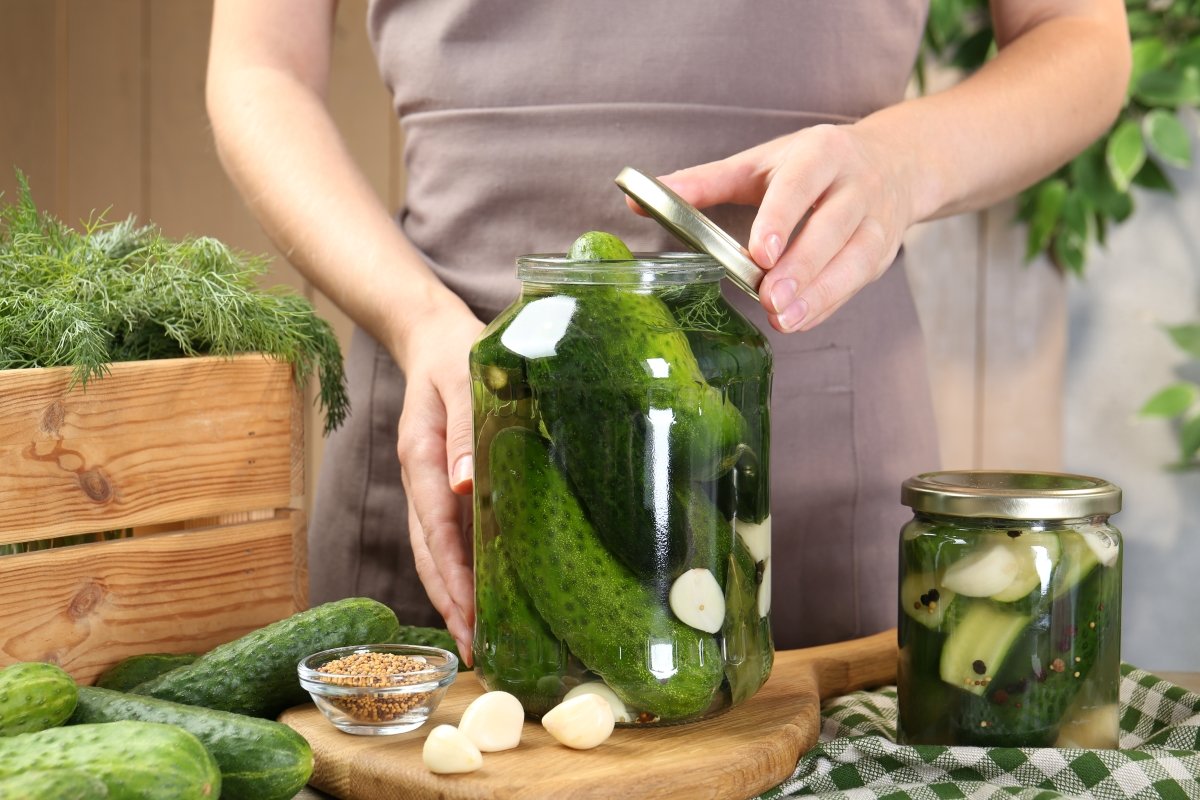
When you grow a successful edible garden, cooperative extension professionals can help you preserve as much of your harvest as possible. Various vegetables and herbs store at different conditions, which might include cool cellar storage, drying, canning, pickling, or freezing. Aside from quality and taste, the safety of preserved food is essential. Your local extension office likely offers research-based information on food preservation and even general home food safety tips. Look for online publications, available classes, or contact your extension office for more information.
4. Soil Testing
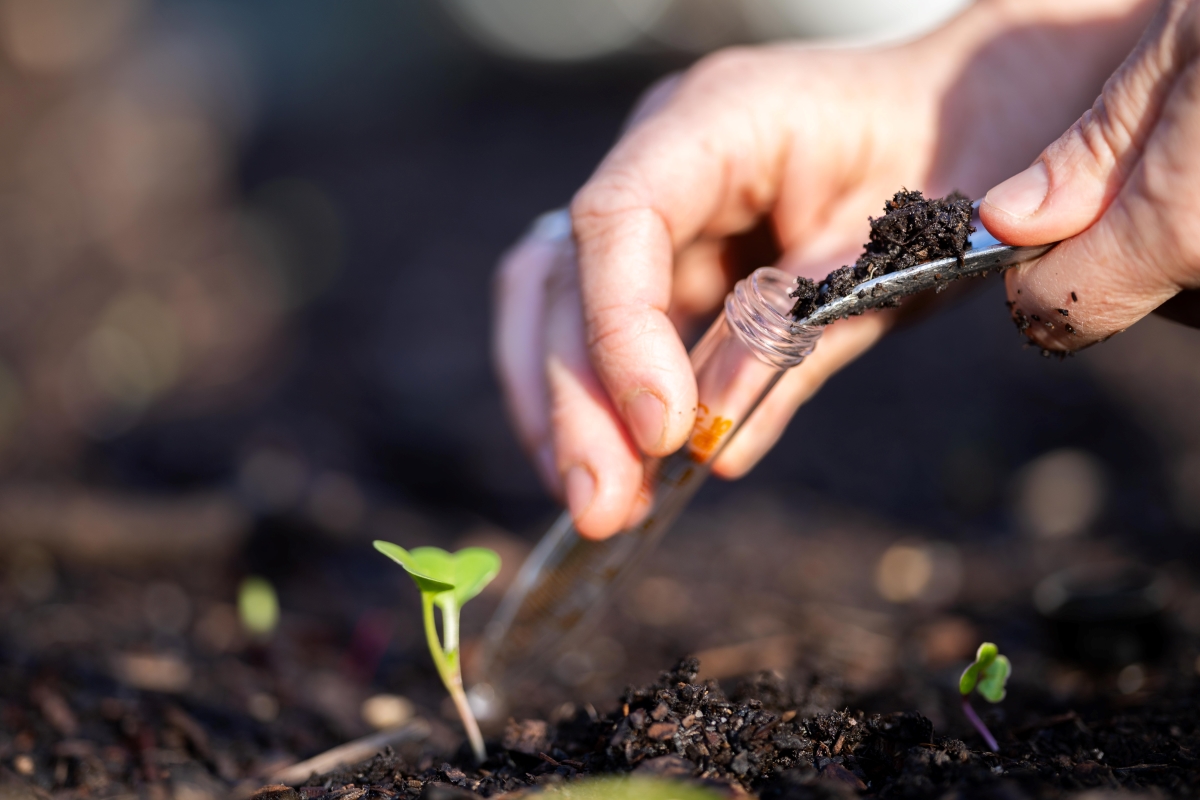
When plants are doing poorly, you might be tempted to pile on fertilizer. But it needs to be the right mix and amount for your soil’s composition. Bryant says soil testing will “provide fertilizer recommendations for your specific crops, and personally I like to use soil tests to guide how much fertilizer I use.”
Although many extension offices, including Maryland’s, no longer offer soil testing, they provide information on how to test soil. “Our Home and Garden Information Center provides facts of the importance of soil testing, how to prepare a soil sample, and the contact details for local soil testing labs,” says Kuder. Many cooperative extension services also offer information on how to interpret soil test results, like this guide from Oregon State University.
Best Soil Test Kit
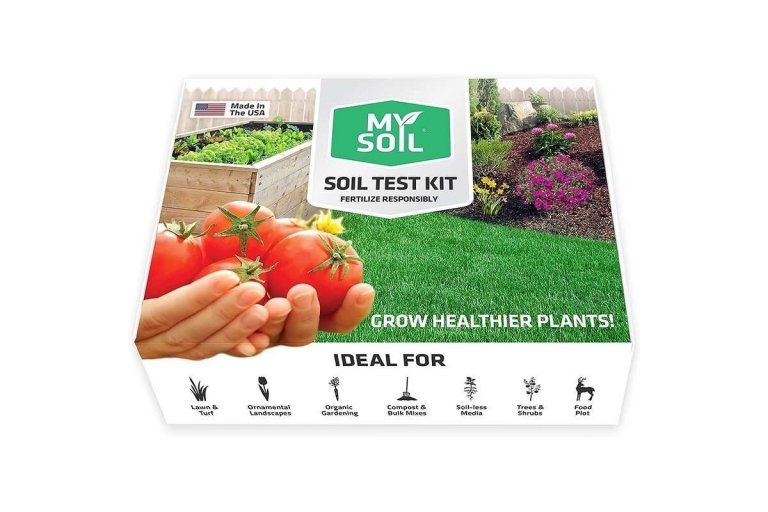
MySoil Test Kit
Mail in the MySoil Test Kit and you’ll get an email a week later with in-depth micro- and macronutrients and NPK information. Read the review.
See It5. Livestock and Backyard Chickens
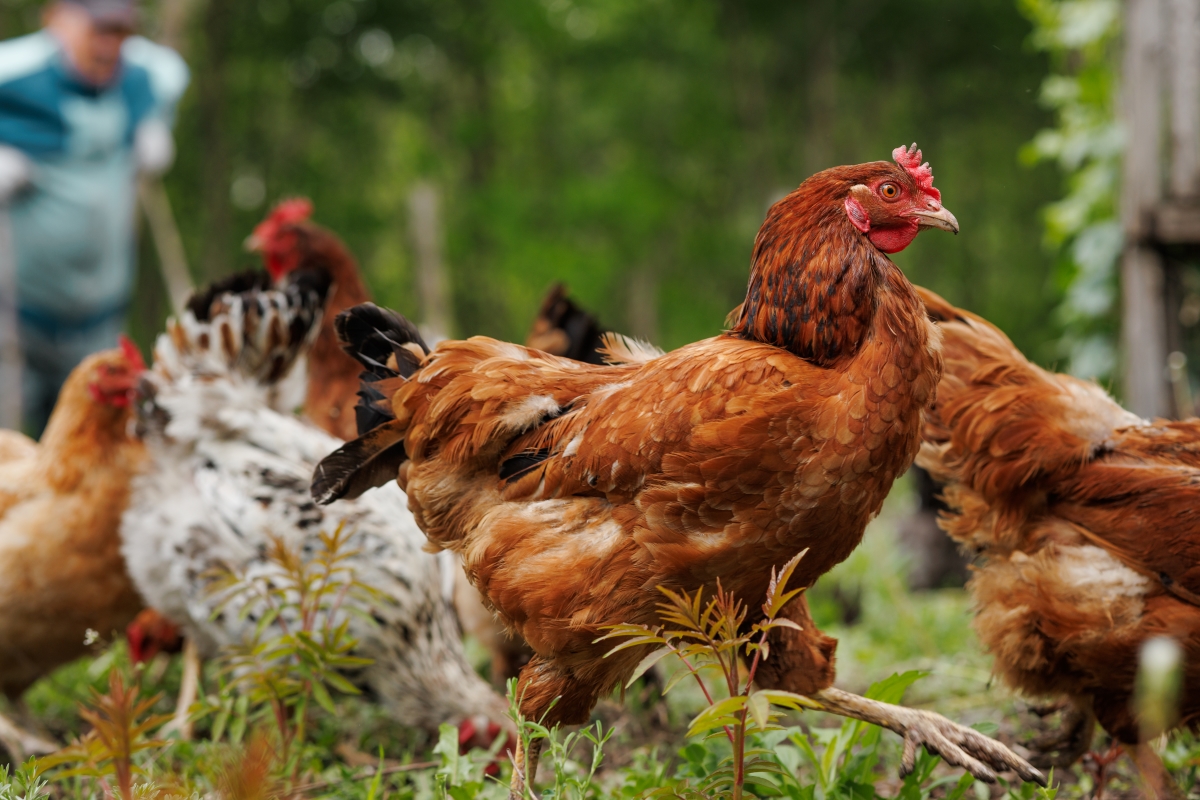
Cooperative extension services assist local farmers and ranchers through animal science research and programs as part of their mission. Their assistance might cover technology, nutrition, breeding, disease prevention, and protecting livestock from predators. They can also assist mini-farmers and those with backyard chickens. For example, the University of Maryland publishes resources on the basics of small flock production.
Even if your local extension office does not have an animal agriculture expert, it probably can provide links to local resources, including this helpful combination of resource publications and links from North Carolina Cooperative Extension.
6. Lawn Replacement or Repair
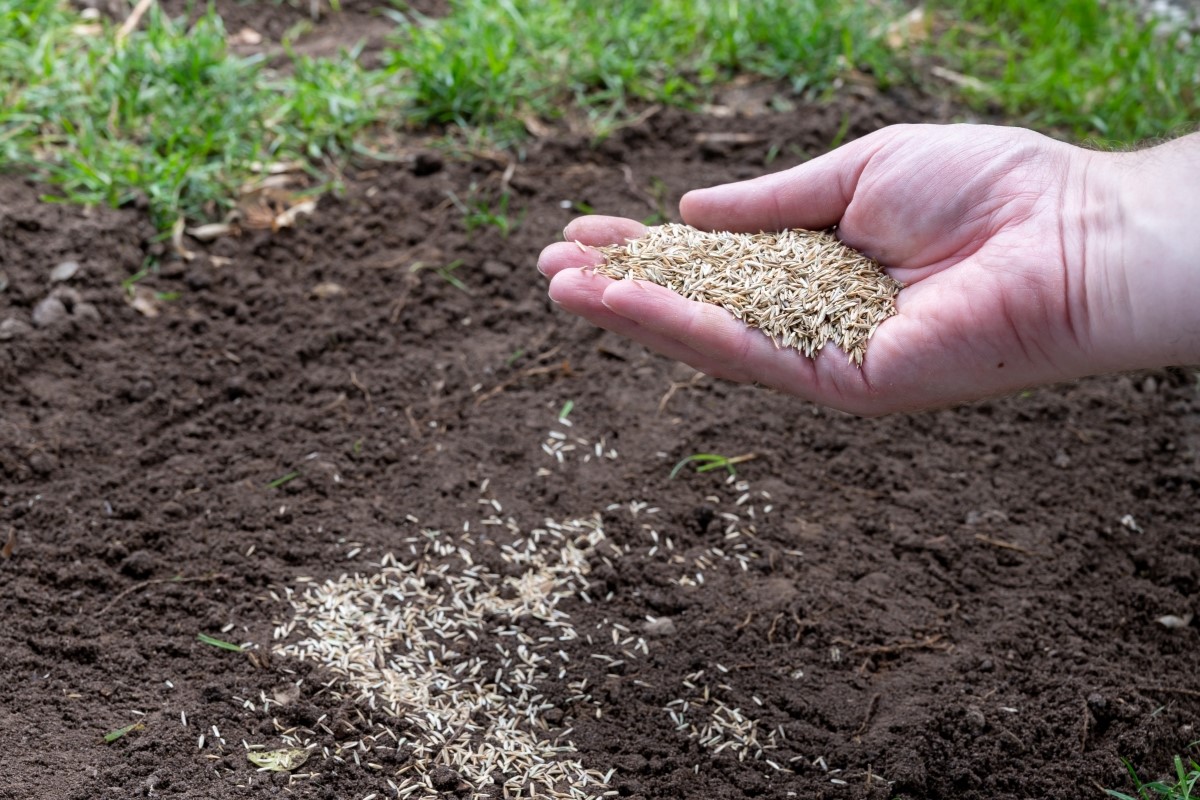
Whether you’re interested in eco-friendly alternatives to regular green lawns, information about native grasses for your region, or just help with lawn pests or diseases, you can turn to your cooperative extension office for advice. For example, as with native plants, native grasses typically fare better and use fewer resources than non-native turfgrasses.
Local extension offices publish helpful information online about the challenges of maintaining healthy lawns for their regions. Many also employ turfgrass specialists who research and understand the diseases or pests common to the area so you can revitalize a brown lawn. The National Arboretum publishes a list of links to turfgrass programs at cooperative extension services around the country.
7. Insect Control
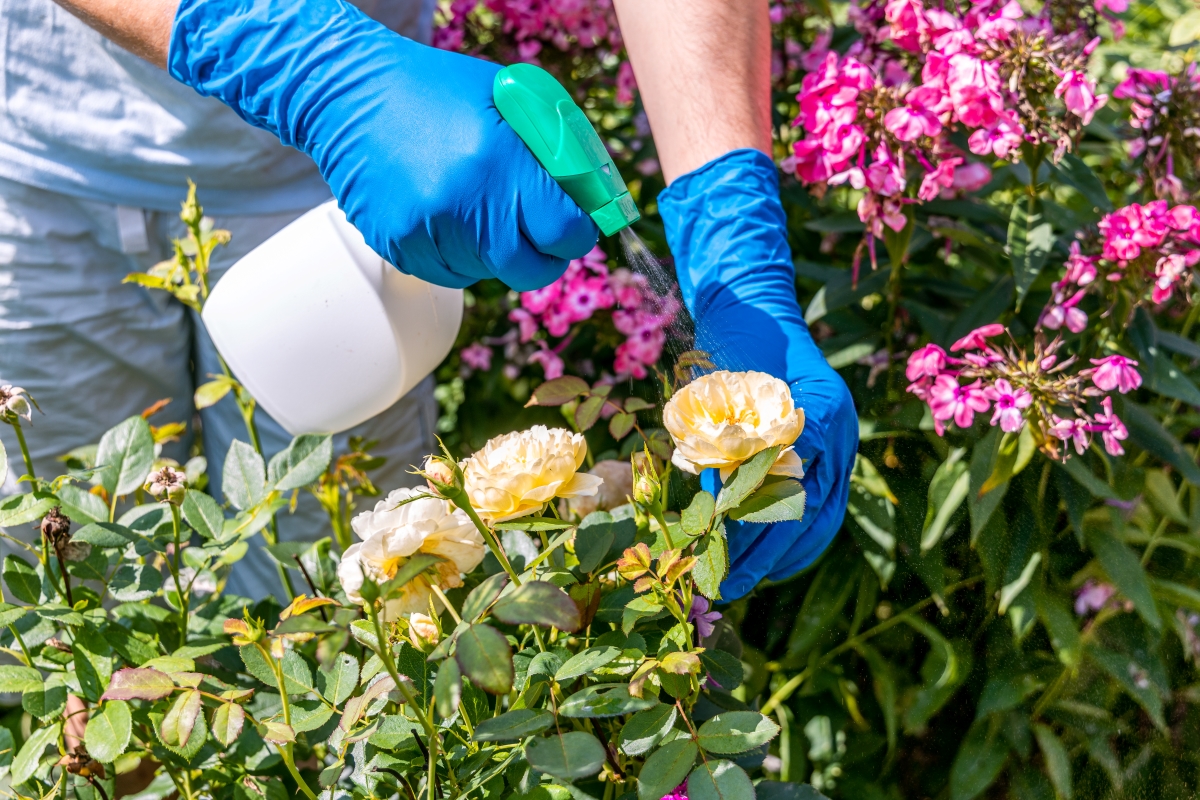
Your local extension office can help identify pests, which is the first step in eradicating them. Most horticultural agents have a basic background on common pests by region and plant type (such as fruit trees or rose bushes). They also publish helpful guides on pesticide use and safety. Cooperative extensions emphasize integrated pest management, which starts with the most sustainable solutions for ridding plants or homes of pests.
In addition to ensuring that home and garden contacts have knowledge of common pests, most extensions employ entomologists for research and expert guidance. According to Wormuth, University of Maryland Extension’s Home and Garden Information Center’s online service “is available to answer people’s questions about plant problems, insect damage or other pest issues.” The online form includes the ability for those with questions to attach photos of plant problems or insects.
8. Living with Wildlife

Living near wildlife can present gardening challenges, and your cooperative extension office can help you prevent damage to plants while also ensuring the health of the region’s native animals. Wormuth says that in addition to agricultural agents and master gardeners, “We also have a wildlife specialist on staff who can advise people on managing wildlife damage,” such as plant damage from deer.
These specialists have knowledge of local wildlife and how to assist local extension representatives and educate residents to mediate human-wildlife conflicts. They can educate the public on the needs of wildlife and might recommend approaches such as fencing, nonchemical deterrents, and habitat management.
9. Invasive Plants and Weed Control
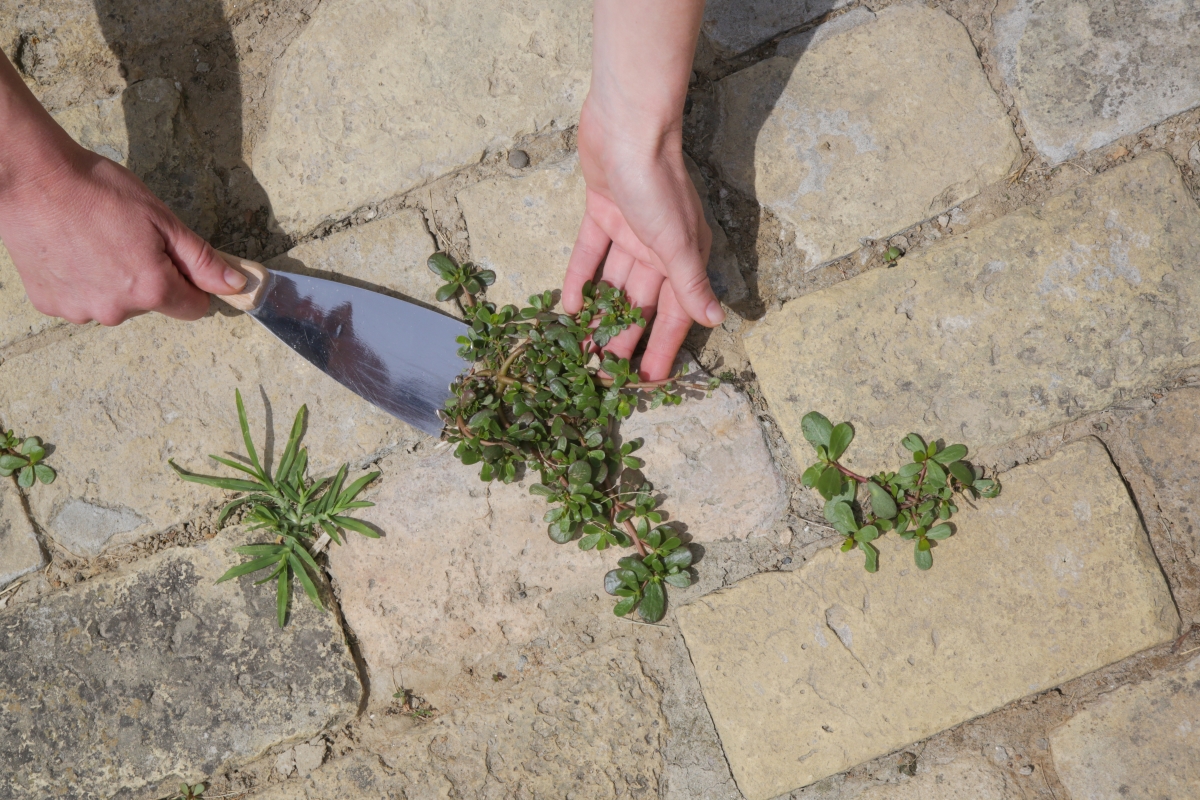
Cooperative extension services also can help residents manage problems with weeds and locally invasive plants. According to Kuder, state departments of agriculture usually regulate invasive plants to some degree to keep them from spreading aggressively. “Our extension office works closely with the Maryland Department of Agriculture to educate growers, landscape professionals, and the public about the risks invasive species pose, how gardeners and land managers can identify and manage them, and which native alternatives to consider instead.”
Information on risk from invasive species changes quickly based on research and surveillance. “Extension plays a critical role in translating evolving science and policy into clear, practical guidance,” Kuder says. Look to your local office for general information on controlling weeds or identification of noxious weeds and invasive plants.
10. Basic Design Help
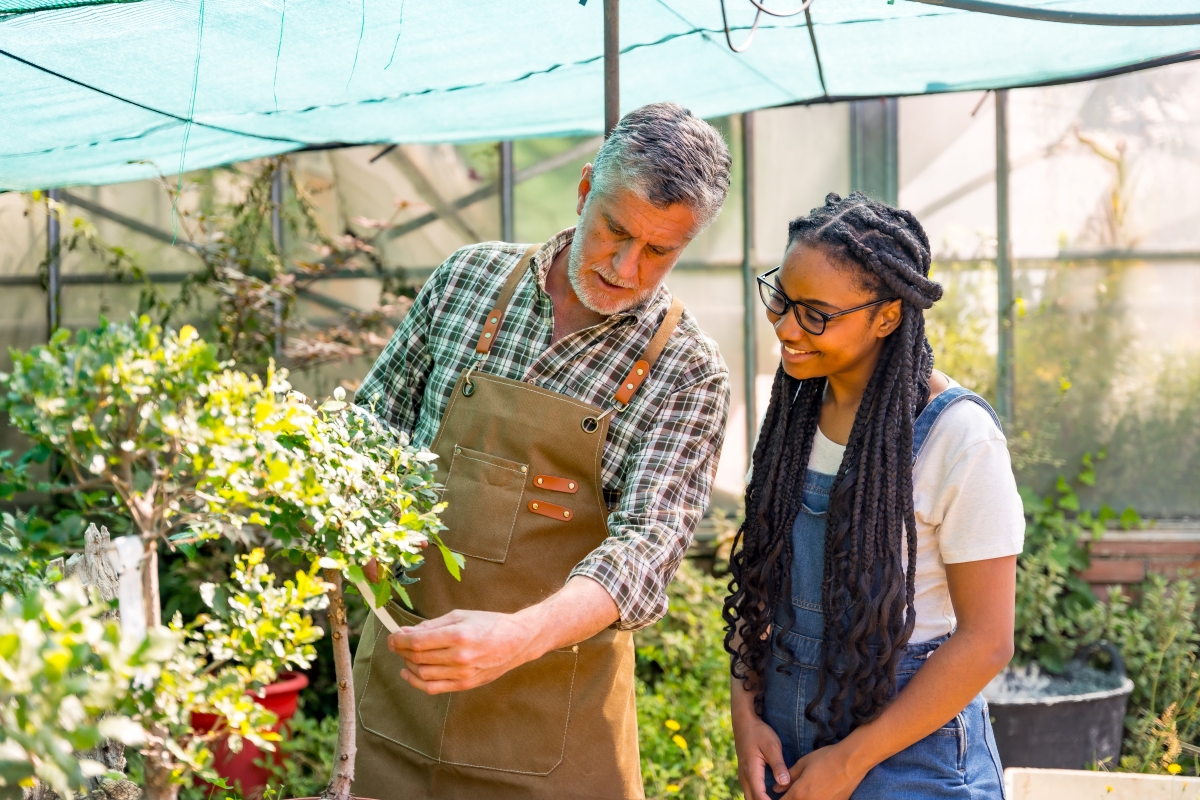
When planting new trees or adding perennials to the front yard, you can learn about potential problems like maintenance, drought tolerance, shade or sun needs, and mature sizes of plants from your local extension office. Extension master gardeners are volunteers educated by cooperative extension professionals who share their knowledge with the public. In some cases, they make home visits to help gardeners with plant problems or placement.
Wormuth says that while their agricultural agents typically handle commercial agriculture concerns, Maryland’s master gardeners assist homeowners. Often the entry point for yard and garden questions via helplines, the volunteers might publish gardening guides, speak to groups, or hold regular events where they can meet with gardeners who have questions.
11. Natural Resource Use
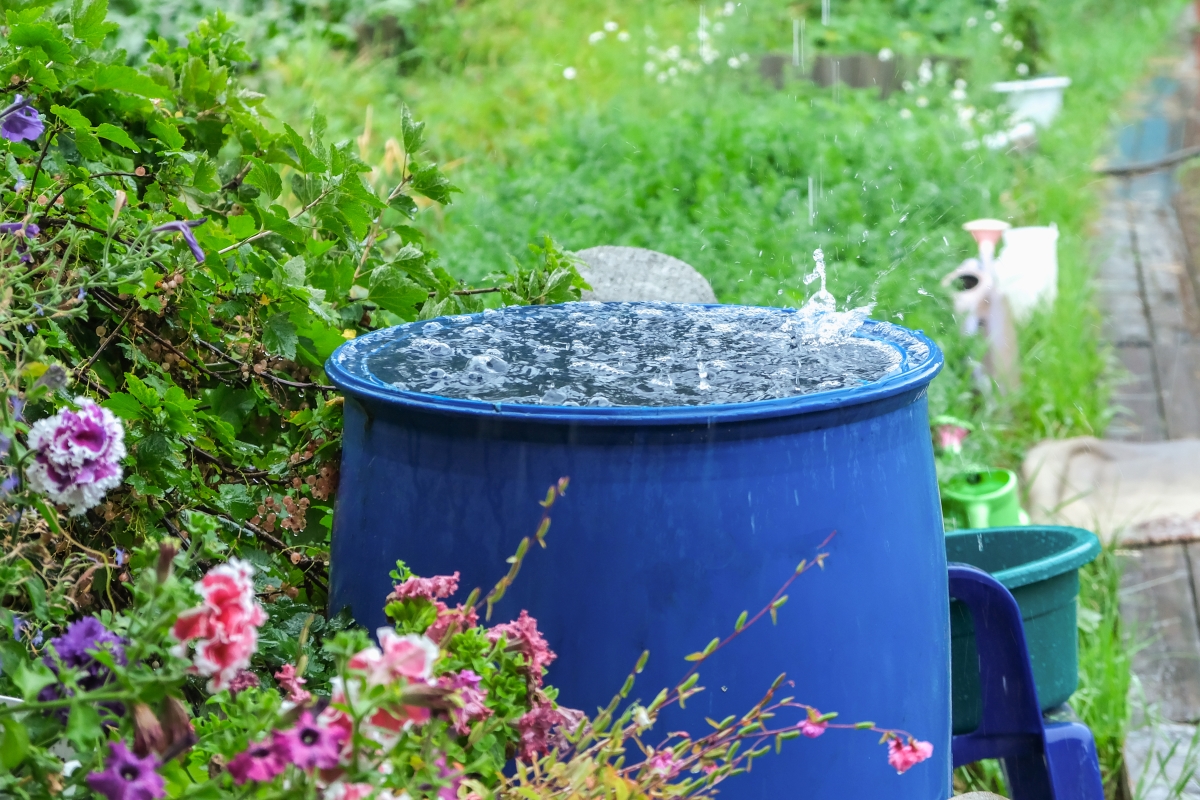
Use of native plants is one way to protect valuable natural resources, but cooperative extension teams also have information on attracting local pollinators and wildlife and how to work with local weather and growing conditions. Kuder participates in the National Extension Native Plant Initiative, which “provides a forum for extension professionals nationwide to connect, exchange existing native plant resources, and identify emerging needs and opportunities for new resource development,” she says.
Extension experts share those findings with local communities and rely on them to help gardeners make informed decisions that help their gardens without harming local habitats or resource availability. For example, you can check with your local extension office about how to water your lawn with minimal waste and for help in weighing various solutions like irrigation systems or xeriscaping if drought is a problem in your area.
12. Tree Health
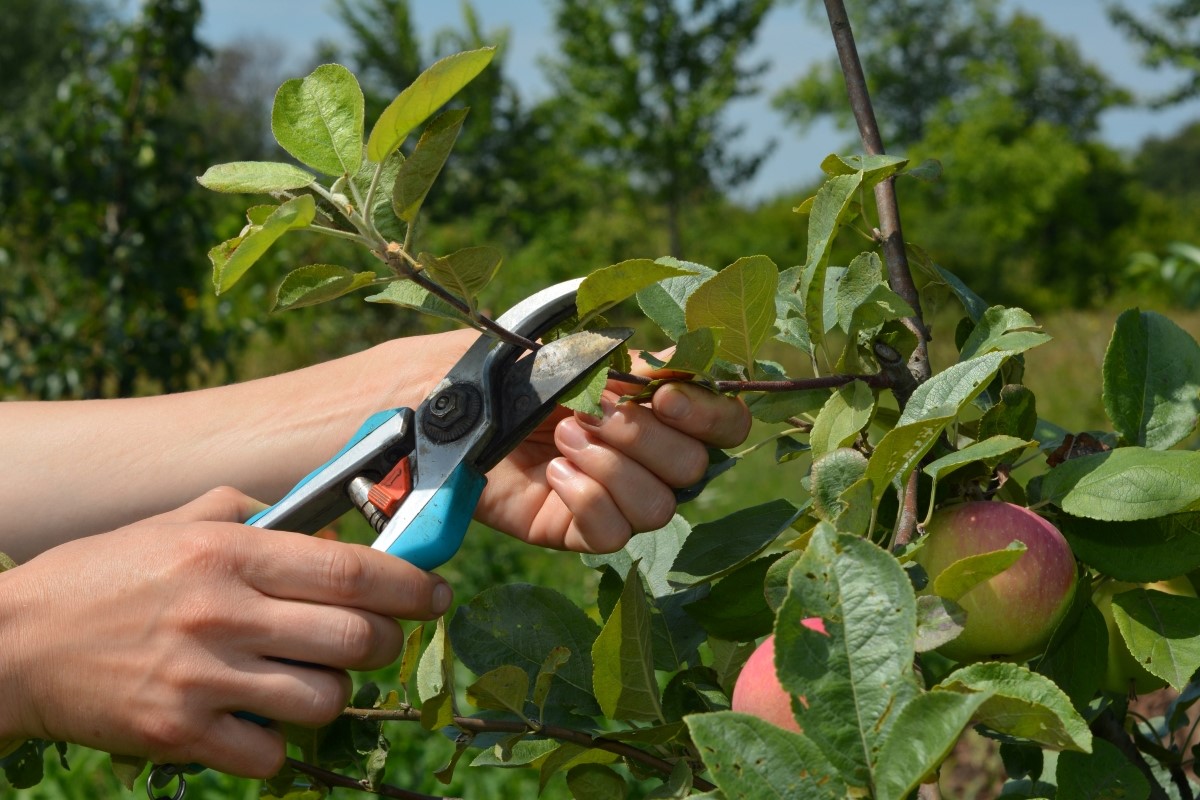
Trees can be costly to maintain, and a tree in decline can pose a risk to people and property. Consider asking a local extension service for advice on how to proceed with a problem tree. They’ll also know about tree diseases common to the area and may be able to recommend how to treat trees before it’s too late. Many also publish guides on common tree diseases and how to prune fruit or ornamental trees. For example, Maryland’s online resources include common tree problems, wildlife and tree issues, tree insects and diseases, caring for trees, and information on problems with tree species that grow in the area.
13. Disease Control
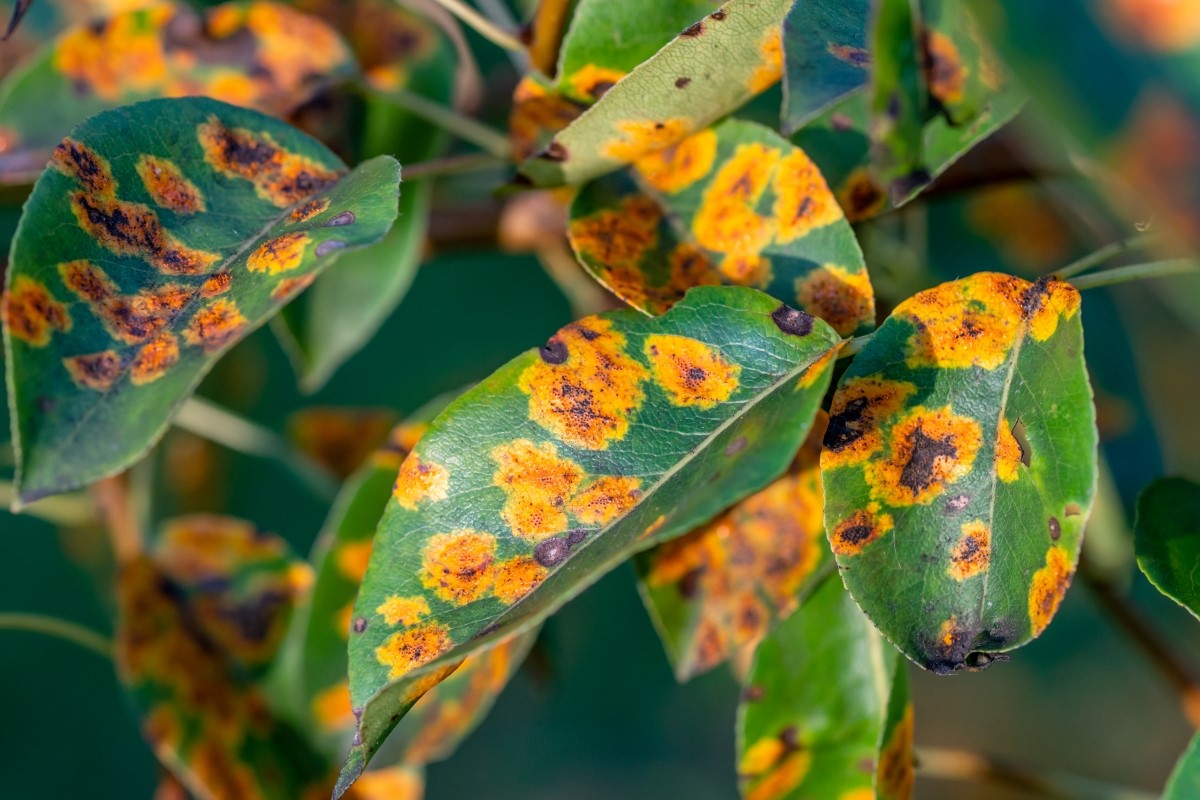
Various plant diseases often have wildly different management strategies. Extension websites are full of information on how to prevent and manage plant diseases. Some extension offices offer lab testing for fungal diseases that live in the soil. The New Mexico State University Diagnostic Clinic, for example, offers diagnostic testing to farmers, many of whom run small or family-owned operations. In 2025, the free service processed more than 1,200 samples.
Disease testing helps prevent local disease spread, which helps both farmers and home gardeners. Extension experts are kept abreast of common fungal and bacterial diseases to aid in education and prevention and even help home gardeners identify potential diseases in their plants, lawns, and edible gardens. This often involves submitting a plant specimen; this helpful guide from the University of Delaware offers advice on selecting plant disease specimens.