We may earn revenue from the products available on this page and participate in affiliate programs. Learn More ›
It’s easy to overlook a few neglected spots on your own property, but while you might walk right past them, your neighbors on the other side of the fence might be frustrated. Subtle landscape oversights can quickly turn into problems if left unaddressed. In addition to destroying your curb appeal, these issues can attract pests like mosquitoes and rodents and cause costly and unsightly damage to your yard and surrounding structures. Here are five yard problems you’ll want to avoid to keep the peace with your neighbors while deterring unwelcome pests and protecting your property.
1. Overgrown Grass and Weeds
Overgrown grass and dense weeds are a common eyesore in unkempt yards. “Not only does it make a yard look chaotic, but it is also a breeding ground for ticks and fleas and a great hiding spot for rodents,” says Ryan Carrigan, a real estate expert and the CEO and co-founder of moveBuddha in Athens, Georgia.
According to Carrigan, the reason why an overgrown yard annoys neighbors is that ticks and fleas spread, so if they have animals, the neighbors are also going to experience the problem as well. The second reason it is painful is that weeds and their seeds don’t respect the boundaries of the yards they are in. “Weeds like dandelions and crabgrass spread like wildfire, and before your neighbor realizes it, their yard has been infected,” says Carrigan.
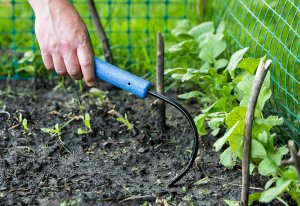
He recommends practicing good yardwork etiquette by sticking to a consistent mowing schedule to keep your grass tidy and removing weeds from your garden as soon as you spot them.
2. Old and Neglected Mulch
Mulch can be a common eyesore, says Tyler Mainka, president of Best Bark Mulch in Pewaukee, Wisconsin, because after 2 or 3 years mulch loses its color and turns a flat, washed-out gray. “Grass clippings, leaves, sticks, and dirt get worked into the mulch over time, and the fine particles that give fresh mulch its smooth appearance decompose or sink into the soil, leaving behind a rough, uneven layer of oversized chunks with no clean edges,” explains Mainka. Letting this happen looks like you gave up on landscape maintenance, which can upset your neighbors since the appearance pulls down the aesthetics of your entire street.
Beyond curb appeal, the matted mulch traps moisture and gives rodents insulated tunnel space with cover from predators, and termites use it as a direct bridge to the structure, says Mainka. Avoid piling mulch against your home’s foundation, as this can trap moisture and accelerate wood rot. “A 6-inch clearance isn’t just good practice; it’s reflected in residential building codes and is what pest control inspectors flag when mulch is touching siding,” notes Mainka. “Keep the layer between 2 and 3 inches deep and pull it back from the foundation.”
3. Standing Water
Water that collects in areas like birdbaths, clogged gutters, and ponds can become a breeding ground for mosquitoes. Matt Bigach, cofounder of Nexus Homebuyers in Knoxville, Tennessee, where he buys distressed properties and repairs them before putting them back on the market, walks hundreds of yards each year during inspections and always looks for standing water first. “It creates more issues than people realize,” he says. “Rainwater is stored in clogged gutters, low areas in the lawn, and in forgotten kiddie pools, giving mosquitoes plenty of time to breed.”
In his experience, yards that have a low area near the property line tend to become a swamp every time it rains. “That water typically flows directly into the neighbor’s side, and that’s how a conflict between two neighbors who were once good friends begins,” warns Bigach.
To remedy this situation, you might need to regrade your yard or install drains so that water flows properly. Also, be sure to maintain all water-related areas of your property, like cleaning gutters twice a year and installing a pump to keep water flowing in your birdbath.
4. Damaged Fences and Sheds
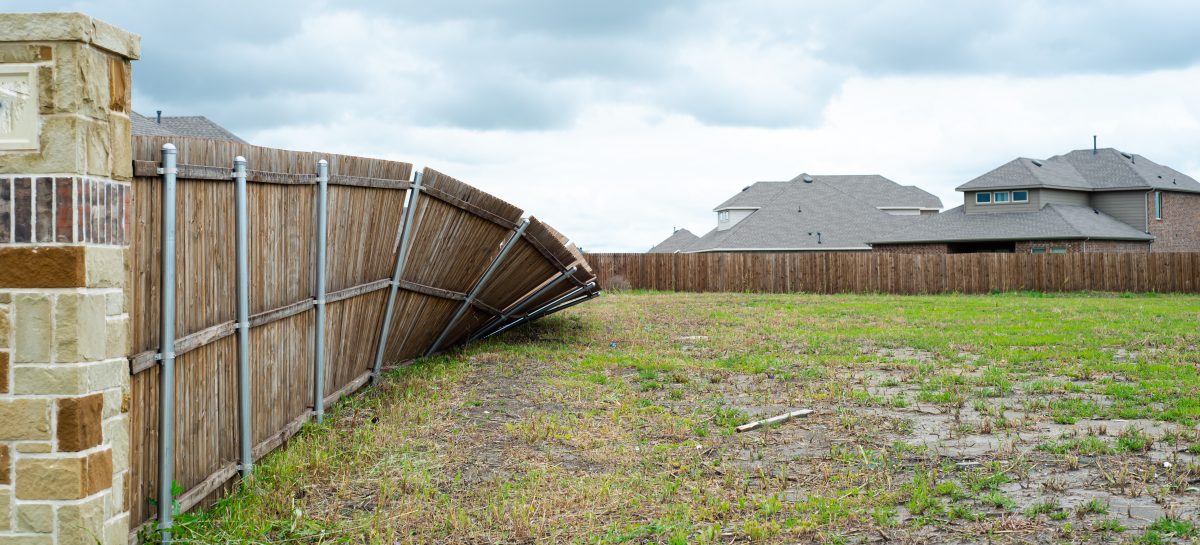
Something as simple as a fence or shed storing gardening supplies can also end up causing a headache. Leaning fences and rotting shed walls may appear to be cosmetic issues, but they almost always turn into a pest issue as well, says Bigach. “Rotted wood creates an easy entry point for rodents to crawl into a structure and nest undisturbed for months without anyone even knowing,” he explains.
He’s seen neighbors fight over a section of a fence that collapsed, as people are very concerned about what they see on a daily basis from their own yard. Prevent a stressful conflict with your neighbors by repairing any damaged structures on your property. “When rotten boards and leaning fence posts are replaced, however, pests are not given an opportunity to move in, and it is often not as expensive as people think when they receive a few quotes.”
5. Dead or Dying Trees and Overhanging Branches
Dead and overhanging tree branches are also a big no-no, says Carrigan. “Dead branches are essentially a ticking time bomb; when they fall, they can create massive damage to their surroundings.” This eyesore can hurt the overall curb appeal of the neighborhood, plus it can become a liability if a tree or branch falls on a shared fence or neighbor’s shed.
Prevent an issue by trimming your trees annually. “Early pruning of dead limbs or removal of a tree that is obviously dead will help to keep your roof and other buildings safe,” says Bigach. “It typically costs much less than waiting for the storm to make the decision for you.”