We may earn revenue from the products available on this page and participate in affiliate programs. Learn More ›
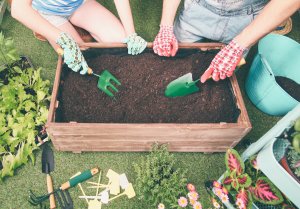
Growing your own fresh produce, vibrant flowers, and aromatic herbs isn’t always possible using traditional in-ground plots, whether due to restricted yard space or the physical strain of constantly bending down. Thankfully, raised garden beds offer an ideal alternative, allowing more people to cultivate a thriving garden practically anywhere, from a spacious backyard to a compact apartment balcony.
Once you design your garden bed and gather all the materials you need to get started, you might still run into problems along the way. As it turns out, achieving an abundant harvest with a raised garden bed isn’t as simple as just filling a wooden frame with soil and seeds. Even the highest-quality raised bed can fail to deliver if it isn’t properly cared for over time.
So, what does it take to build, plant, and maintain a thriving garden in a raised bed? We spoke to Mark Donofrio, owner, farmer, and crop design manager at The Starter Farm in Santa Ynez, California, who also spent years working for the agricultural company Tomatomania where he helped create educational programs teaching home gardeners how to successfully grow produce. He shared three of the most common raised garden bed mistakes once you build your bed that can ruin your home garden—and exactly how to avoid them to ensure your crops flourish.
1. Starting with Poor Soil
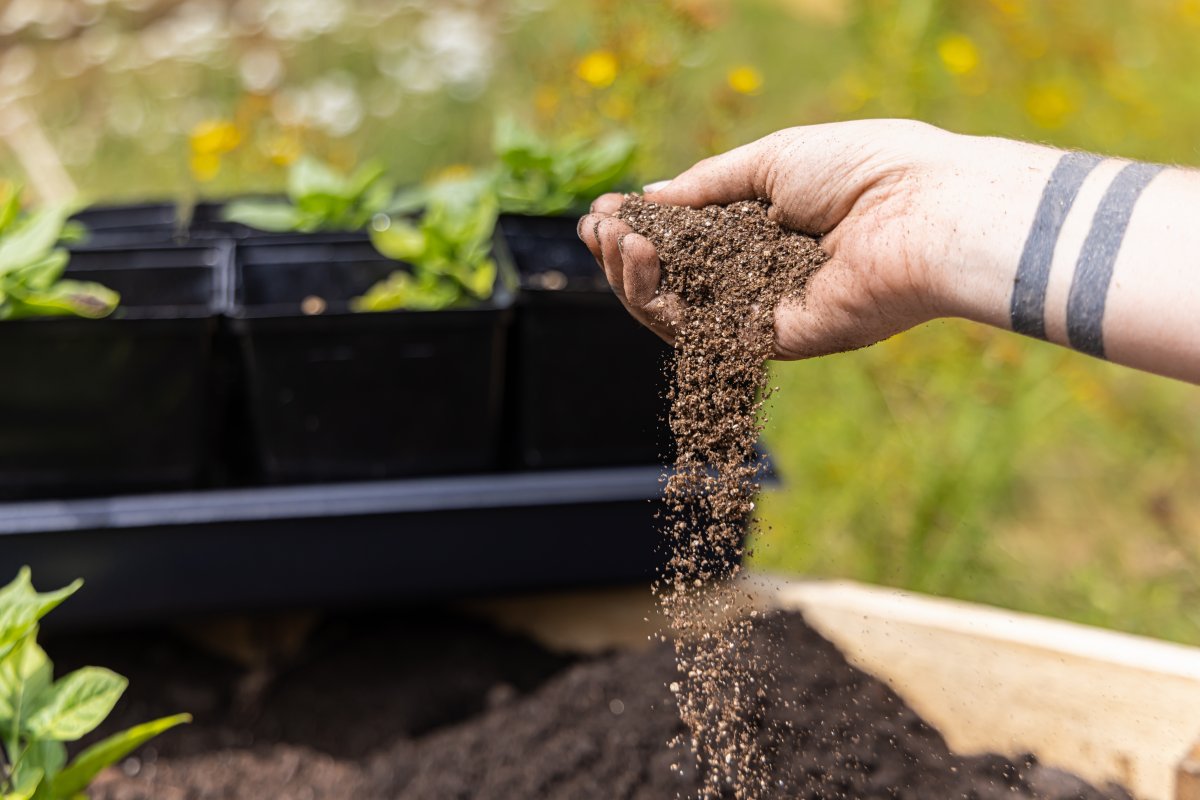
The right soil is key to garden bed success. “Think of your raised garden bed soil as the foundation of your house,” says Donofrio. “You want it to be strong to support good, healthy plants that are less susceptible to bugs and disease.” Before planting, make sure you start with enriched soil. He recommends filling the raised bed with a high-quality raised bed potting mix, ideally a combination of two parts topsoil to one part compost. “A common mistake is to just get the cheap stuff, but this is a worthy investment to begin your gardening journey,” says Donofrio.
Enhance the raised bed soil mixture by adding compost, which will introduce active microbes to begin enriching the soil. This will support plant growth and vegetable production, says Donofrio. “A trick that we use on The Starter Farm is to add a cup of worms to start working the bed immediately,” he explains. The worms will naturally produce compost to provide nutrients for a lifetime of gardening in your raised beds.
2. Not Rotating Crops
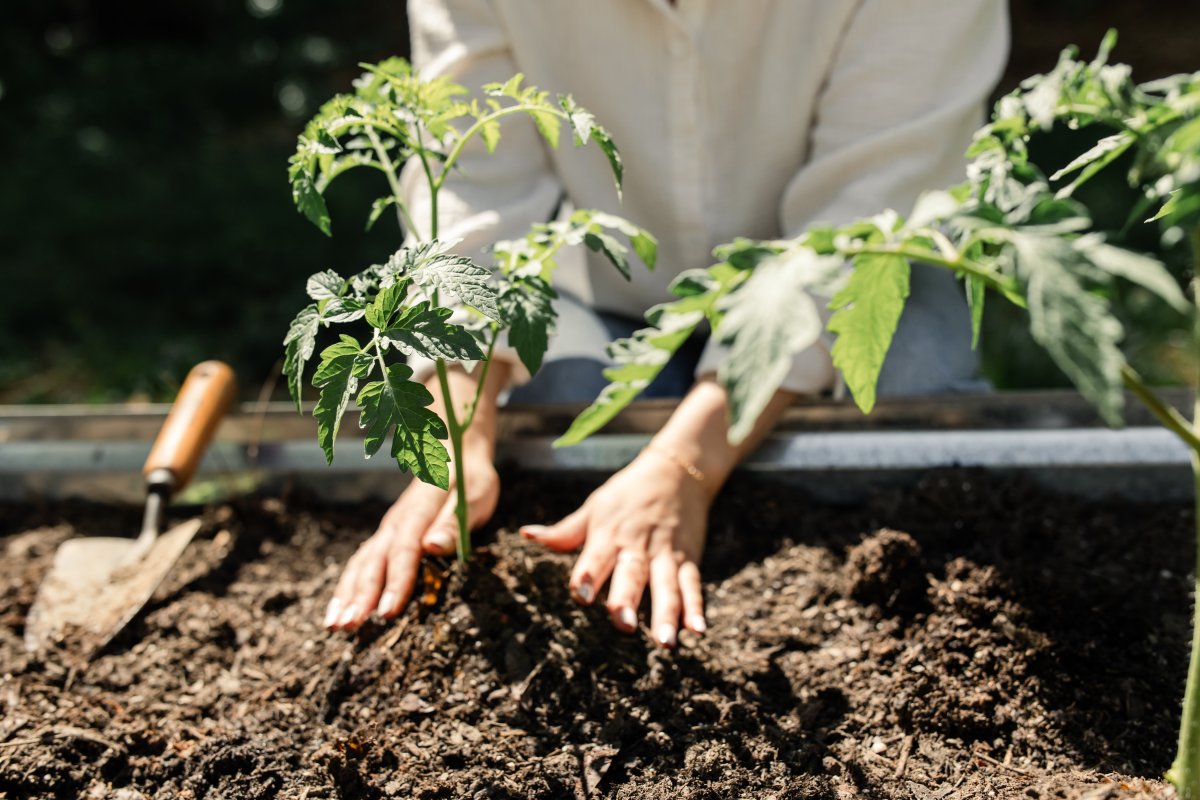
Just as farmers practice crop rotation to maintain the health of the soil, it’s important for home gardeners to do the same. “Certain fruits and vegetables, like the nightshade family (tomatoes, peppers, eggplant, and potatoes), pull lots of nutrients out of the soil, so it’s important to change their location from year to year to make sure the soil does not get depleted,” explains Donofrio. Another reason that farmers practice this method is that planting the same crops year after year in the same spot increases the chance of diseases occurring.
Apply these principles even to small raised garden beds by mentally dividing the bed into three zones and rotating placement of different groups of vegetables, says Donofrio. During year one, for example, the nightshade family goes into zone 1 and then moves to zone 2 the following year. Zone 1 then gets planted with other vegetables, like cucumbers or lettuces, to practice the rotation of crops. Donofrio offers an insider tip when rotating: “Always incorporate flowers into your vegetable beds since they attract beneficial predatory insects that help manage pests in your garden.”
3. Forgetting to Feed the Soil
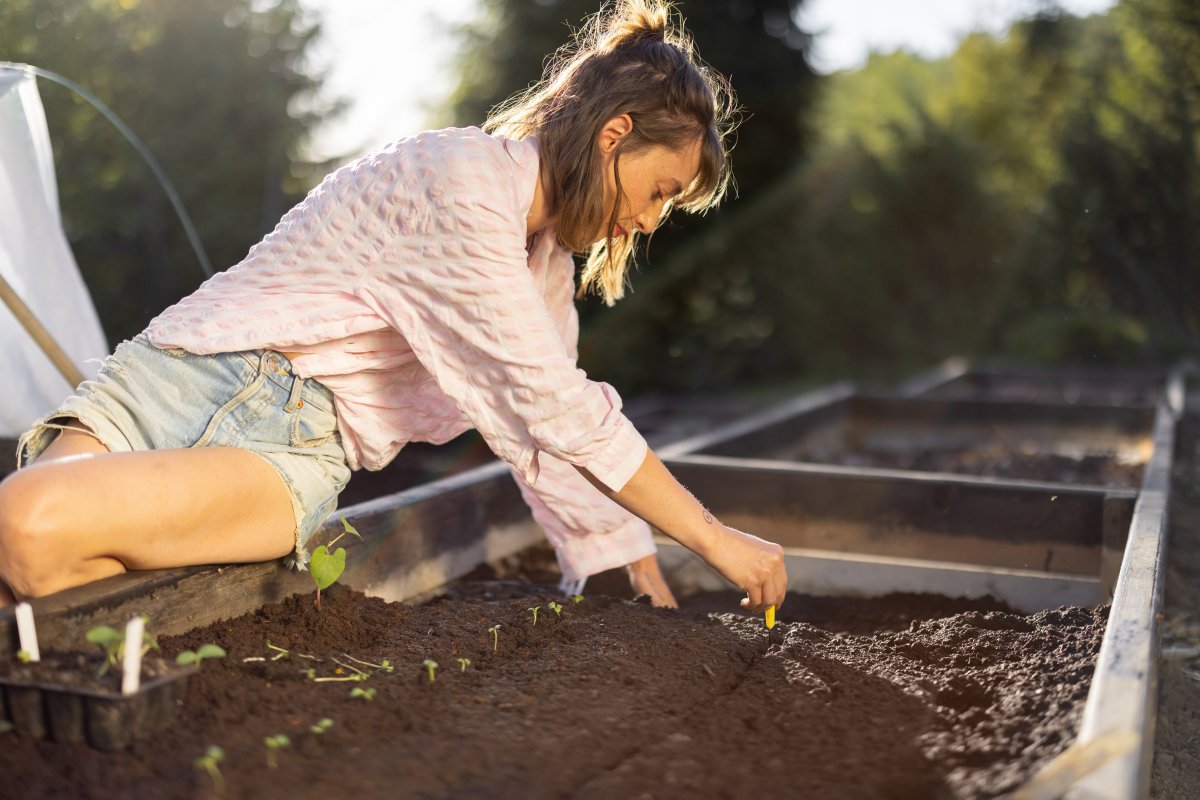
A common beginner gardener mistake is forgetting that soil needs to be fed and maintained to keep up the health and productivity of the garden bed, says Donofrio. “A good general rule of thumb is to feed your soil throughout the year,” he explains. “Of course, gardeners will add fertilizer during the growing season, but it’s important to add other elements as well, all year long,” he explains.
He recommends adding a layer of oak leaves and grass clippings in the fall to decompose, which introduces carbon and nitrogen to the soil. If you have vegetable table scraps, mix them into the first 2 inches of soil. Or you can take eggshells, grind them up, and sprinkle them into your garden beds. “This adds healthy calcium, which creates a stronger plant structure and may prevent blossom end rot in tomatoes.” You can also pour a fresh bag of compost annually into your bed to continuously boost healthy microbes in the raised garden.