
We may earn revenue from the products available on this page and participate in affiliate programs. Learn More ›
Home renovations that start with good intentions and careful planning can still grind to a frustrating halt, leaving homeowners with half-finished spaces and mounting costs. While they note that every project faces unique challenges, general contractors across the industry consistently point to a handful of factors that derail even the most well-intentioned remodels.
Understanding why renovations stall is the first step toward keeping your project on track. Whether you’re renovating an old home or updating a bathroom, learning from the experiences of seasoned professionals can help you anticipate obstacles. Here are five common reasons why a renovation gets delayed and tips for avoiding these snags.
1. Workflow Issues
Projects often pause when work begins before layouts and technical decisions have been confirmed, says Ivan Volovenko, a general contractor at Ivenko, Inc. in New York City. It’s critical to finalize the scope of work, design details, and selections before the first day of work. “Contractors need clear information early, including electrical outlet locations, kitchen cabinet layouts, appliance placements, and plumbing elevations,” notes Volovenko. If your renovation plan is incomplete and these decisions are still pending once construction reaches the rough electrical and plumbing stages, work might need to pause to avoid mistakes, wasted labor, and budget overruns.
2. Permit and Inspection Delays
Permit and inspection delays are often underestimated, as many people don’t realize that even straightforward projects often require multiple permits, especially in heavily regulated jurisdictions. Each of these permits has its own approval process that can take weeks or even months depending on the municipality’s backlog.
“Gaps in paperwork, missed inspections, or untimely notice to proceed can completely stop your project,” warns Cameron Figgins, president of Absolute Maintenance & Consulting in Los Angeles, California. “Even if you have scheduled an inspection and they decide to re-scope the visit, you could be looking at 5 business days without work.” Figgins recommends scheduling inspections as soon as your rough work is complete. “You don’t want to miss momentum by waiting too long to schedule.” Also, be sure to hire a contractor experienced in local permitting to ensure completed plans get submitted correctly.
“Rotted out studs, surprise load paths, and undocumented piping can add an extra 10 to 21 days to your schedule.”
Cameron Figgins, Absolute Maintenance & Consulting

3. Material Delays and Supply Chain Issues
It’s extremely frustrating when contractors are ready to get to work, but the materials are stuck on a boat. “A project can easily stall if materials with long lead times, such as custom cabinetry, tile, stone, or plumbing fixtures, are not selected and ordered during pre-construction,” says Volovenko. When crews reach a stage that depends on those materials, progress stops until they arrive. Make sure you hire experts familiar with the necessary lead times for ordering products from vendors. You’ll want materials ordered well in advance to ensure they are on-site or in storage before demolition begins.
4. Unforeseen Structural Problems
Detecting hidden conditions, such as mold or outdated wiring behind the walls, is another key reason projects experience downtime, says Figgins. “Unless discovered during the planning phase, uncovering unexpected conditions can add weeks to your schedule,” says Figgins. “Rotted out studs, surprise load paths, and undocumented piping can add an extra 10 to 21 days to your schedule.” This can happen anywhere, but is even more likely when renovating an older home. Figgins recommends scheduling time for diagnostic evaluation to anticipate potential issues and save weeks of delays down the road.
5. Mismanaged Funding
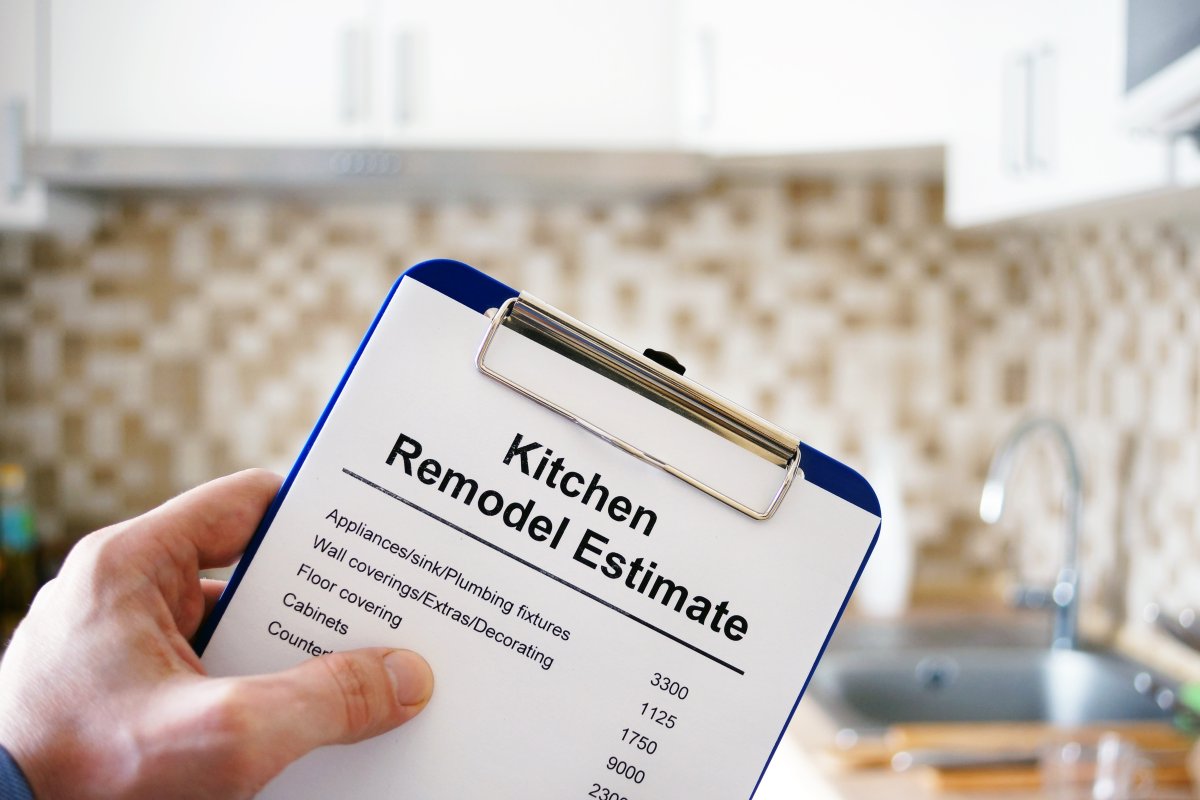
Projects can also stall when scheduled payments are delayed, says Volovenko. This might result from setting an unrealistic budget to begin with or facing unforeseen conditions like mentioned above. “Construction relies on steady cash flow to pay crews, subcontractors, and suppliers, so when payments are disrupted, work may slow or stop until finances are stabilized,” he explains.
“You wouldn’t believe how many projects I’ve seen come to a complete stop due to late funding,” recalls Figgins. “Everything from labor to material deliveries can be pushed back, not to mention low morale.” Figgins suggests sitting down with your contractor to decide on payment milestones ahead of time. “If you’re unsure of how long something will take, tie your payments to physical progress. That way, when your contractor expects to be paid, you’ll expect to see results.”