We may earn revenue from the products available on this page and participate in affiliate programs. Learn More ›
Vibrant, colorful blooms bring joy to any garden. Caring for a floral garden can be intimidating, especially if you’re a novice gardener. These easy-to-grow blooms offer loads of beauty and color, without all the pruning, coddling, and pest control you may not want to take on.
1. Cosmos (Cosmos spp.)
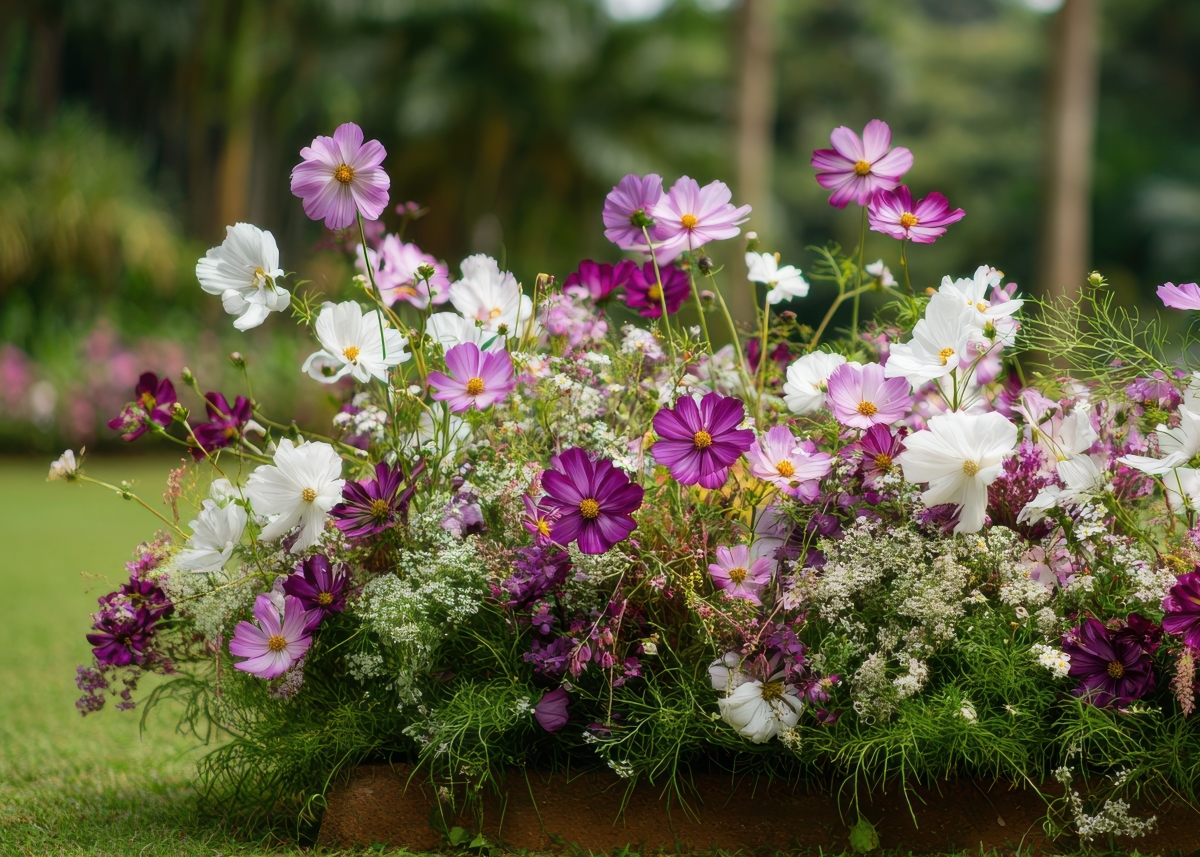
A dainty annual with a slender stem, cosmos stands up to heat, drought, and poor soil conditions. Gardeners don’t need to give cosmos much attention after sowing seeds. As long as you deadhead the blooms, avoid overwatering, and stake them if necessary, they’ll survive until frost hits the ground in autumn. What’s more, cosmos, which usually have rosy, white, or orange-colored petals, experience relatively few problems with pests, and also self-seed.
Hardiness Zones: 2–11
Buy Now: Packet of 600 seeds at Amazon for $6.99
2. Daffodils (Narcissus)
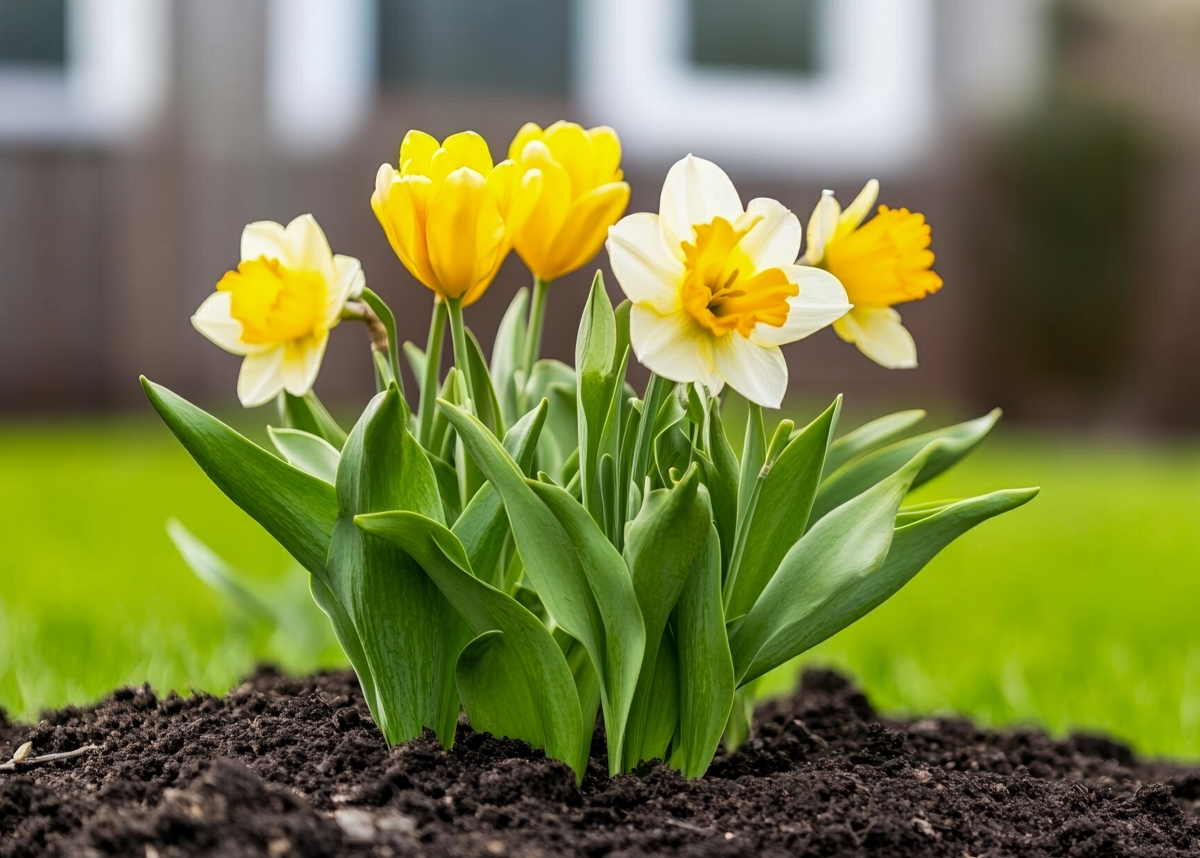
Characterized by their dramatic corona surrounded by six petals, cheerful yellow or white daffodils are surprisingly easy to grow. Gardeners plant daffodil bulbs in the fall and then ignore them until they bloom in late winter or early spring. Once they’ve bloomed, they still call for little maintenance. Simply supply full sun, slightly acidic, well-draining soil, and sufficient water. With the right conditions, long-living daffodils will come back year after year.
Hardiness Zones: 4–8
Buy Now: 50 bulbs at Amazon for $46.95
3. Yarrow (Achillea millefolium)
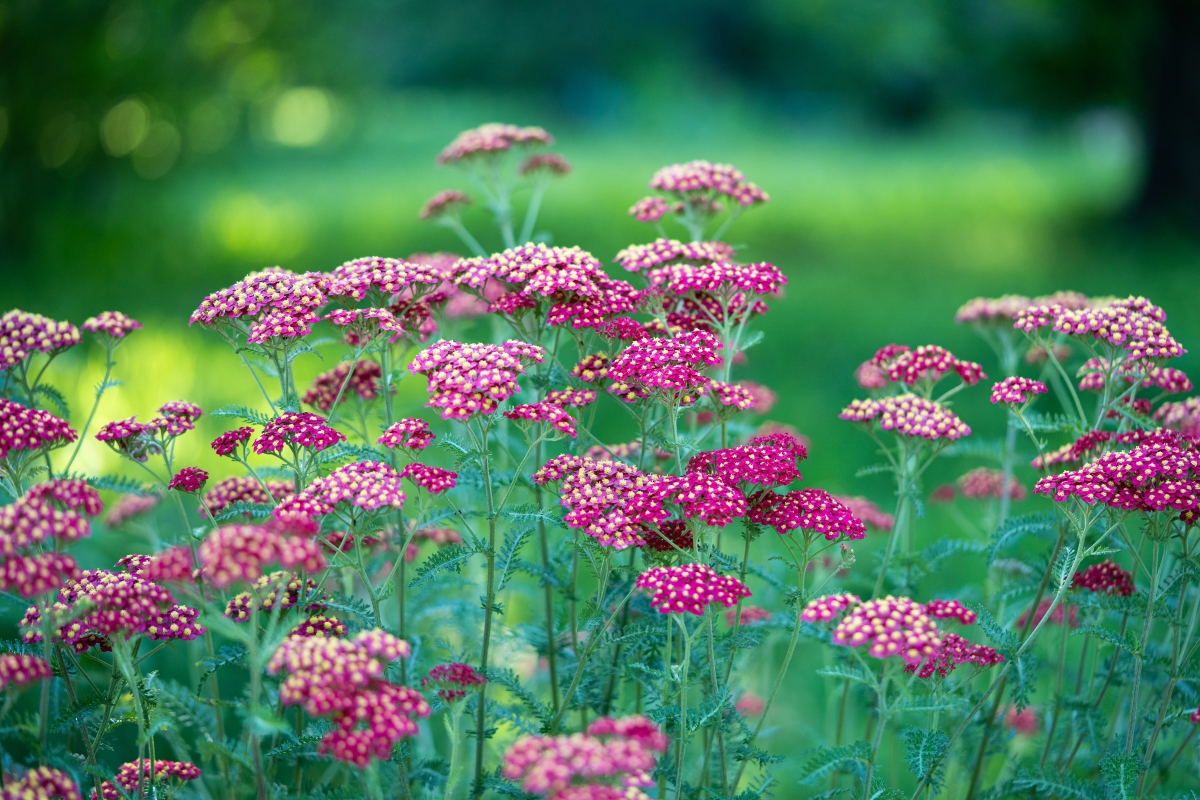
For a garden plot in a sunny yard, few plants are as low-maintenance as yarrow. The perennial is drought-tolerant, grows in almost any soil type, and needs little in the way of fertilizer. Yarrow, which comes in more than 80 varieties and in colors ranging from classic white or yellow to red, pink, orange, or pastels, will bloom repeatedly throughout the season, and all you need to do is deadhead spent flowers.
Hardiness Zones: 3–9
Buy Now: Packet of 7,000 seeds at Amazon for $6.99
4. Zinnia (Zinnia spp.)
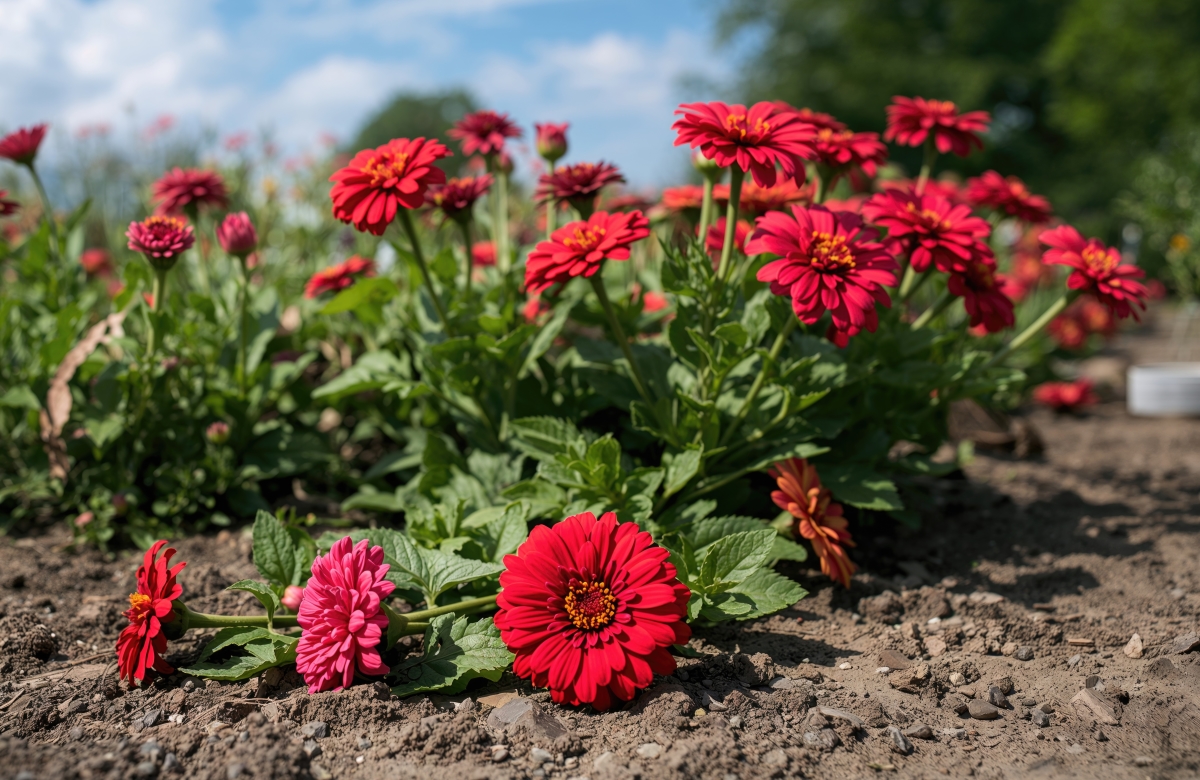
Fast-growing zinnia is a good choice for any gardener who gets a late start on planting annuals from seed. Zinnias lure pollinators to the garden from the moment they bloom until they disappear with the first frost. Although they’re susceptible to fungal diseases when they’re overwatered, they will likely survive being eaten by deer. The animals won’t go near the fragrant flowers.
Hardiness Zones: 2–11
Buy Now: Packet of 50 seeds at Burpee for $5.95
5. Aster (Symphyotrichum spp.)
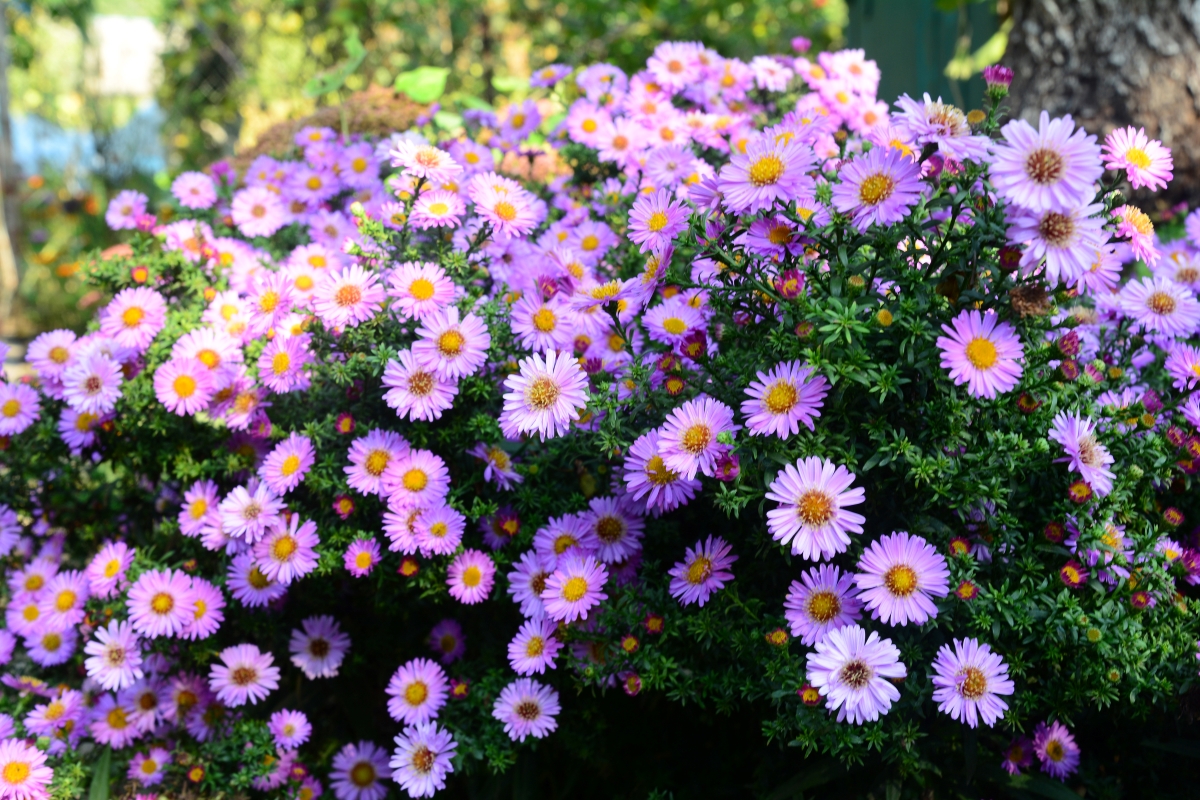
This self-sufficient perennial needs no gardener to keep it looking cheery. Its starry, petal-packed flowers reappear with little prodding year after year. Get ready for a palette of purples and pinks that bloom from late summer/early fall to the first frost: Not only will asters brighten the landscape long after most neighboring flowers have faded, but they also invite gold-winged monarch butterflies to flock to your garden for food.
Hardiness Zones: 3–8 (depending on species)
Buy Now: Packet of 850 seeds at Eden Brothers for $8.49
6. Red-Leaf Begonia (Begonia spp.)
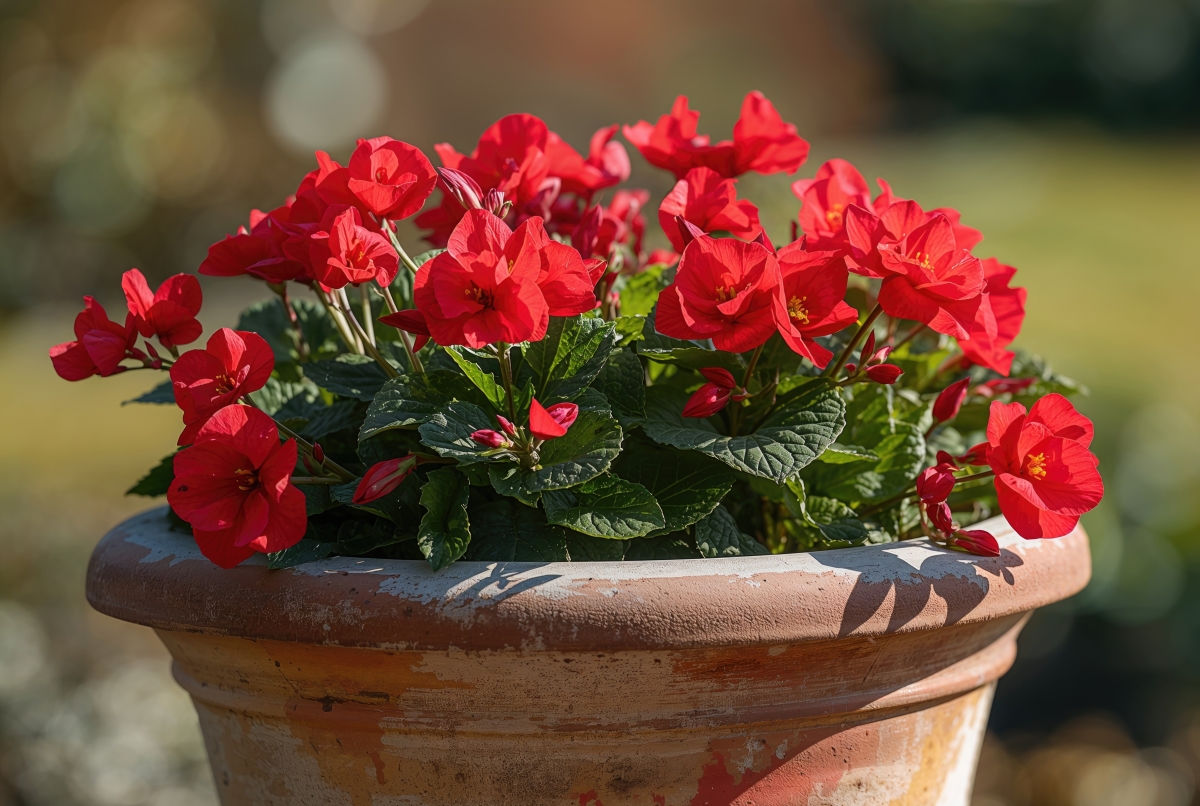
While most begonias thrive in shade, the red leaf variety can tolerate sunlight, too. Its waxy, beet-colored leaves and pink- or white-hued buds show up all summer long in both humid or arid conditions, making it the most amiable option for the average yard. Just putting down roots for your garden? Plant begonias in a bed or box on the north or east side of your home beneath a large tree or covered patio, since this location will create a happy compromise of filtered sunlight. Feed red-leaf begonia every other week for nonstop blooms in the summertime.
Hardiness Zones: 9–11 (perennial, depending on species)
Buy Now: Packet of 200 seeds at Etsy for $7.49
7. Marigold (Tagetes spp.)
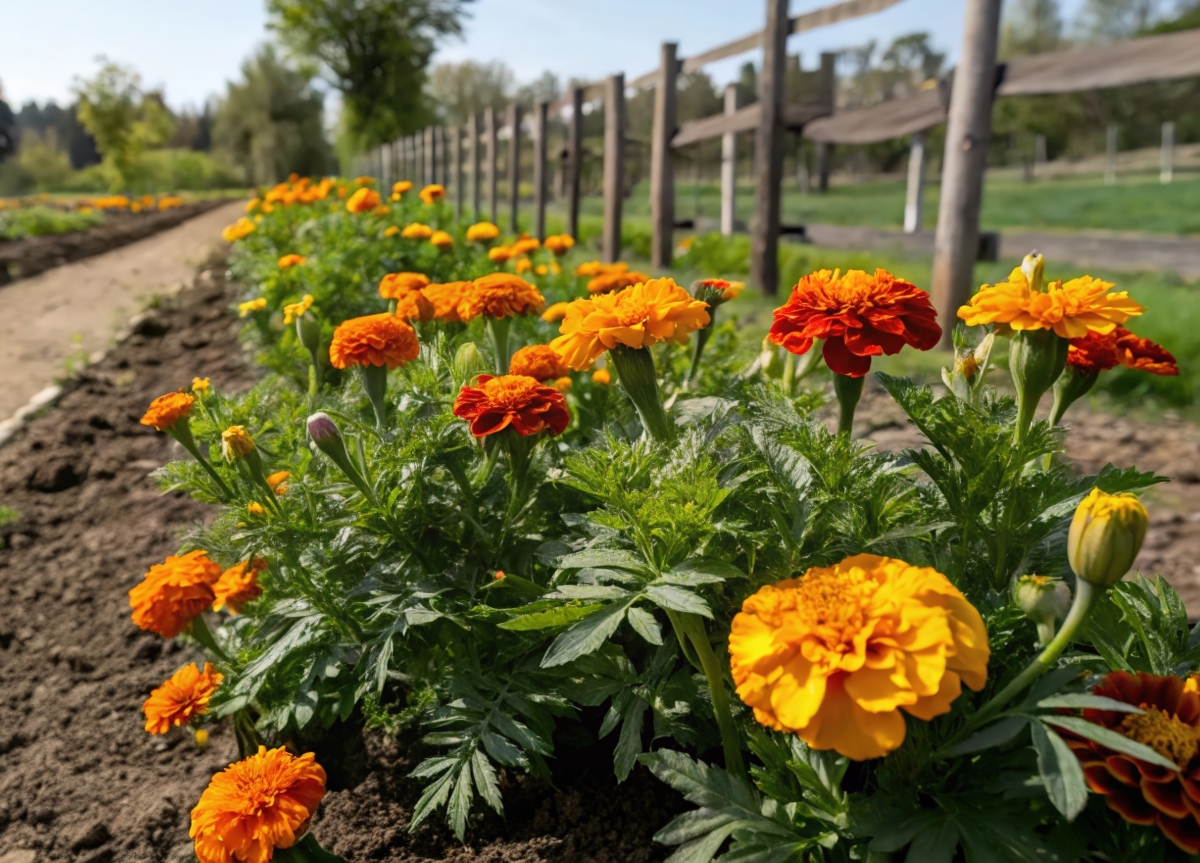
The easygoing marigold, which blooms in bold oranges and yellows, is a bright addition to the garden. Perhaps the best part about marigolds is their carefree nature. The flowers thrive under the sun, but they also don’t mind a bit of mid-afternoon shade. Marigold also isn’t finicky about soil types. What’s more, marigolds are beneficial to your garden: They release thiophenes into the soil from their root systems, killing nematodes that cause root-knot.
Hardiness Zones: 2–11
Buy Now: Packet of 1,000 seeds at Amazon for $7.49
8. Sunflower (Helianthus annuus)
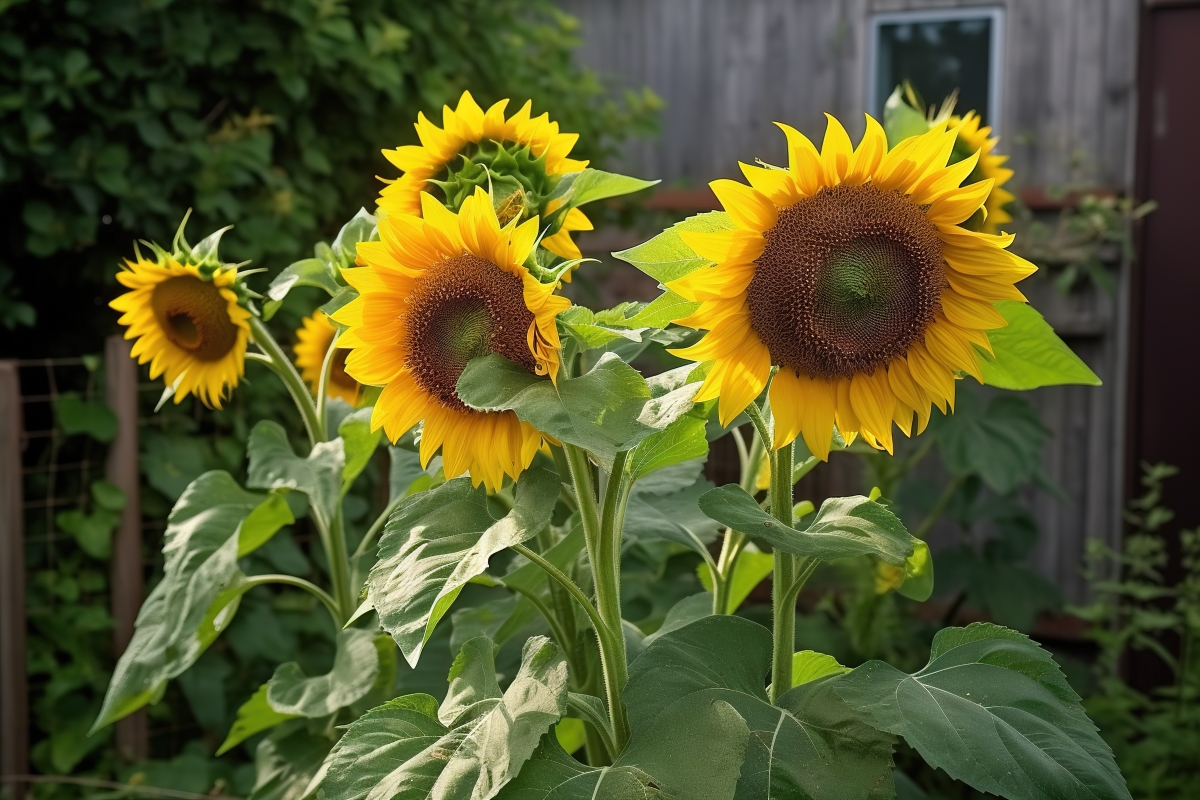
It goes without saying that the sunflower loves the sun. Each day, the golden flowers turn their large heads to face the sunlight. The exuberant sunflower is also surprisingly easy to grow. It isn’t particular about soil type, and while it prospers with plenty of water, it can tolerate periods of heat and drought. Sunflowers have coarse, tall stems that often reach several feet in height when exposed to at least 6 or 8 hours of full sun each day. Expect sunflowers to bloom from the middle of summer through the fall.
Hardiness Zones: 2–11
Buy Now: Packet of 1,000 seeds at Amazon for $14.99
9. Echinacea (Echinacea spp.)
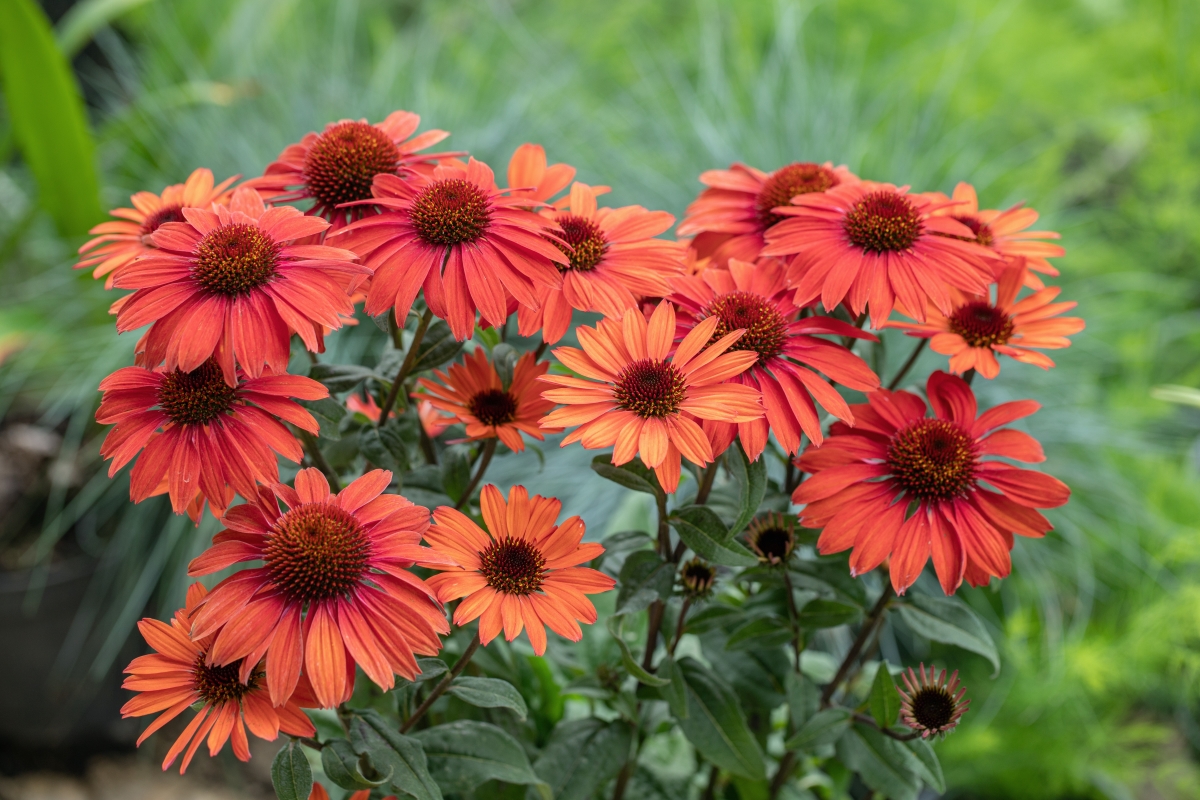
You may know echinacea or coneflower as an immune system–boosting herbal supplement but for veteran gardeners, it’s a tough yet lovely perennial that demands little in exchange for its eye-catching, daisy-like blooms. Native to the prairies and open woods of the Midwest, echinacea stands up well not only to cold snaps and destructive garden insects, but also to periods of extended drought. So if you forget to water for a couple of weeks during a dry summer, the cone-shaped, pink-petaled blooms continue to look as showstopping as ever. In fact, though echinacea blooms for much of the year—from early summer to the first frost of winter—it remains a beautiful border plant even once its flowers fall.
Hardiness Zones: 3–8
Buy Now: Packet of 300 seeds at Amazon for $4.94
10. Lavender (Lavandula spp.)
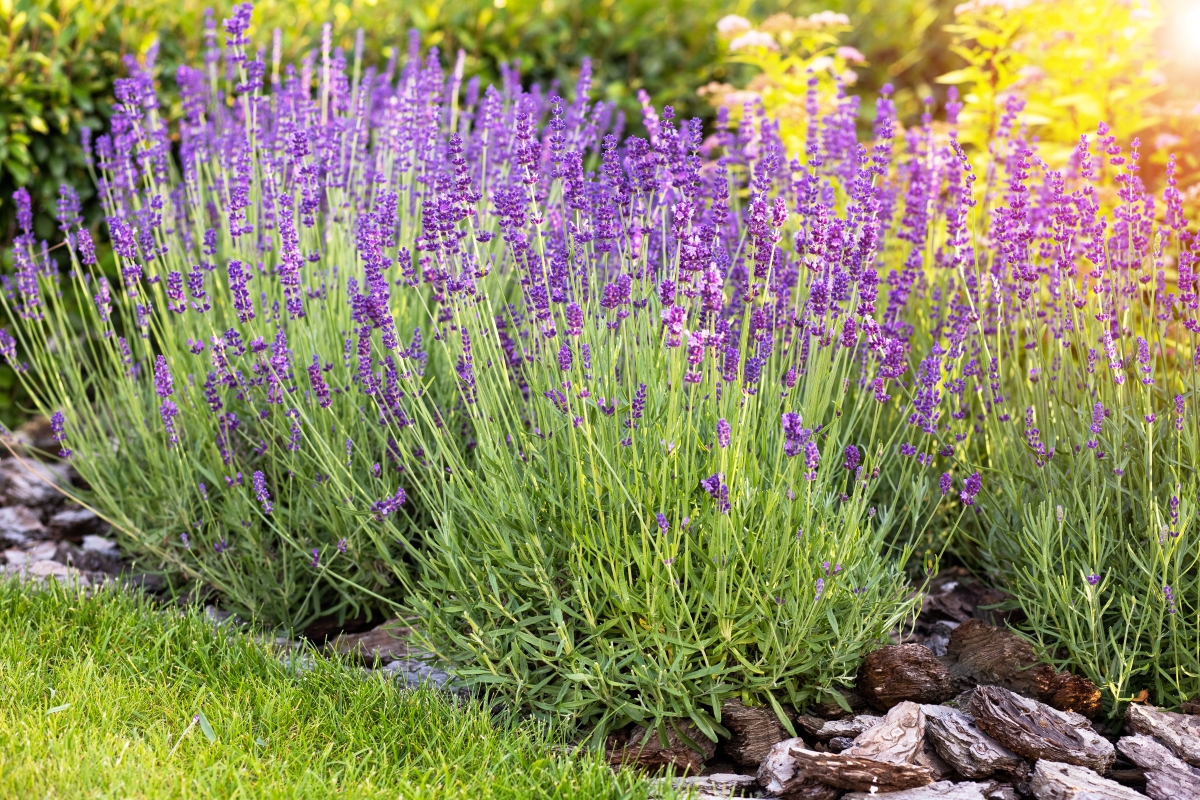
Beloved for its vibrant purple flowers and fresh, calming fragrance, lavender favors hot, dry conditions like those in the Mediterranean, lavender‘s native region. That being the case, for stateside gardeners, there are two simple keys to success: One, be sure to plant the perennial herb in a spot that receives at least 6 hours of direct sun daily. Two, don’t overwater it. Give lavender a long, thorough soak, but only when the soil feels almost dry to the touch (once a week or twice a month, weather depending). Experts also recommend pruning in the spring, soon after the first flowers, in order to encourage new growth and help the plant keep its trademark shape.
Hardiness Zones: 5-9
Buy Now: Packet of 7,000 seeds at Amazon for $11.99