We may earn revenue from the products available on this page and participate in affiliate programs. Learn More ›
As the days grow shorter and temperatures drop, plant parents face the challenge of keeping houseplants happy and healthy throughout the chilly winter months. You might start to notice yellowing leaves, drooping stems, or slowed growth, which are signs of stressed houseplants. This is common, especially for tropical plants, due to reduced natural light, dry air from heating systems, and fluctuating temperatures from drafty windows or vents.
“Winter might be a wonderland outside, but the indoor environment changes drastically for plants,” says Diane Blazek, executive director of the National Garden Bureau. “By understanding how light, water, and humidity needs shift during these months, anyone can keep their plants healthy and ready for a spring growth spurt.”
Fortunately, winter doesn’t have to ruin your houseplants. With a few simple adjustments to your plant care routine, you can help your plants stay vibrant and healthy no matter how cold it gets outside. Here are five reasons why houseplants might be stressed this winter and how to help them stay healthy until spring.
1. Diminished Light
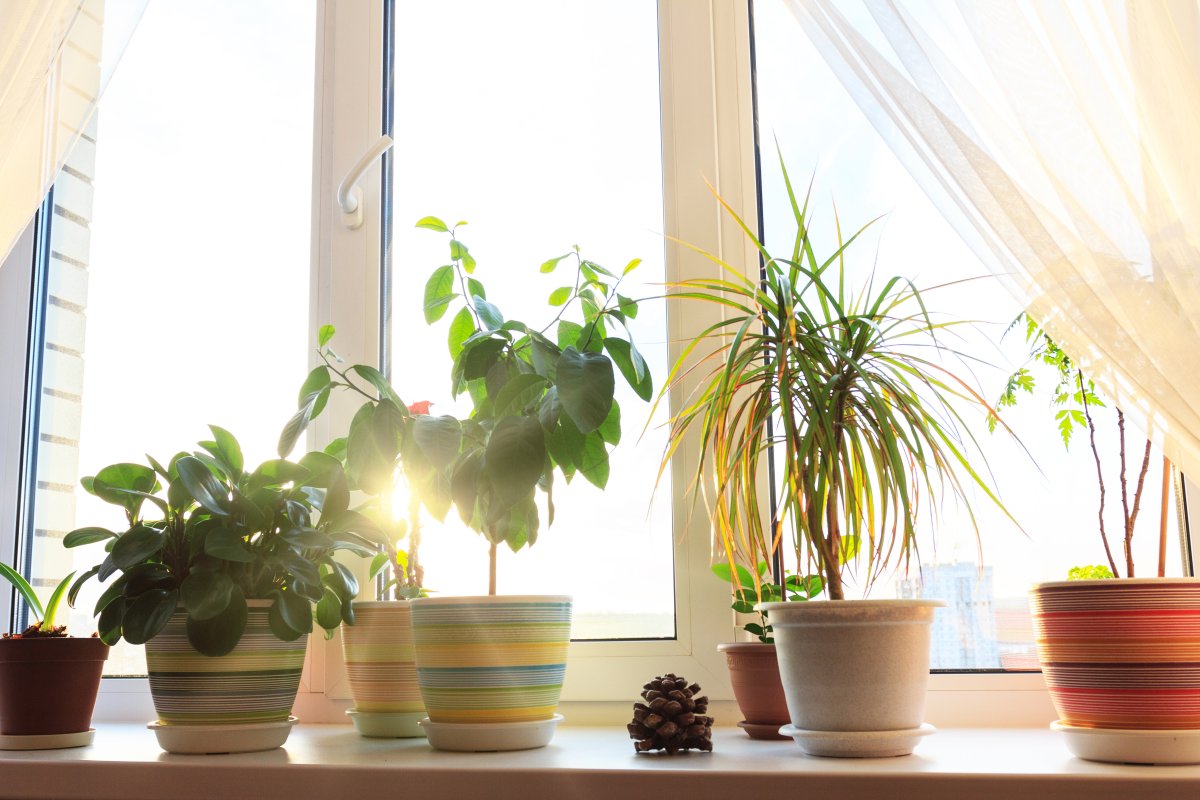
Winter days are shorter and darker, which means your plants get less of the sunshine they need to flourish. Most indoor plants need an average of 12 to 14 hours of sunlight each day, so diminished light can lead to stressed houseplants with symptoms like leaf yellowing, uneven or lanky growth, leaf drop, and loss of flowers.
To resolve this situation, move plants closer to the light if possible, and note how winter light paths change with the sun. Try placing plants in front of south- or west-facing windows. It’s also helpful to rotate houseplants regularly, giving them a quarter turn every week so all sides of the plant receive adequate light. If light is scarce, opt for artificial LED grow lights, which tend to be affordable and can make a real difference when natural light is limited.
Best Grow Light Plant Stand
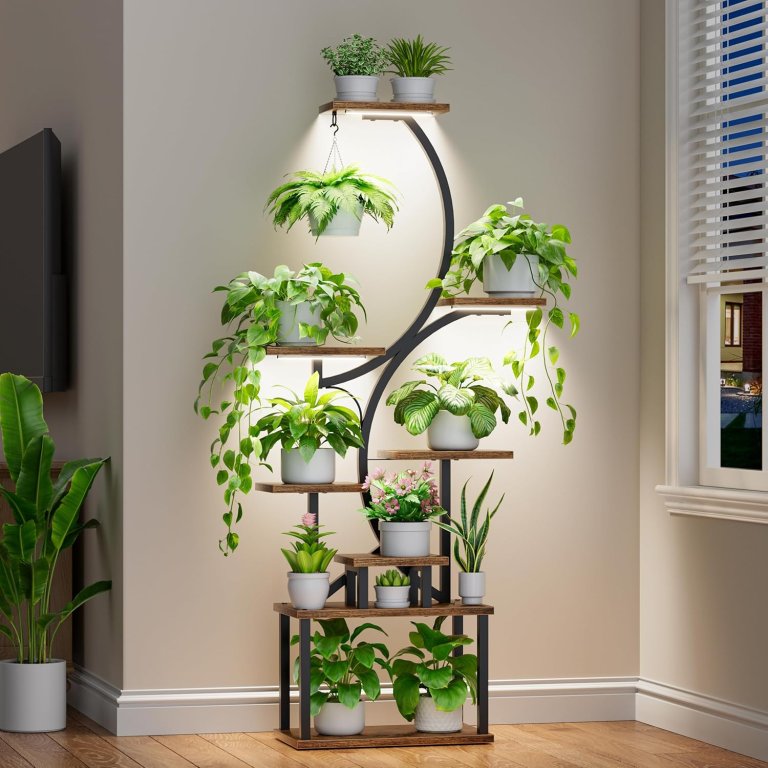
Bacekoll Plant Stand with Grow Lights
Our testers say: “Plants directly under the lights responded well, showing perkier leaves and steady growth despite the lack of natural sunlight.”
Buy Now2. Dusty Leaves
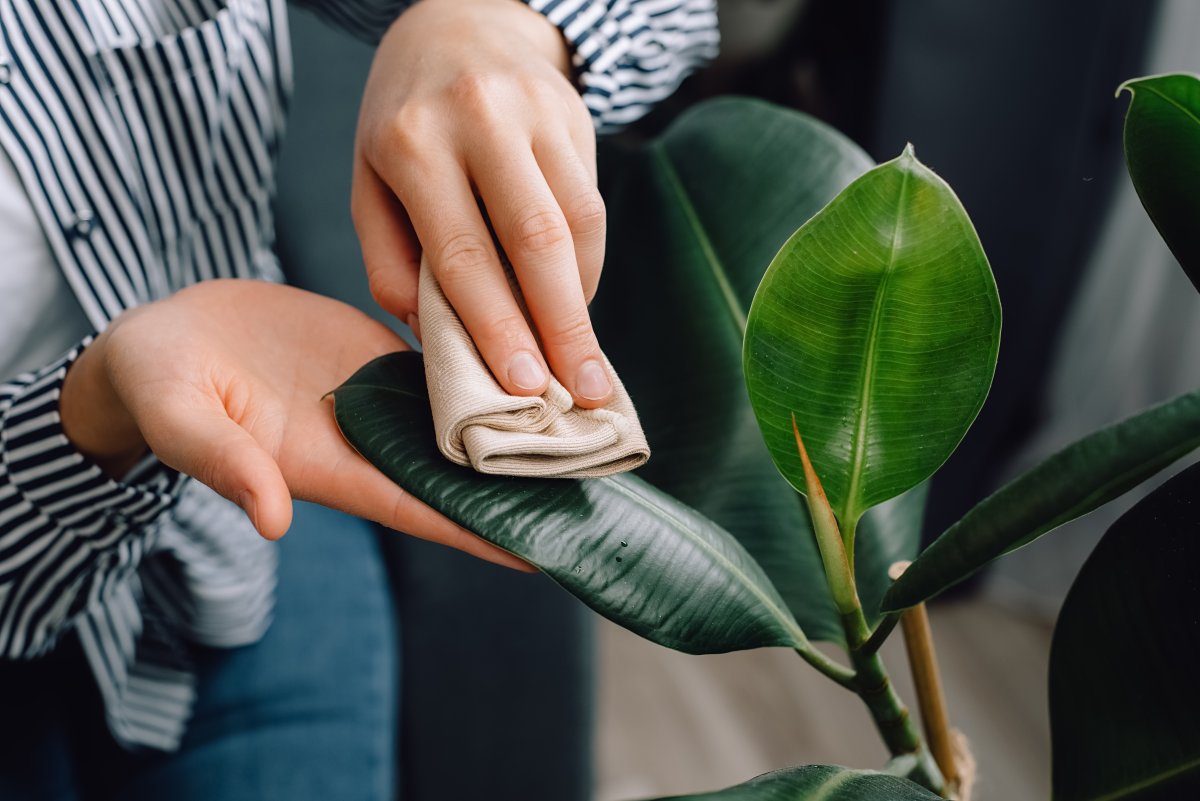
Another issue that is common indoors throughout the winter is dust building up on leaves, which can block light from reaching the plant. You’ll want to clean your houseplants’ leaves to ensure that photosynthesis can still take place so they can continue to create their own food and thrive. Plus, getting rid of dust reduces allergens in your home and ensures your plants look as attractive as possible.
Gently wipe leaves with a damp microfiber cloth or dust wand every couple of weeks. Be sure to sweep both the leaves and the stems. Use a small paintbrush to dust cacti and plants with tiny or fuzzy leaves that are sensitive to moisture. You can run smaller plants under some lukewarm water in the sink to freshen them up. Make sure the water pressure is not too strong, so as not to damage the plant.
3. Dry Indoor Air
Dry indoor air results from the heating system zapping humidity, causing brown crispy leaf tips on plants. Most indoor houseplants are tropical natives, and are used to humidity levels of about 40 to 50 percent, yet the humidity in a typical winter home can be as low as 20 percent.
To fix this problem, move plants out of the direct path of forced air. If that doesn’t work, boost humidity around your houseplants by grouping plants together to create a “micro-climate,” using a humidifier in the room, or placing plant pots on a shallow tray filled with pebbles and water. It’s also helpful to purchase a hygrometer to track indoor humidity surrounding your houseplants.
Best Evaporative Humidifier
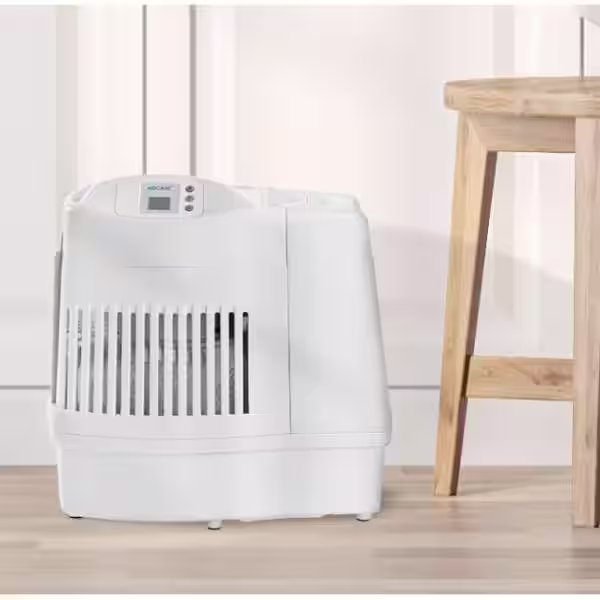
Aircare Mini-Console Evaporative Humidifier
With three fan settings plus a humidistat, you can choose between continuous operation at a certain speed or a set-it-and-forget-it system.
Buy Now4. Dormancy
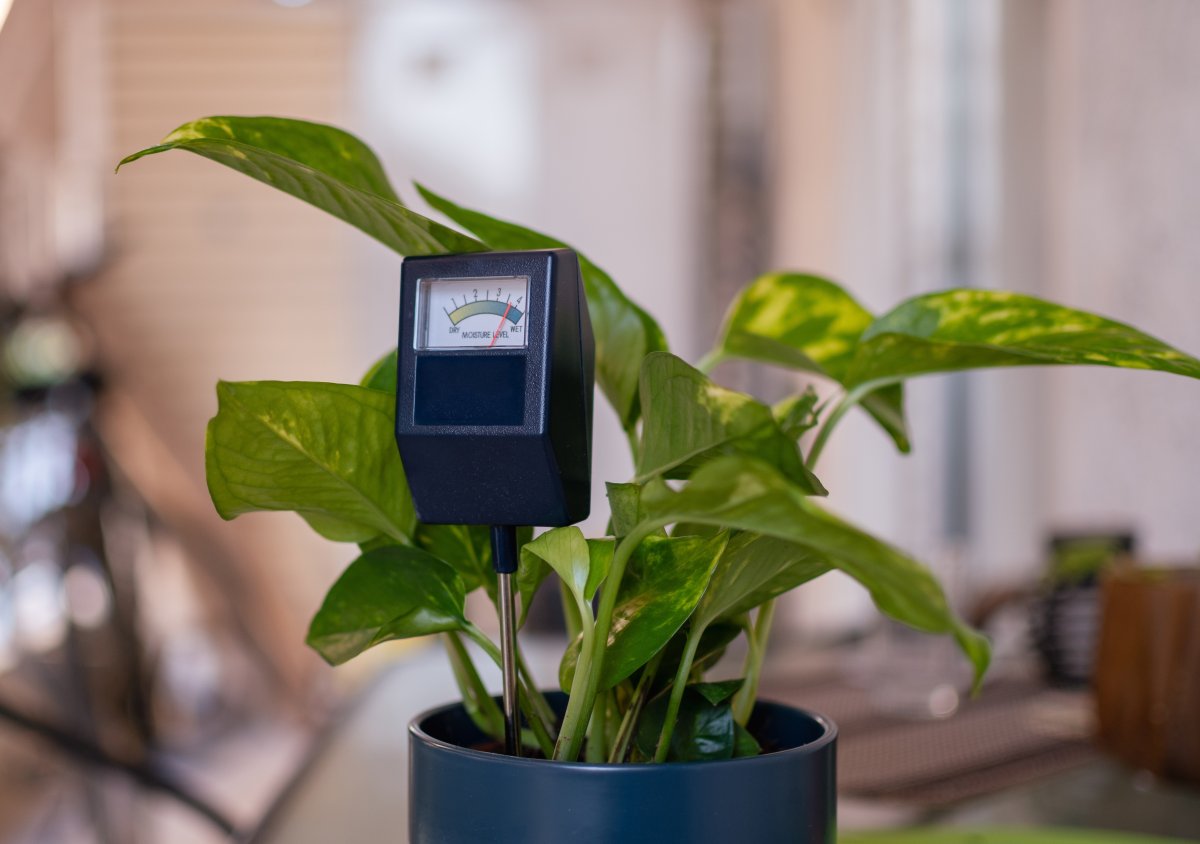
Most plants enter a dormant or slow-growth phase in winter, which means they require less water. You’ll want to adjust watering schedules with this in mind. Check the top inch of soil before watering your plants and make sure there is no root rot. You can do this by sticking your finger into the soil or using a soil moisture meter. If the meter reads dry, then you know it’s time to water your plant. Signs that the soil is too dry, such as yellowing or wilting leaves also can indicate the plant needs water. Use room-temperature water since cold water can shock roots.
5. Drafts
Plants do not like temperature extremes and can be affected by both hot and cold drafts. This is especially the case for tropical plants. Instead, most houseplants prefer a consistent temperature between 65 and 75 degrees Fahrenheit. Signs of temperature sensitivity and stress include yellowing and leaf drop.
Keep houseplants away from cold, drafty windows as well as hot radiators and other heating units, fireplaces, and air vents. While windowsills often provide the best source of light for plants, they can also be a problematic location in terms of regulating temperature, especially if the windows are old and poorly insulated.