We may earn revenue from the products available on this page and participate in affiliate programs. Learn More ›
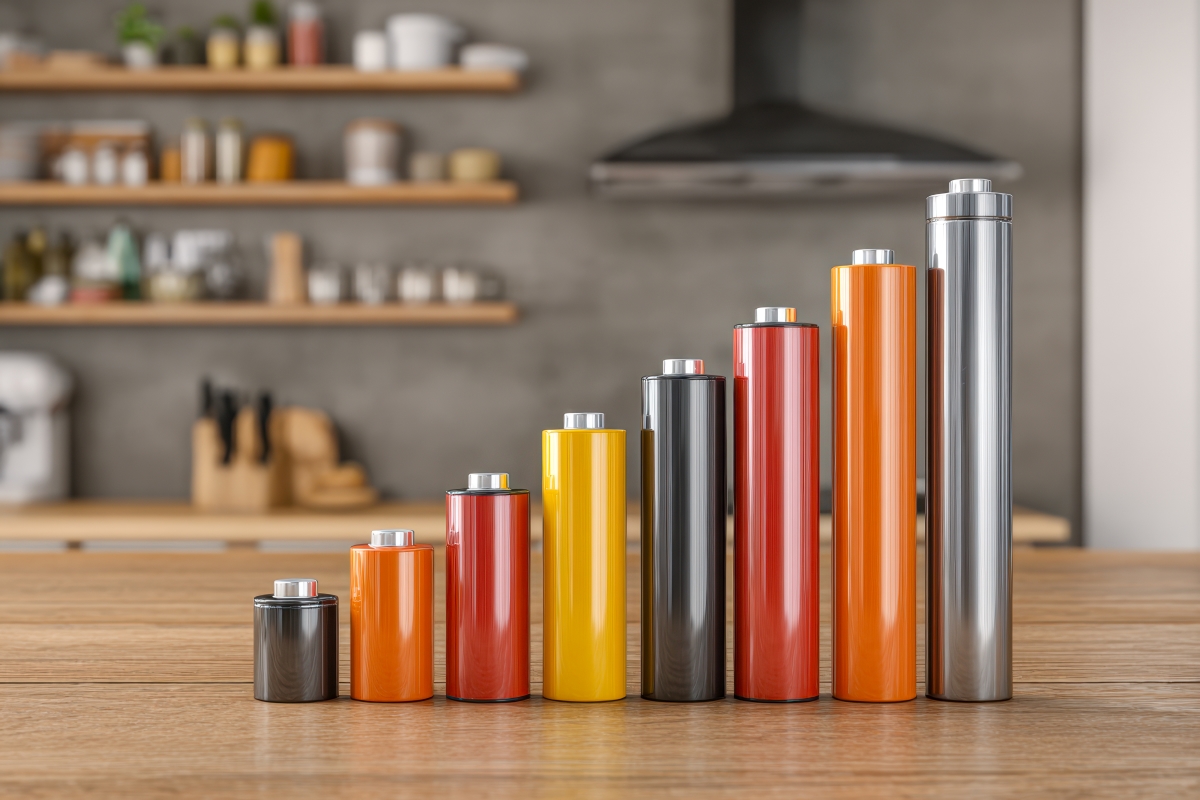
Different types of batteries we use to power our everyday devices vary significantly in size, lifespan, and proper disposal, with rechargeable lithium-ion offering high, long-term power and alkaline/lead-acid requiring specific, often specialized, recycling. Generally, a battery that is larger physically holds more energy (higher amp-hour or watt-hour rating). Small button cells power low-drain devices, while larger lead-acid or lithium-ion packs can power vehicles.
Choosing the right battery is critical to ensure optimal device performance, prevent damage, and maximize cost-efficiency and safety. The correct voltage and chemistry are required to prevent malfunctions and damage to electronic devices. Specifically, in vehicles and high-drain electronics, matching the battery types to the application is necessary for reliable, uninterrupted operation. Check out this guide on the different types of batteries to get a better understanding of what your devices need.
Primary Batteries
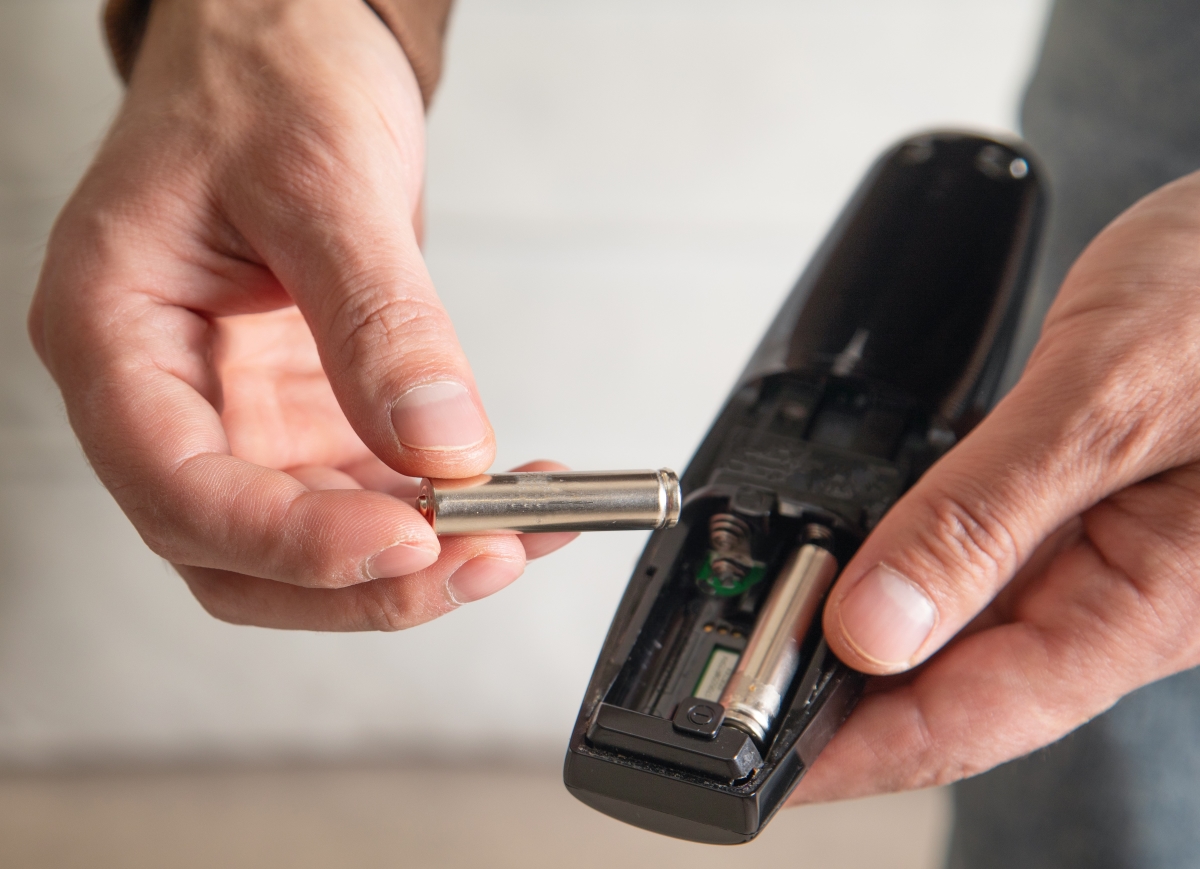
The primary category of batteries also can be called the disposable battery category because these kinds of batteries cannot be recharged. Instead, they generally offer a more affordable battery type that can be used in a variety of devices for an extended period of time. When the stored power within these types of batteries runs out, they need to be removed from the device and replaced with a new set of batteries.
The old, used batteries should be disposed of properly, following local guidelines and regulations. While many people throw their used batteries into the trash, this isn’t an acceptable way to dispose of batteries because they can leak harmful chemicals and heavy metals into the environment, which can then move into the soil, groundwater, or streams.
Alkaline
Alkaline batteries represent the expected standard for stored power and power output. They come in almost every standard size, like 9-volt (V), and from AAA to D. While they are more affordable than lithium batteries, alkaline batteries have only about half the shelf-life of a lithium battery and a portion of the energy density, making alkaline batteries an effective, but generally inferior, option.
Advantages: Long shelf life of 5 to 10 years, cost-effective pricing, widely available for purchase, plus safe and reliable.
Uses: Household devices like television remotes, electronic scales, and wireless peripheral devices for the computer, such as a keyboard or mouse.
Our recommendation: Get Energizer MAX alkaline 9V batteries at Amazon for $19.75..
This 8-pack of 9-volt batteries can maintain their stored power for up to 5 years, so users don’t need to use them immediately to enjoy the benefits of battery power.
Lithium
Alongside alkaline batteries, lithium batteries are one of the most commonly used types of disposable batteries. There are many types of lithium batteries, ranging in size and purpose. Typically, lithium batteries offer the highest level of energy density, allowing a AA lithium battery to store more energy than a AA alkaline or a AA carbon zinc battery. Due to this increase in power potential, lithium batteries usually cost more than either alkaline or carbon zinc batteries, but this extra cost is well worth it knowing that lithium batteries function well in both hot and cold temperatures.
Advantages: High energy density, long cycle life, low self-discharge, and a shelf life that can exceed 10 years.
Uses: Portable electronics, power tools, appliances, and even some electric vehicles.
Our recommendation: Get Energizer AA lithium batteries at Amazon for $38.64.
Install these batteries in a pair of walkie-talkies to keep in contact while climbing, hiking, fishing, or camping.
Carbon Zinc
When it comes to home electronics, several different battery types are common options. Carbon zinc batteries are known as a cheap substitute for alkaline and lithium batteries because they have a low energy density that is really only suitable for powering low-power devices like a clock or remote. They usually come in standard sizes, but carbon zinc batteries also are susceptible to hot and cold temperature extremes, so they are a poor choice for any outdoor device.
Advantages: Low cost, lightweight, widely available for purchase, ideal for low-drain electronics, and a shelf life of 2 to 3 years.
Uses: Low-power devices, portable low-drain devices, toys, novelties, and seasonal devices.
Our recommendation: Get Panasonic AA carbon zinc batteries at Amazon for $4.10.
Keep track of the time and stay on schedule with this 4-pack of AA carbon zinc batteries that are perfect for clocks.
Silver Oxide
Silver oxide batteries are made with real silver and have a high energy density, as well as a long operating life. However, silver oxide batteries are typically made for small electronic devices, so they aren’t available in AAA or AA sizes. Instead, silver oxide batteries are usually button cells that can provide almost two times the energy of an alkaline button cell battery.
Advantages: High energy density, stable voltage, long lifespan in low-drain devices of up to 5 years, and a wide temperature range for diverse operating conditions.
Uses: Timepieces, calculators, small electronics, key fobs, remote controls, and even some medical equipment.
Best for: Power watches, hearing aids, and other small electronic devices with compact silver oxide batteries.
Our recommendation: Get a 5-pack of Energizer 357/303 Silver Oxide Batteries at Amazon for $9.11.
The 5-pack of silver oxide Energizer batteries is ideal for home thermometers, wristwatches, key fobs, and even heart-rate monitors.
Zinc Air
The method used to generate power in zinc air batteries is to allow oxygen from the air to oxidize zinc in the battery, creating a high-density device that’s relatively inexpensive to produce. These batteries are commonly used in hearing aids and medical devices as a replacement for highly toxic mercury batteries.
Advantages: Stable discharge, low toxicity, easy to recycle, cost-effective, safe for use, and a shelf life of up to 4 years when sealed.
Uses: Used in hearing aids, wearable health monitors, continuous glucose monitors, and other medical equipment that requires reliable, low-power energy.
Best for: Zinc air batteries have a unique construction and function that make them perfect for use in hearing aids.
Our recommendation: Get Power One Zinc Air Hearing Aid Batteries at Amazon for $16.60.
Ensure better hearing and clear communication with this 60-pack of zinc air hearing aid batteries.
Rechargeable Batteries
Rechargeable batteries are a cost-effective solution that saves money in the long run and reduces the negative impact of batteries on the environment because they produce less waste compared to disposable batteries. However, even rechargeable batteries have a limit, so when these products stop working as expected, it’s important to follow local guidelines and regulations for battery disposal.
You can find standard size rechargeable batteries, like AA and AAA batteries, but the most commonly used rechargeable batteries are found in cell phones, tablets, and laptop computers. These devices are typically powered by one of the most popular types of rechargeable batteries known as lithium-ion batteries. Rechargeable batteries are also necessary for use with solar-powered products because without an internal battery, these devices cannot store the collected solar energy.
Lithium-ion
As one of the most popular types of rechargeable batteries, lithium-ion (Li-ion) batteries have a high energy density that allows the batteries to store a significant amount of power for hours of use. However, these batteries usually need a designated charger and can very rarely be used interchangeably with any other device. In the past, some airlines banned these batteries because they can overheat and cause fires. Current Federal Aviation Administration literature recommendations dictate that lithium-ion batteries be “kept accessible in carry-on baggage” within the temperature-controlled environment of the passenger cabin.
Advantages: High energy density, long lifespan of up to 5 years, low self-discharge rates, and with fast charging capabilities.
Uses: Smartphones, laptops, tablets, and other electronic devices.
Our recommendation: Get paleblue Li-ion 9 Volt Rechargeable Batteries at Amazon for $24.99.
Built for long-term use, these lithium-ion batteries have overcharge protection, over-discharge protection, and even short-circuit protection.
Nickel Cadmium
Nickel-cadmium batteries are usually shortened to simply NiCd batteries. When you power a flashlight with a NiCd battery, its light will remain constant until the battery dies, while an alkaline battery in the same flashlight will cause the light to dim when the battery power starts to run out. These rechargeable batteries charge quickly, but it is important to fully discharge the batteries before recharging to capacity, or the battery can diminish over time. NiCd batteries are frequently put to use in power tools that require a high amount of energy on demand.
Advantages: Durable, temperature resistant, capable of fast charging, deep discharge tolerance, and long cycle life ranging from 5 to 10 years.
Uses: High-drain electronics like kids’ toys, digital cameras, flashlights, and power tools.
Our recommendation: Get the Tenergy AA NiCD rechargeable batteries at Amazon for $10.49.
Suited for use in solar-powered garden lights, landscaping lights, and lawn lights, these AA rechargeable batteries also work in standard electronic devices like remotes or controllers.
Nickel-Metal Hydride
Nickel-metal hydride batteries(NiMH) have a high energy density that makes them great for cameras, flashlights, and other high-power devices. In fact, they even outperform NiCd batteries, though NiMH batteries have a reduced cycle life that limits the number of times you can recharge the battery. Overcharging these batteries can result in a diminished energy capacity, so make sure they aren’t left on the charger for too long and that you properly store your NiMH power tool batteries.
Advantages: High capacity, easier to recycle than NiCd batteries, cost-effective, low self-discharge, considered safer than NiCd batteries under physical or thermal stress.
Uses: High-drain consumer electronics, like digital cameras, flashlights, toys, portable gaming devices, cordless phones, power tools, and hybrid electric vehicles.
Our recommendation: Get Panasonic K-KJ17KHCA4A NiMH batteries at Amazon for $34.95.
Start using these precharged rechargeable batteries as soon as they are out of the pack, then quickly recharge them with the included Panasonic battery charger.
Automotive Lead Acid
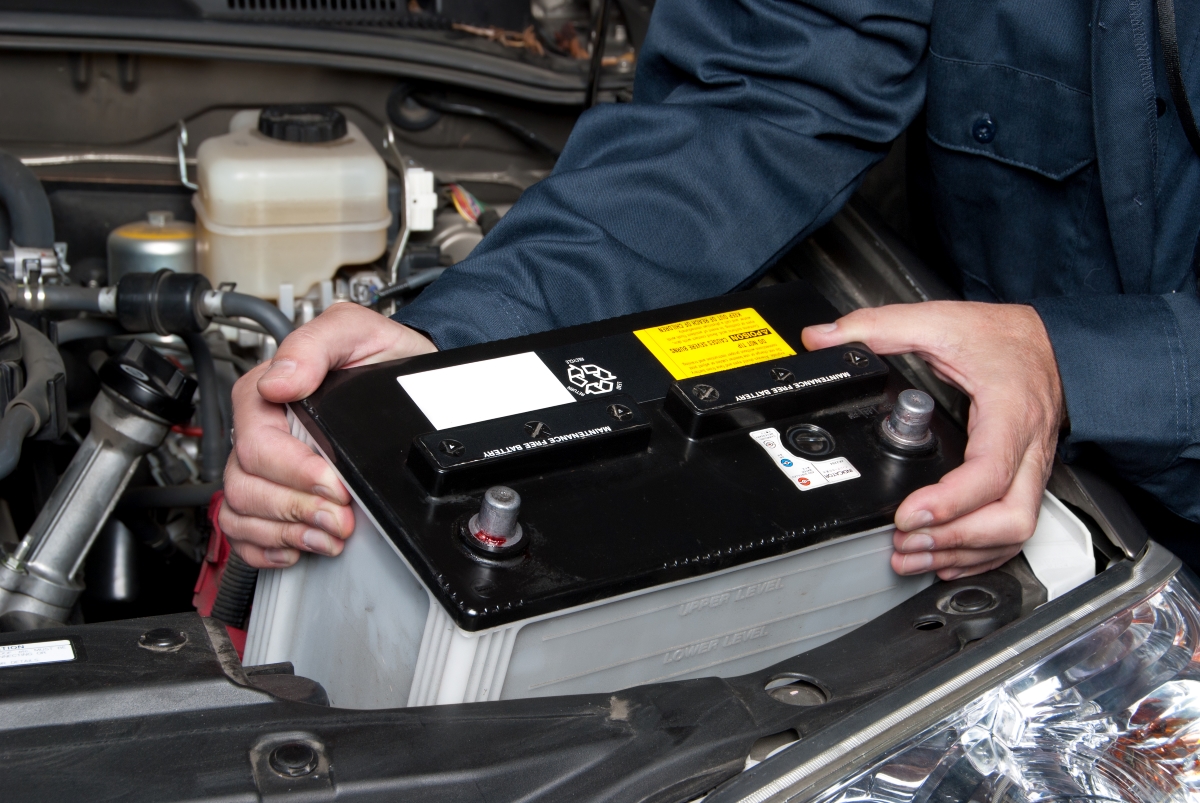
Distinct from the other rechargeable battery types, automotive lead acid batteries are intended for use with small to medium vehicles, like motorcycles, powered wheelchairs, scooters, boats, and all-terrain vehicles (ATVs). They are among the most common types of car batteries and do not need regular maintenance to last for up to 12 years before they need replacing. Still, the size, shape, and purpose of these batteries put them into a specialized category that is similar to, but distinct from, typical household batteries.
Advantages: Low cost, reliable power, widely available, highly robust, and relatively easy to recycle.
Uses: Starting, lighting, and ignition in cars, trucks, and motorcycles, as well as powering automotive electrical components and some electric vehicles.
Our recommendation: Get Interstate Batteries 12V sealed lead acid battery at Amazon for $174.95.
Get long-lasting, rechargeable power with this 12V lead acid battery that’s made for wheelchairs, scooters, ATVs, and more.
Common Household Battery Sizes

Batteries don’t just come in different types; they also come in different battery sizes. The letter designations give a simple overview of size, with larger batteries represented by letters that come later in the alphabet.
Battery sizes match the specific power (current) and capacity (runtime) needs of devices. Generally, the larger the physical size of the battery, the higher the energy capacity and power output, which is why larger batteries are only suitable for devices that can handle the specific power output.
AA
The most popular size of batteries for an extraordinary range of devices and applications, AA batteries have a small, cylindrical shape and an output of 1.5V. Many different types of batteries have a standard AA size, though some specialty battery types do not come in this size.
AAA
AAA batteries are the second most popular kind of battery for use in household devices. They have a similar cylindrical shape to AA batteries, but are smaller, making them a good choice for remote controls, calculators, thermometers, and small toys.
AAAA
There aren’t many devices that require AAAA batteries, but these small batteries are used in specialty items like laser pointers. They are smaller and less powerful than AAA batteries, and they are also harder to find, since the demand for them is low.
C
C batteries are a heavy-duty size of battery, despite having the same cylindrical shape as both AA and AAA products. They are larger than AA batteries and are frequently used in flashlights, portable radios, and other devices that require safe, reliable power.
D
Designed for devices that require power for an extended period of time, D batteries are larger than C batteries, and cylindrical in shape. Use D batteries to power wireless speakers, large flashlights, radio receivers, and transmitters.
9V
Rectangular 9V batteries are easy to recognize, though they aren’t as common as AA or AAA batteries. They are excellent for powering electronic devices that require a high voltage output, and they can also be used for more mundane devices like infrared thermometers, carbon monoxide detectors, electronic scales, and kids’ toys.
CR123A
CR123A batteries are a type of button battery primarily used for high-drain devices that require consistent power, such as tactical flashlights, home security systems, digital cameras, and smart home gadgets. They are valued for their 10-year shelf life, extreme temperature resistance, and high energy density.
CR2032
CR2032 batteries are button batteries primarily used for low-power, compact electronics needing long-lasting, stable power. Common applications include car key fobs, digital watches, fitness trackers, medical devices (glucose monitors, thermometers), LED lights, and calculators.
23A
23A batteries are primarily used for small, low-drain electronic devices that require a high voltage, such as garage door openers, car alarm remotes, wireless doorbells, and keyless entry systems. These compact alkaline batteries are also used in remote controls for ceiling fans, security cameras, and certain small toys or lighters.
The Right Way to Dispose of Batteries
It’s essential to properly store and dispose of batteries when their useful life ends. A battery might have just enough energy remaining to start a fire, so they should not go in household garbage. Proper disposal depends on the battery type and chemistry, so check manufacturer instructions as well.
| Battery Type | Disposal |
| Alkaline, Carbon Zinc | Throw in household trash collection or take them to a dedicated recycling center. |
| Lithium, Silver Oxide, Lithium-Ion, NiMH | Take to a specialized recycling center or local household hazardous waste facility. |
| Zinc Air, NiCd | Take to a specialized recycling center or recycle through a specialized mail-in program. |
| Automotive Lead Acid | Return to an automotive retailer when purchasing a new battery, or take to a municipal hazardous waste facility. |
FAQ
Q. What are the most common types of batteries?
The most common types of batteries in use today are lithium-ion, alkaline, and nickel-metal hydride (NiMH).
Q .What type of battery lasts the longest?
A common battery comparison is the lifespan of a battery, since most people don’t want to change out batteries frequently. On average, disposable lithium batteries last the longest at about 10 to 12 years, while rechargeable lithium-ion batteries tend to last longer than other rechargeable batteries due to their high cycle life and long shelf life.
Q. How do you properly dispose of batteries?
Generally, if you want to properly dispose of your batteries, whether they are damaged or in good condition, you should take them to a specialized recycling center or to a hazardous waste facility. Some types of batteries may also be able to be dropped off at designated retail locations. Just make sure that if a battery has been allowed to corrode over time, that you clean the battery corrosion out of the device before attempting to use it again.
Q. Which types of batteries should I keep on hand for emergencies?
For emergency kits, you should prioritize lithium batteries in sizes AA, AAA, and CR123A, since these are the most commonly used. It’s also worthwhile to keep a few C, D, and 9V batteries on hand for larger items, like lanterns.