We may earn revenue from the products available on this page and participate in affiliate programs. Learn More ›
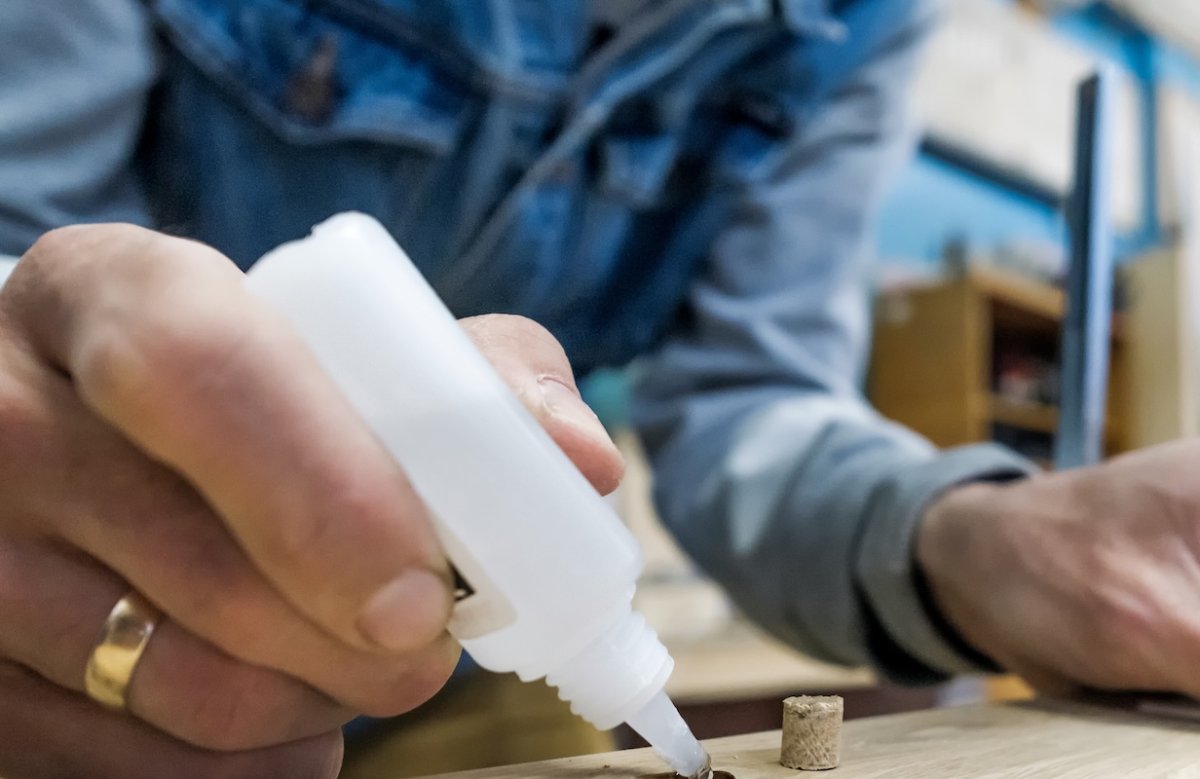
Have you ever reached for a bottle of glue that’s been sitting on a shelf for ages only to discover it has hardened into a rubbery or solid mess? Before tossing it in the trash, there are a few tricks that may help soften certain types of glue enough for light-duty use.
Not every adhesive can be revived, however, and even those that can may not regain their original bond strength. While super glue, epoxy, and contact cement usually can’t be restored once cured, some types of adhesive may respond to heat, water, or solvents. Here’s what to try before replacing the bottle.
Does glue expire?
For most types of glue, the answer is that yes, it will eventually expire. Glue doesn’t last forever. Over time, exposure to air, heat, and moisture can cause adhesives to thicken, harden, or lose bonding strength. Over time, the components of the solution may degrade and start to harden. Air can also enter the bottle through a cap that isn’t fully closed and sealed, speeding up the hardening process.
Because there are several types of glue and factors such as storage and humidity levels can impact shelf life, there is no one set expiration date. Here are some general guidelines for how long you can expect different types of glue to last before they dry out:
- Elmer’s glue: Around 2 years
- Loctite super glue: 12 months from date of manufacture (unopened)
- Wood glue: Up to 3 years
- Craft glue (Aleene’s): Up to 10 years if capped tightly
- Epoxy adhesive: Up to 2 years
Best Glue for Metal

J-B Weld KwikWeld 10-Ounce Professional Epoxy Glue
J-B Weld KwikWeld cures in 4 to 6 hours, and holds about 20 pounds of weight. Read the review.
See ItHow to Revive Dried Glue
Some water-based glues can sometimes be softened enough for temporary or light-duty use, though the adhesive may not perform as well as a fresh bottle. The methods below work best for specific glue types, so always check the manufacturer’s recommendations before attempting to revive hardened adhesive.
1. Soften white glue or craft glue in hot water.
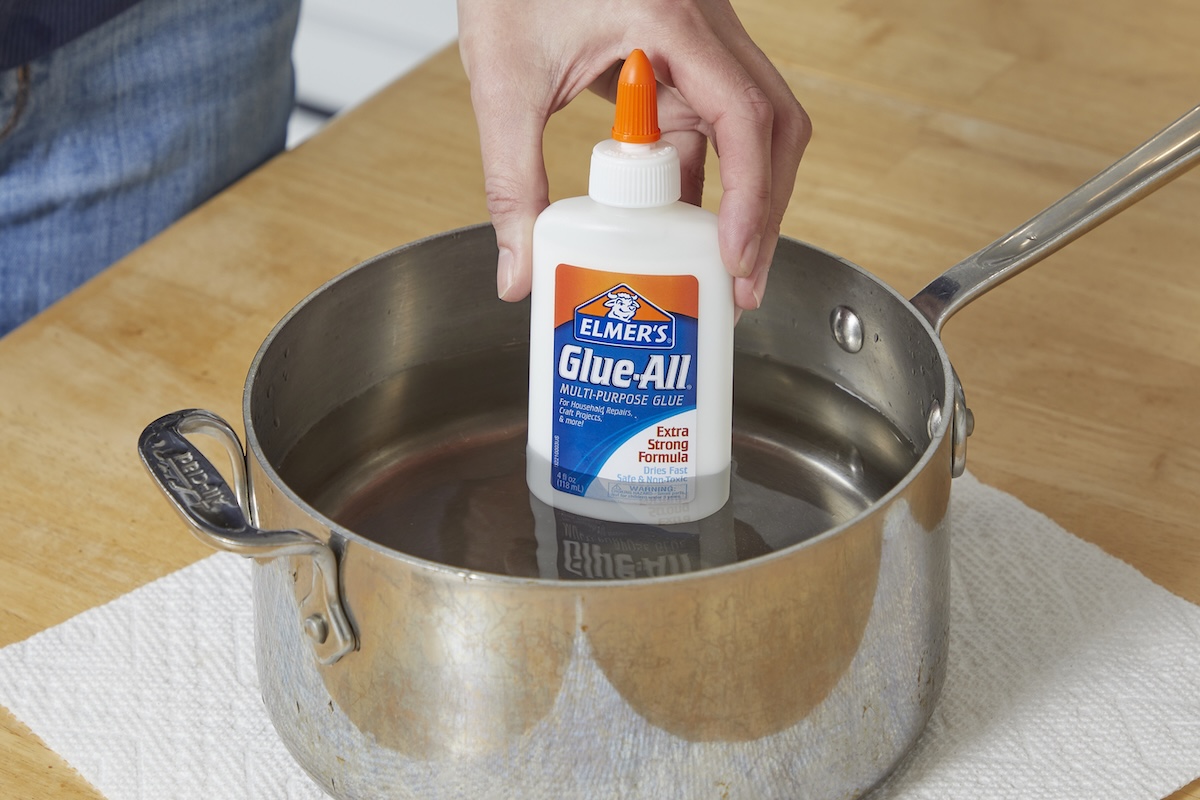
If white school glue or craft glue has thickened over time, soaking the bottle in hot water may help soften it enough for temporary use. Fill a bowl or pot with hot (not boiling) water, then place the sealed glue bottle inside for about 10 to 15 minutes. The heat can help loosen glue that has become thick or rubbery from age or air exposure.
After removing the bottle, shake or press it gently and check the consistency before use. If needed, repeat the process one more time. This method works best for water-based PVA glues, like white school glue or some craft adhesives, but it will not restore fully cured glue to its original strength.
2. Try paint thinner, but only in certain solvent-based adhesives.
In some cases, a small amount of paint thinner may soften thickened solvent-based adhesives (like rubber cement or model cement), but this method is highly formulation-dependent and should be approached with caution. Paint thinner can permanently alter the adhesive’s performance, making it less effective or completely unusable for future projects.
If you decide to try this method, add only a drop or two at a time and stir slowly before checking the consistency. Avoid using paint thinner on water-based glues such as white glue, school glue, or wood glue, as it can ruin the adhesive rather than restore it.
Because paint thinner produces strong fumes and is flammable, always work in a well-ventilated area away from heat or open flames. Wear gloves and eye protection, and check the adhesive manufacturer’s recommendations before attempting to thin the product with any solvent.
The Best Glue for MDF Projects

Titebond Instant Bond Wood Adhesive
Titebond Instant Bond fully cures in 8 hours; its thick formula works well on MDF and porous woods. Read the full review.
See It3. Use acetone to soften some solvent-based adhesives.
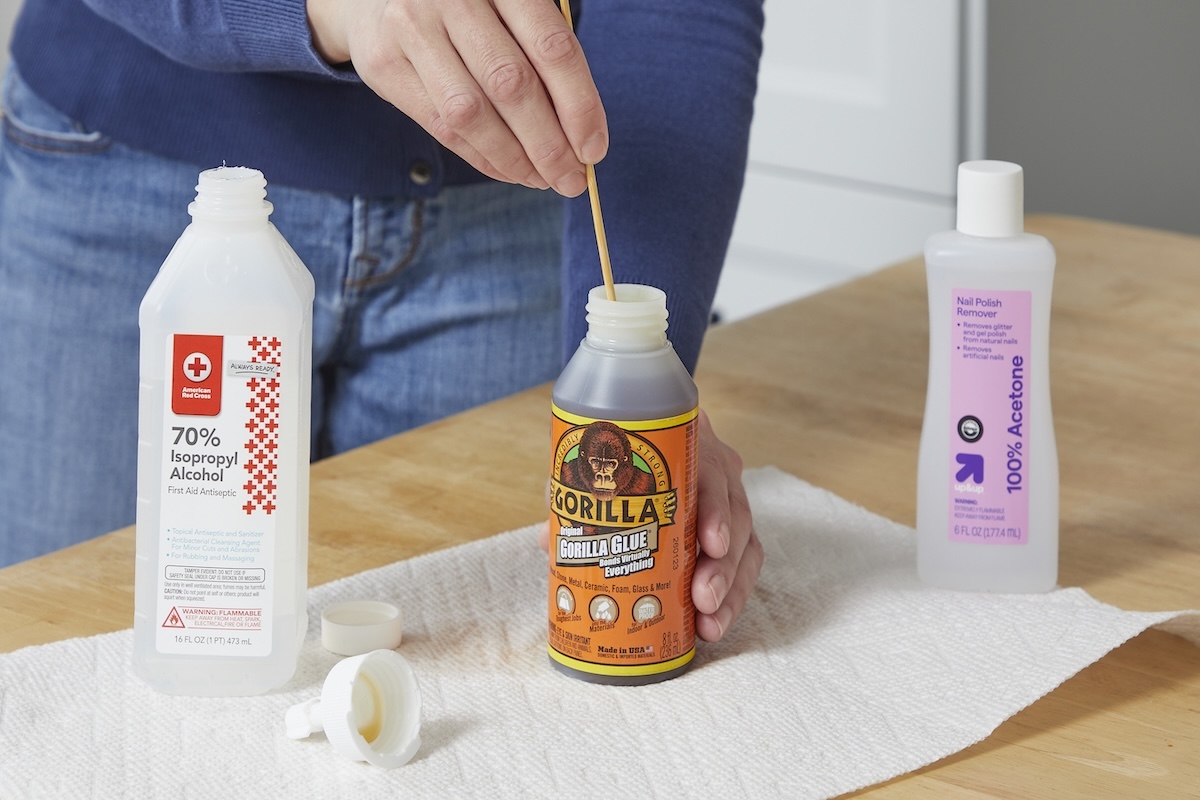
Rubbing alcohol and acetone are two other solvents that may help soften certain thickened adhesives (mostly super glues containing cyanoacrylate). Add only a drop or two at a time, mixing slowly and checking the consistency as you go. Keep in mind that these solvents can affect the adhesive’s performance and won’t work for every type of glue. Always work in a well-ventilated area and wear gloves and eye protection when handling rubbing alcohol or acetone.
4. Add a few drops of water to revive hardened wood glue.
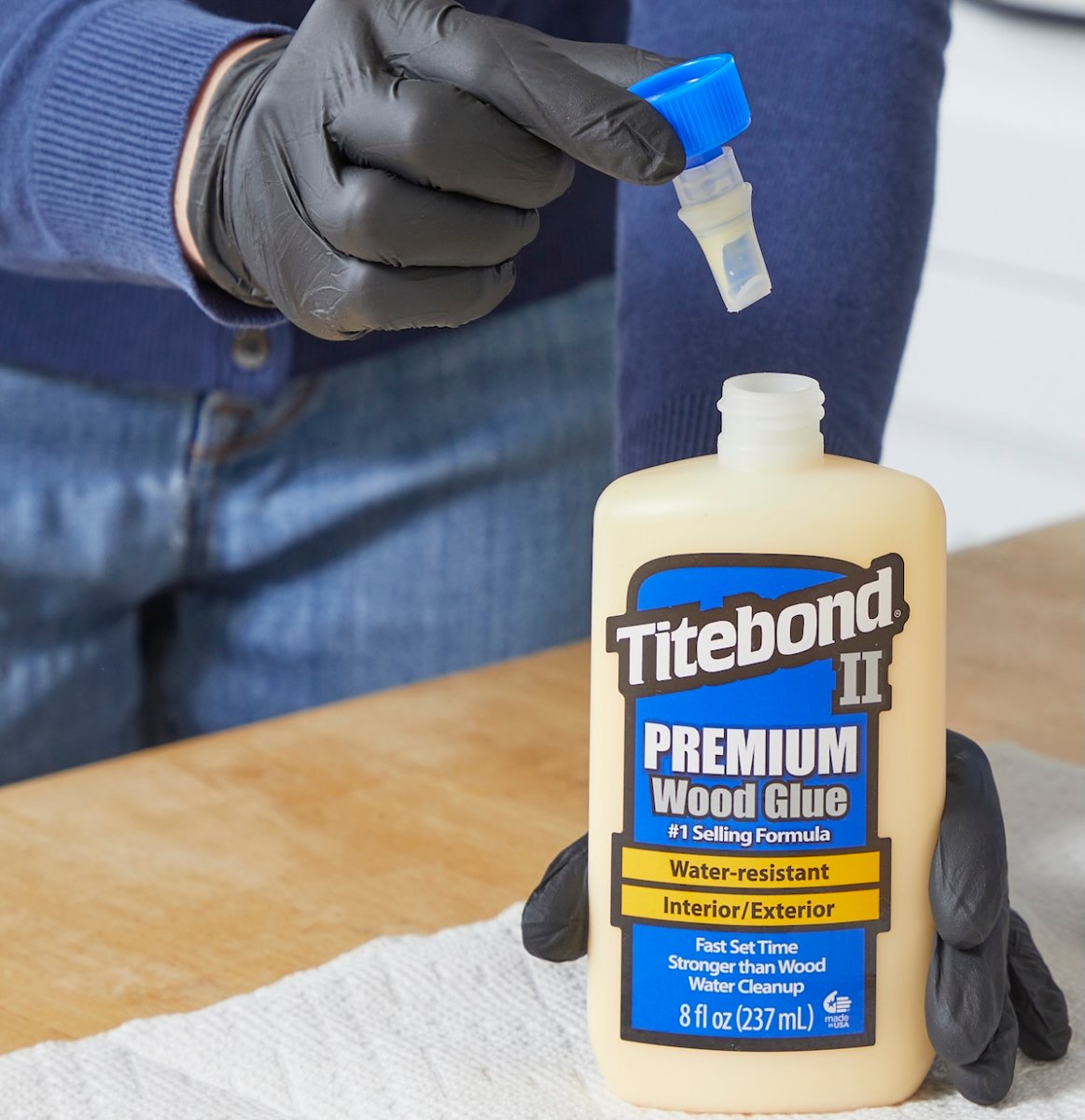
If you’re kicking off a woodworking project and discover that your wood glue has dried out, try adding a little water to it to bring it back to life. Adhesive manufacturer Titebond says that their wood glues can be “can be thinned with water up to 5 percent by weight or by volume,” but “adding more than 5 percent vinegar to our glues will decrease the bond strength.”