We may earn revenue from the products available on this page and participate in affiliate programs. Learn More ›
As the end of summer nears, many people assume the growing season is coming to a close, but autumn actually offers an easier, low-maintenance opportunity to harvest fresh produce. By planting a fall garden and shifting to cool-season crops, you’ll experience many rewards. Best of all, you don’t need a green thumb to see results.
As Chelsey Lenczyk, organic lead at Bejo USA & Canada and National Garden Bureau (NGB) member, points out, “You can do some really quick crops like radishes, baby carrots, spinach, and other greens that are ready in 30 to 60 days for a fast reward.” Plus, gardening in the crisp, cool weather is more pleasurable, making autumn the perfect time to enjoy and share your harvest with neighbors, friends, and family, she notes.
Here are the top three reasons why growing vegetables is easier in the fall than summer, and the best crops to grow, depending on where you live.
Why Grow Vegetables in the Fall
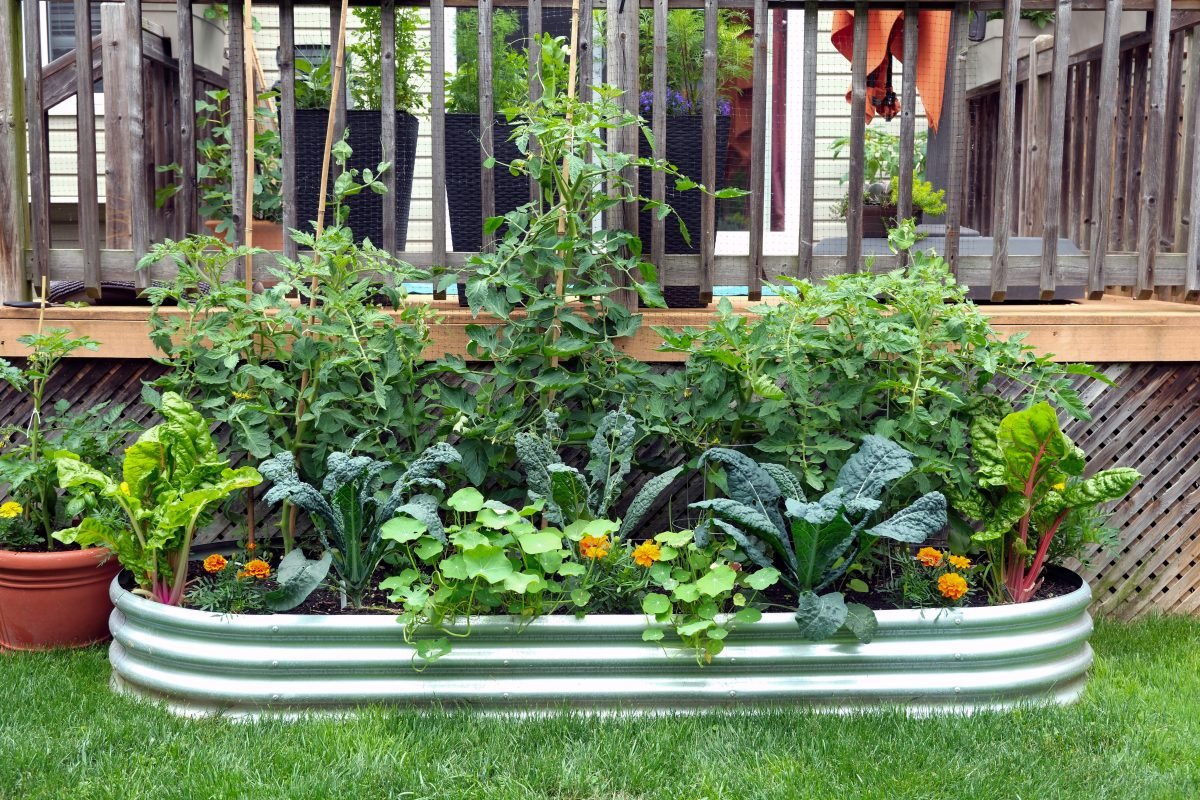
The autumn advantage is real when it comes to gardening, according to the NGB. The organization’s recently released The Ultimate Guide to Fall Gardening: Best Crops, Varieties & Timing, cites three key reasons for shifting to late-season vegetables. To tap into these benefits, plant your fall garden in mid-to-late summer. Figure out the best time by counting back the crop’s days to maturity (usually listed on seed packets or plant tags) from your region’s expected first fall frost date, adding an extra 10 to 14 days to account for shortening day lengths.
1. Better Flavors
Exposure to cool weather and light autumn frosts triggers cool-season plants to convert stored starches into natural sugars, resulting in enhanced flavors, according to NGB. Vegetables like kale, arugula, spinach, and Brussels sprouts end up tasting milder, sweeter, and less bitter when harvested after growing during colder temperatures. In addition, fall offers the opportunity to cultivate crops that can’t otherwise be grown in the hot summer, says Steven Engel, regional account manager at PanAmerican Seed and NGB member. “This expands your seasonal homegrown recipe options since fall provides fresh vegetables that can be used or preserved to make great-tasting home meals.”
2. Less Watering
Fall tends to bring an increased chance of rain, reducing the need for irrigation. In addition, shorter days during this time of year lead to lower watering needs for plants. According to NGB, cooler ambient temperatures lower soil evaporation rates. Combine fall plantings with a protective layer of mulch around plant roots and your autumn garden requires significantly less irrigation than during summer months.
3. Fewer Pests
Another reason that autumn is a favorable time to plant is fewer pests to attack vegetables. While summer crops face constant pest infestations, insect populations naturally decline in the fall as ambient temperatures drop. For example, most of the aphids, caterpillars, and beetles that feast on garden plants during spring and summer are no longer around by autumn. This means it’s easier to manage crops and less pressure to use pesticides and other pest deterrents.
Which Vegetables to Grow in Fall
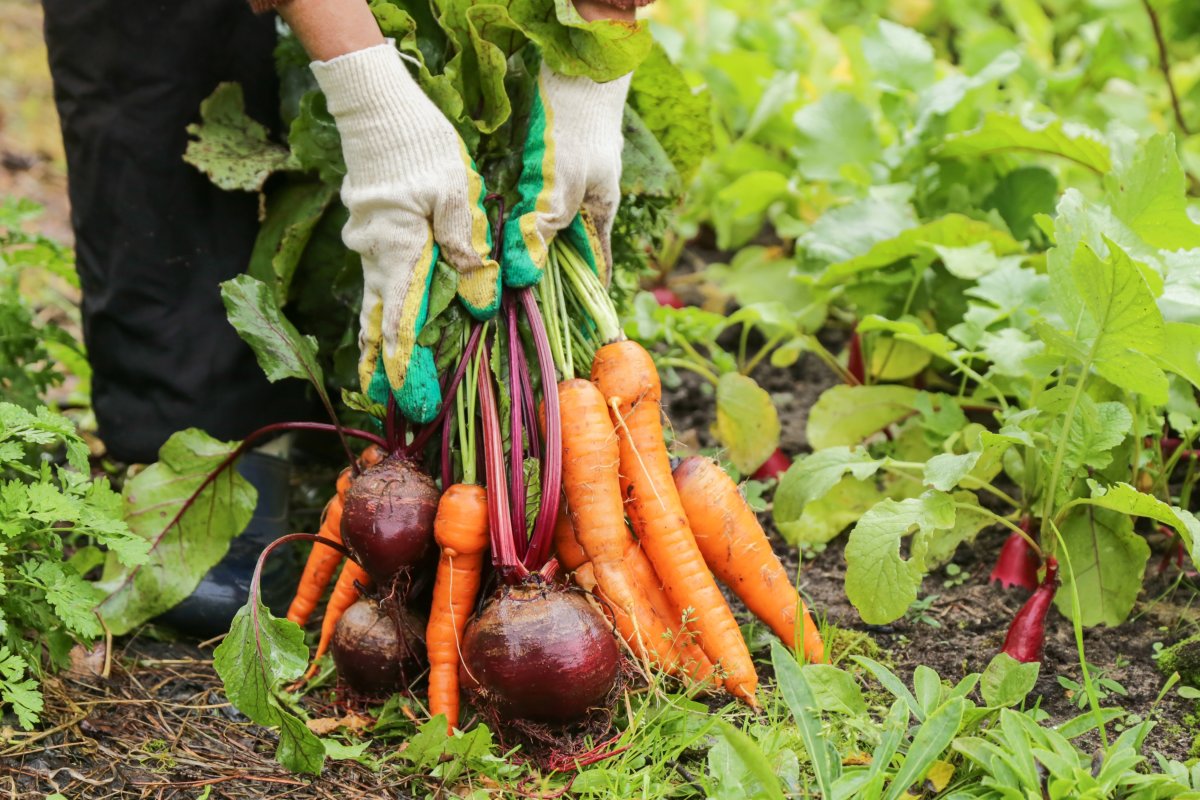
Now that you know the key benefits of cultivating an autumn garden, here’s a list of what to grow based on the region where you live. Feel free to add some companion herbs like rosemary and parsley, which can handle light frosts.
Northeast and Upper Midwest (Zones 3-5)
In areas like Maine, Minnesota, and northern New York, the first frost often arrives by late September or early October, which means the growing window is brief. Choose radishes, loose-leaf lettuce, baby spinach, and arugula since they grow quickly—some within a month. Kale, beets, turnips, and carrots are also good choices, as they can handle chilly nights and sweeten up soon after a frost. Swiss chard can add ornamental value plus a fall harvest.
Mid-Atlantic and Great Lakes (Zones 5-7)
The first frost date typically hits Illinois, Ohio, Pennsylvania, and sections of southern New England in mid to late October or later. That means gardeners can choose from among a large variety of fall crops. Lettuce, spinach, green onions, and Swiss chard do well in the mild fall temperatures of this region. Broccoli and beets are also excellent choices, as are peas if started by about mid-August in Zone 7.
Plains and Rockies (Zones 4-6)
Given the variability of weather in this region, it’s important to choose both cold-hardy and adaptable plants. Suggestions include cabbage, carrots, kale, spinach, and turnips. Less cold-hardy leafy greens also stand a chance if protected from unexpected frosts.
Pacific Northwest (Zones 7-9)
Here, autumn tends to be cool and wet with only mild frosts, which are ideal conditions for many leafy greens and root crops like collards, leeks, and mustard greens. Gardeners also can grow cabbage if they cover it to protect it from frost. Peas and green beans have longer sow-to-harvest times, but can produce before November frosts.
Southwest and Southern California (Zones 8-10)
Cool-season crops thrive in this region, given the long growing season and minimal risk of frost. Sow seeds every few weeks for greens and plant Bok choy, lettuce, spinach, radishes, and peas as late as October. Even some crops normally grown in summer in cool climates can thrive in warm autumns. Zone 10 gardeners can plant broccoli, cauliflower, and even potatoes in October.
Southeast and Gulf Coast (Zones 8-11)
These warmer areas are known for their extended growing season, which is a great fit for cool-season crops. Opt for collards, peas, mustard greens, turnips, carrots, and broccoli. In Zone 11, gardeners can grow most crops year-round. In most cases, wait until mid or late September to plant fall crops, after peak summer heat eases.