We may earn revenue from the products available on this page and participate in affiliate programs. Learn More ›
Though houseplants reside indoors, they’re still in tune to seasonal changes. With winter comes drier air, shorter days, and cooler temperatures. Complicating matters, the season is also a natural dormancy period for many plants. To help plants endure these challenging winter conditions, consider adjusting your plant care routine over the next few months. Here’s what to do (and not do) for your houseplants to help them handle seasonal stressors.
Don’t water them as much.
Because their growth rate is significantly slower during the winter, most plants do not require as much water. Watch for signs of soggy soil or plant signals of overwatering like foliage turning yellow. Check the moisture level by putting your finger about 1 inch into the soil. If it feels dry, the plant needs a good soaking.
Some plants, however, really pop as winter or holiday favorites, so check the watering needs of these wintertime bloomers. Be sure to use lukewarm water.
Move them to a different window.
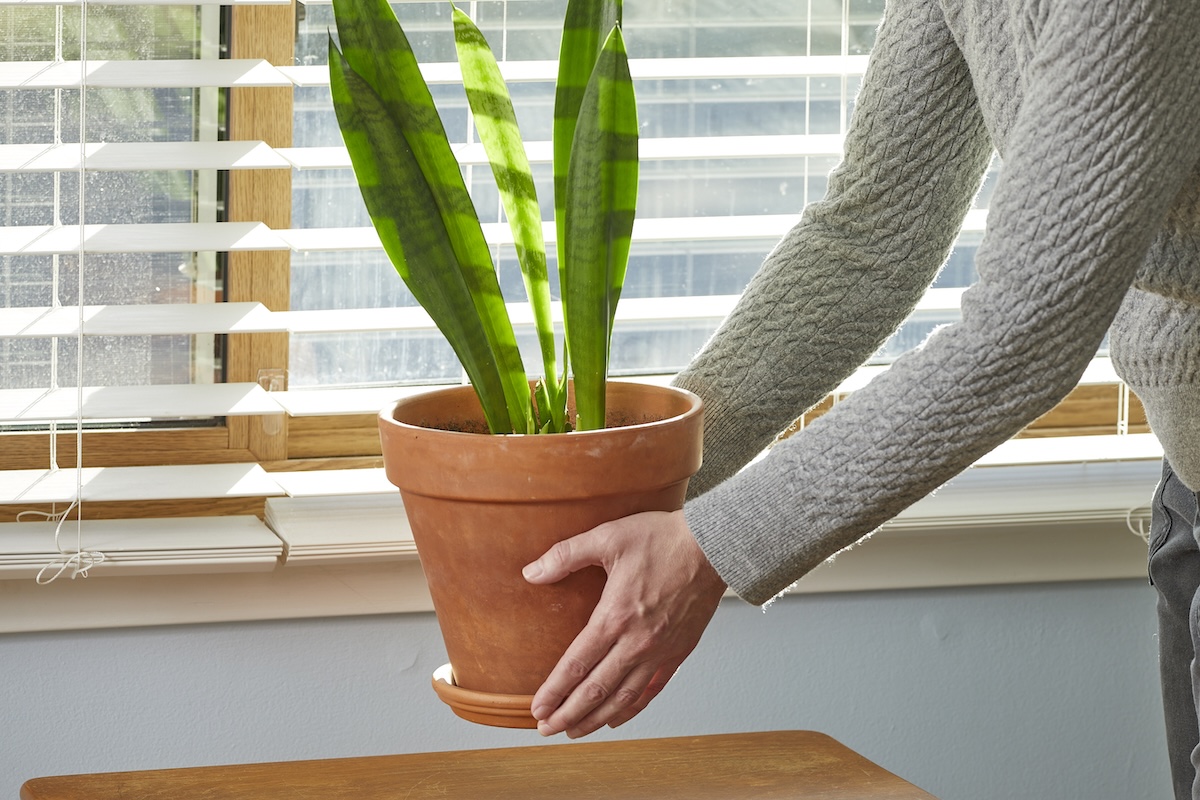
From summer to winter, the angle of the sun changes, so you might want to place your plants near a different window for the season. You can also wash the window glass inside and out to let in more light. Don’t forget to rotate your plants every so often to make sure they receive light on all sides.
Pause the fertilizer.
For most houseplants, fertilizing is not necessary during the winter. That’s because plants tend to rest during these cold and dry months, just like they would if living out in the elements. Because they grow little in winter, it’s best to withhold food until next spring, when the days are much longer and the sun is stronger. Resume weekly feedings as spring approaches to give plants a boost as they sport new growth.
Clean the foliage.
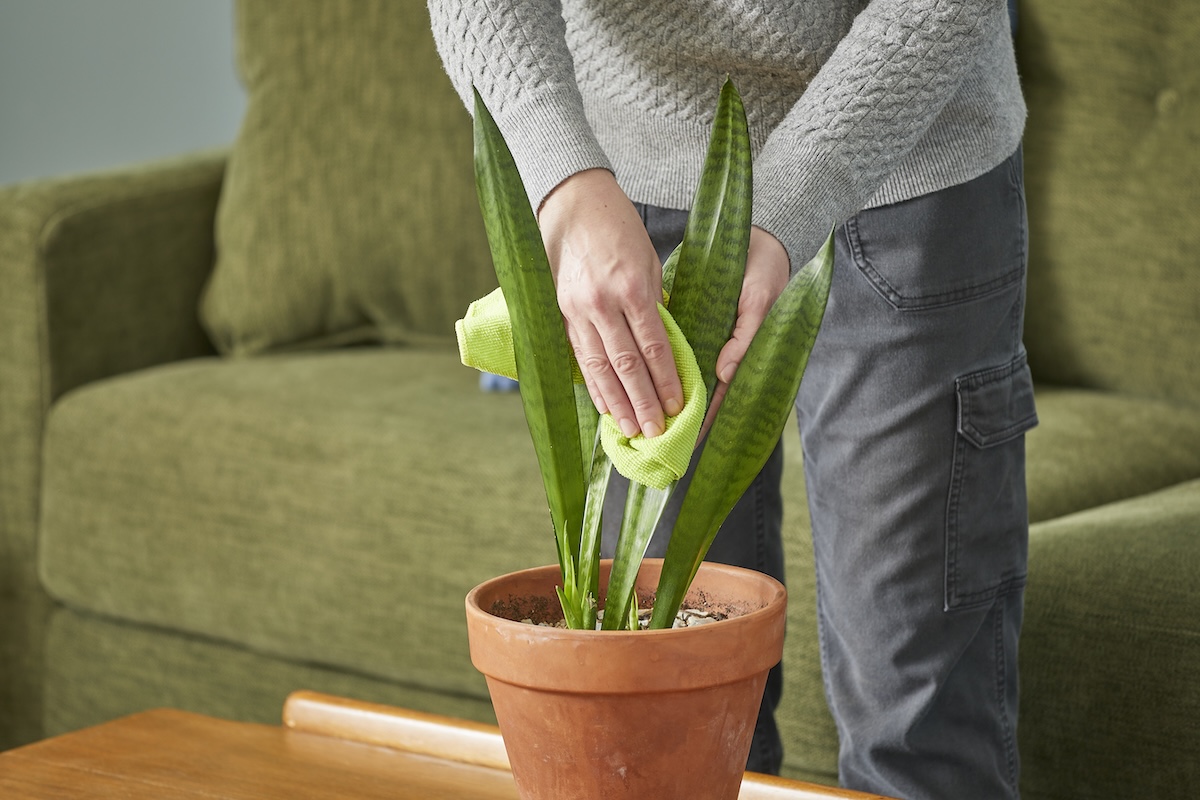
Dusty leaves can clog pores, making it difficult for a plant to fully absorb sunlight and soak up essential nutrients. If a plant is small enough to tote around, take it on a trip to the kitchen sink and gently spray the leaves, letting the pot sit in the sink until most of the water drains out.
Large plants require a little more time. Using a damp cloth, wipe the leaves to get rid of any dust or debris. Brush off plants with fuzzy leaves (like African violets) with a soft makeup brush or paint brush. A thorough cleaning can also help get rid of some unwanted pests.
Increase moisture in the air.
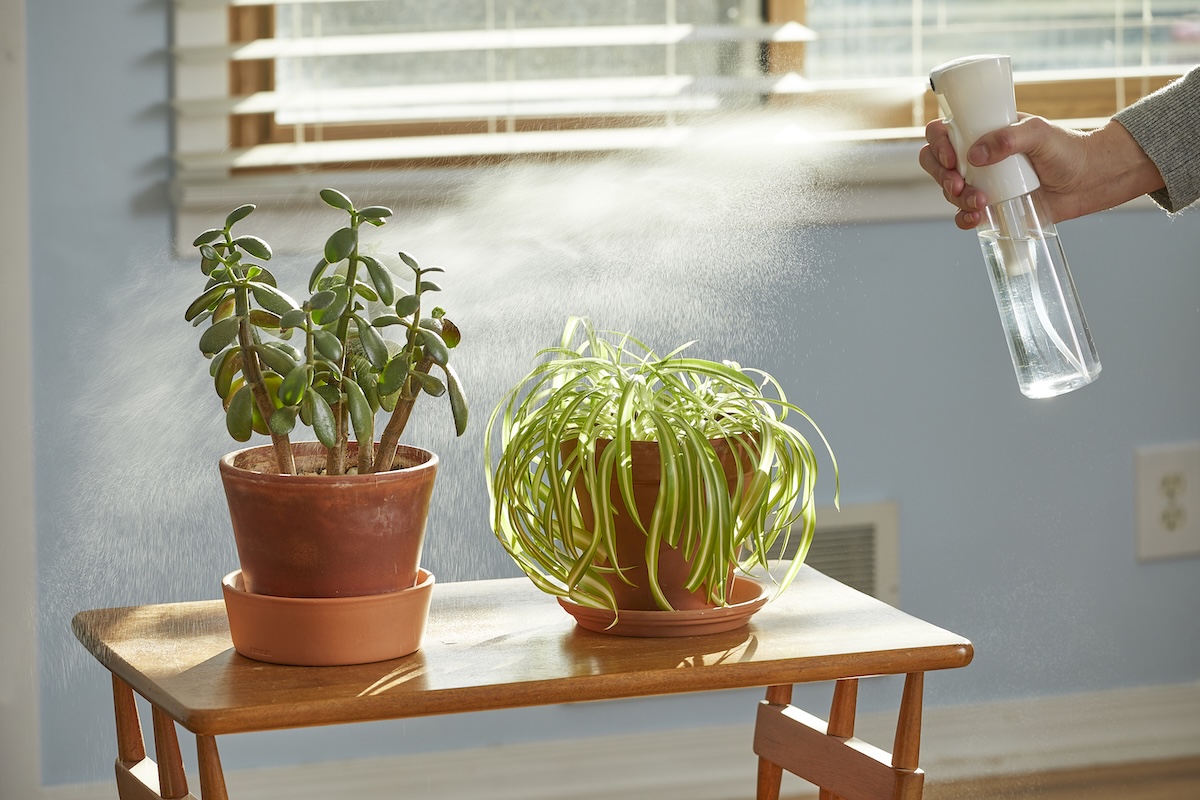
Houseplants prefer a humidity level of 40 to 50 percent. Unfortunately, during the winter months the humidity level inside heated homes can dip as low as 10 to 20 percent. To combat low humidity, mist houseplants frequently and put any tropical plants on a tray of rocks with a small amount of water. If a room is particularly dry, run a humidifier to increase overall moisture in the air.
Keep temperature fairly constant.
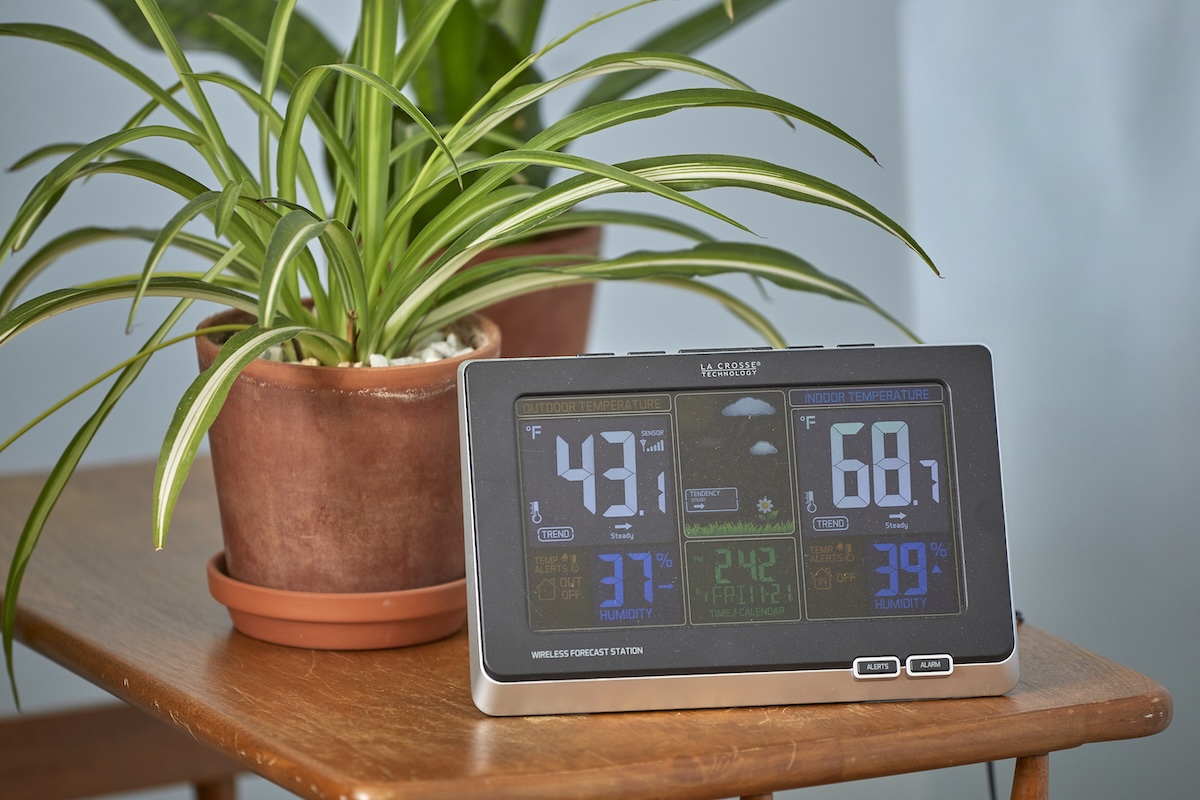
During the daytime, most plants prefer a temperature between 65 and 75 degrees Fahrenheit, with nighttime temps about 10 to 15 degrees cooler. Dramatic fluctuations in temperature can damage plants, so it’s best to keep plants away from cold windows or from sources of heat, such as stoves, fireplaces, and radiators.
Pinch and prune them.
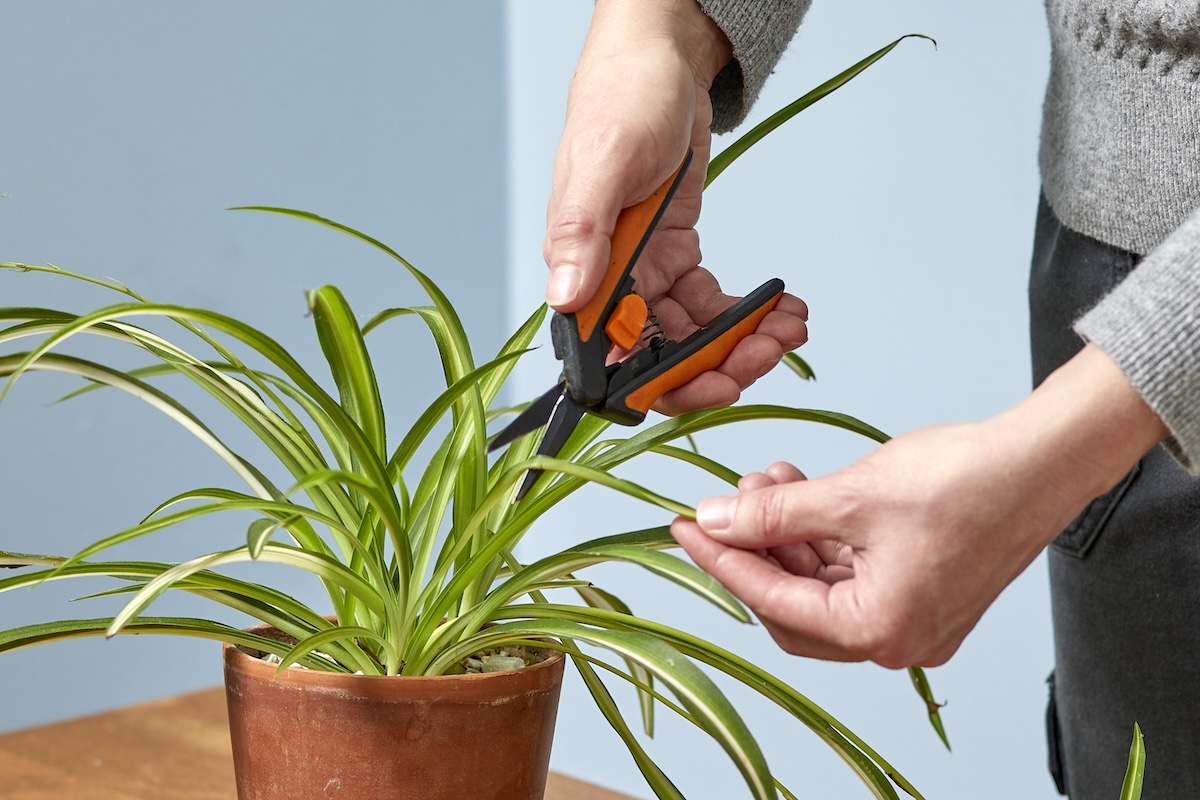
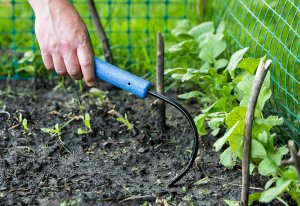
To stay healthy and attractive, plants need a little pruning from time to time as part of their maintenance. Many houseplants have soft stems, which make them relatively easy to prune, no tools required. Using your thumb and forefinger, pinch off any dying flowers and remove damaged leaves. Plants with thicker stems might require pruners or sharp scissors to do the job.
Prevent pest infestations.
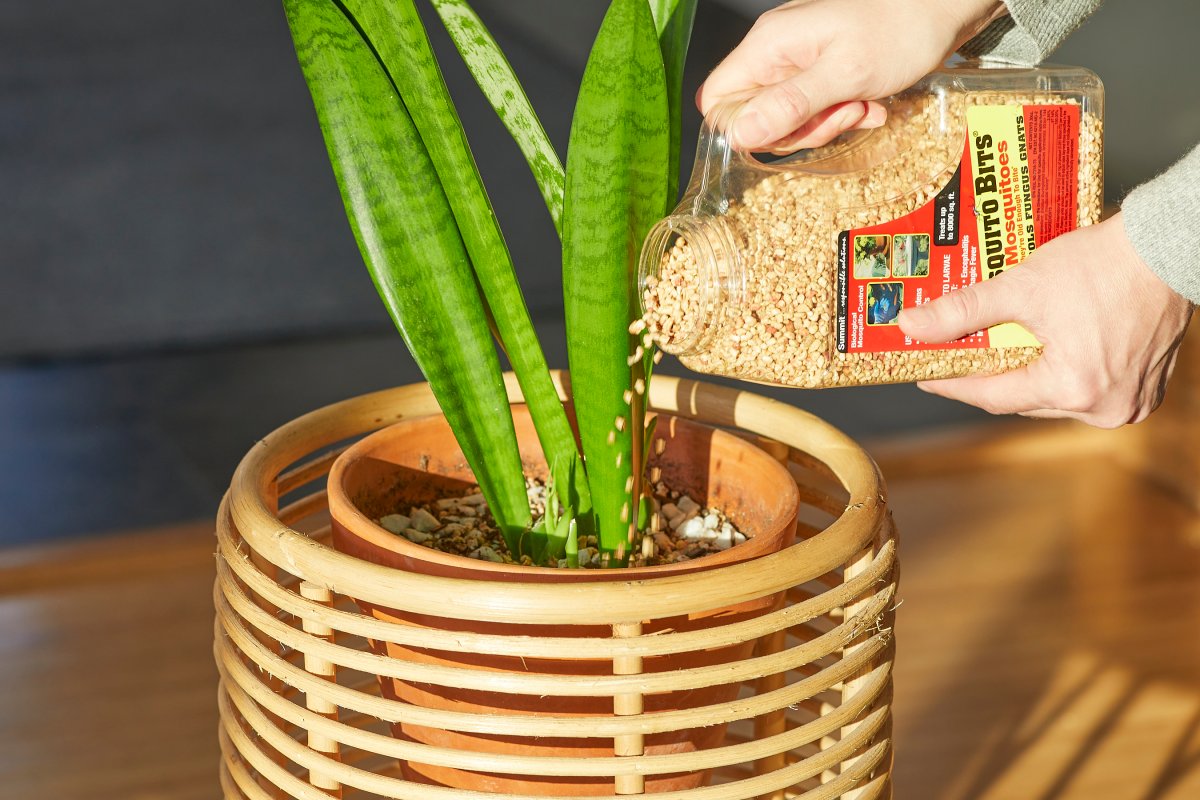
Although pests are no more common in cold months, indoor plants can be more susceptible to pest infestations in the winter. Some plants stress out in winter conditions, and the stress lowers their defenses. Sure, insects may have tiny heads, but they are smart enough to know a weakened plant from a healthy one. In fact, some of them may have been lying in wait in a container’s soil, only to emerge, mature, or reproduce a month or so later, ready for business.
Overcrowding is a main cause of winter pest infestations. Rooms have only so much good light on short, cold days, and you may have crammed plants together in front of windows to make the most of those rays. It’s a good idea to rotate or move plants around and check for chewed-up leaves and other signs of pests. One of the best defenses is to spray off and check any plants you bring indoors for winter. Better yet, quarantine new purchases or plants that have been brought indoors until they appear to be insect-free.
Fight off fungi and rot.
One reason to cut back on watering in winter is to prevent stem or root rot, which are caused by a variety of fungi. Just as with pests, winter stress can make plants more susceptible to root rot. Cool, wet soil helps most fungal organisms thrive, and some spores overwinter on plant leaves and branches and then jump back into action as soon as temperatures warm up. Being cautious with water goes a long way toward preventing plants from falling victim to rot in winter.
If a too-dry home requires a humidifier or some extra watering to keep plants happy, take care with the water to avoid powdery mildew on leaves and soggy soil in houseplant pots. Water only when plants need moisture, ensure that the potting soil and pot drain well, give all plants some space for air circulation, and avoid extreme conditions—too hot, too cold, or too wet. For peace of mind, try monitoring soil moisture with a moisture meter like the Ippinka Sustee Aquameter, the best indoor pick from our researched guide to the best soil moisture meters.
Let them be.
Although the recommendations above, along with a little attention, can help houseplants survive the winter, sometimes it’s best not to mess with a good thing. Think of houseplants in winter like hibernating bears: They gather lots of energy in summer, and when the weather turns cold, they rest to conserve it until longer days return.
While it’s a good idea to cut back on water and fertilizer, avoid making any drastic changes to houseplants’ conditions once they settle in for a long winter’s nap. This means minimizing extremes in temperature and environment, and only light pruning and pinching to clean up the plant. Most of all, resist the urge to repot a houseplant in the middle of winter. It’s tempting during this season of gardening downtime, but repotting can shock a dormant plant. Put it off until spring or summer when plants are in their growth phase.