We may earn revenue from the products available on this page and participate in affiliate programs. Learn More ›
One of the best all-purpose products you can get for your house might already be in your pantry: vinegar. Beyond being a popular ingredient in recipes, there’s a long list of uses for it around the home.
Thanks to its high acidity, vinegar is a versatile household product. It can get rid of stains, cut through dirt, and is a natural disinfectant. While there are many different types of vinegar, white vinegar and apple cider vinegar are the best choices for being a potent cleaner without damaging most surfaces.
If you’ve ever been in a big-box store and wondered why people buy vinegar by the gallon, you may just be the one buying it in bulk on your next shopping trip.
Wash the Dishwasher
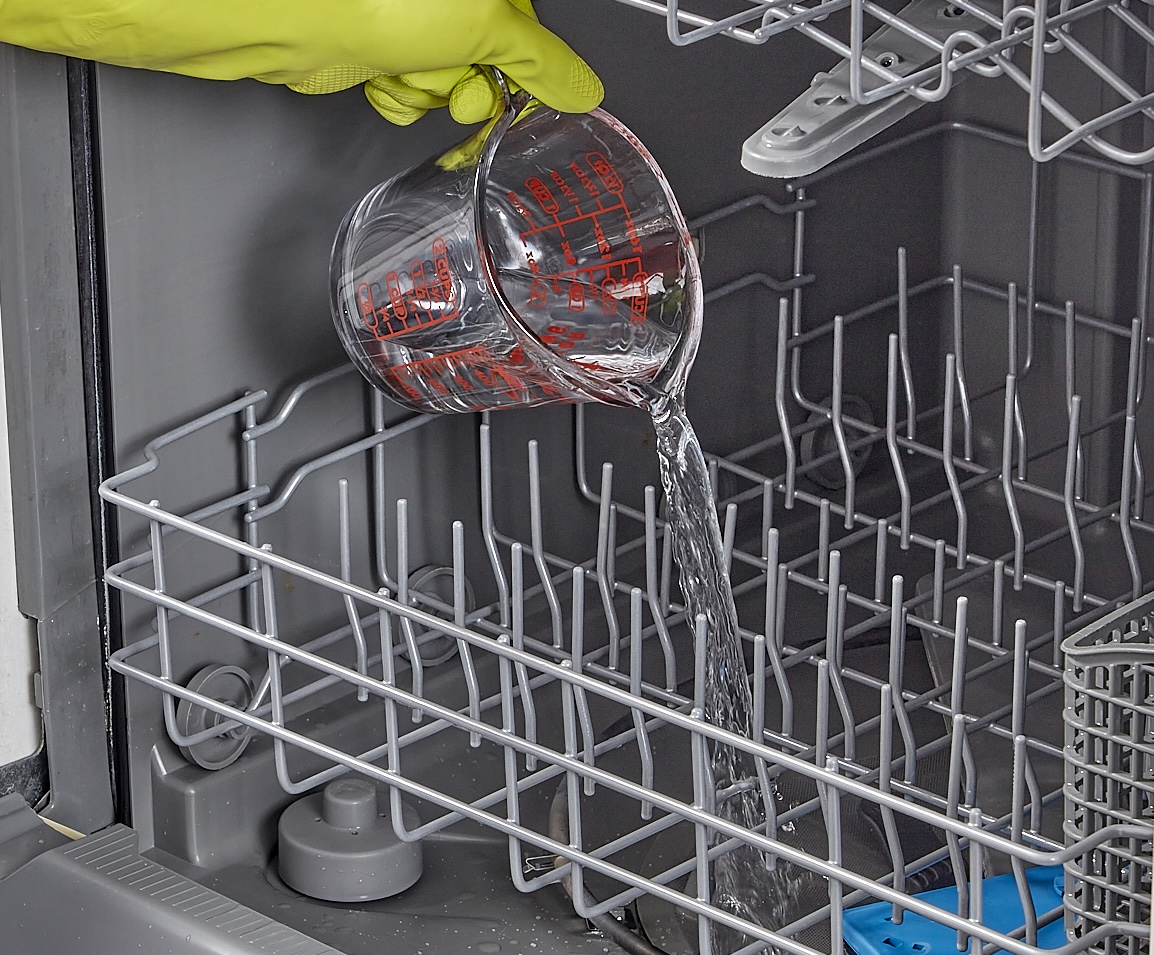
Your dishwasher washes all the food residue off your dishes. But how often do you wash the dishwasher? You can, by pouring 1 cup of vinegar into the bottom of the tub and running it through a cycle without any dishes. Doing this once every month or two will remove built-up soap residue and keep it in squeaky-clean shape.
Clean Your Shower Heads
Got a clogged shower head? Put boiling water in a bowl with 1/2 cup of vinegar. Soak the shower head for 10 minutes and watch those clogs disappear. If you can’t remove the head, partly fill a plastic bag with full-strength vinegar and tape it over the fixture. Let it sit for an hour and remove, and you’ll be shower-ready!
Remove Rust From Tools
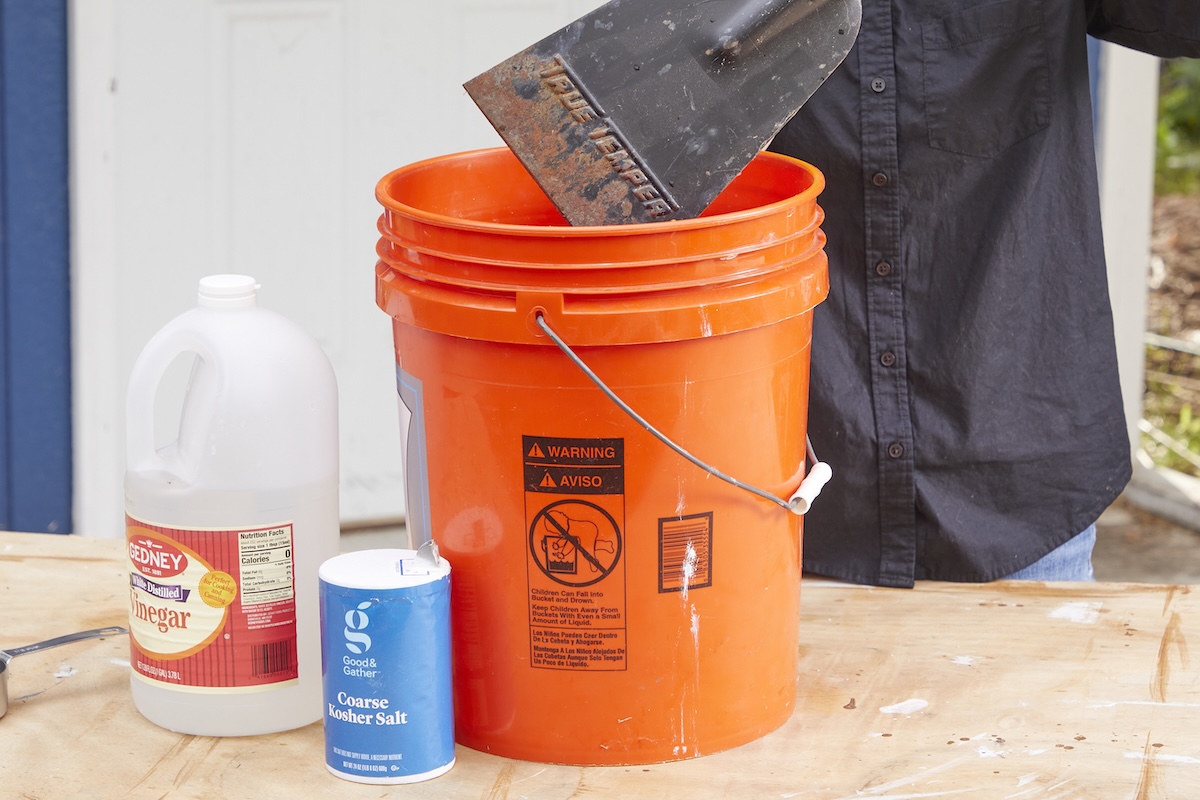
Remove rust from tools by soaking them in full-strength vinegar for several days. Once the rust dissipates, rinse and dry them well. This method also works well for screws and bolts.
Extend the Life of Flowers
Enjoy fresh-cut flowers for as long as possible by adding equal parts white or apple cider vinegar and sugar—2 tablespoons is good to start with for an average-sized vase—to the water to extend the life of flowers. The vinegar lowers the pH levels of the water and prevents bacteria, and the sugar feeds the flowers.
Clean a Toilet Tank
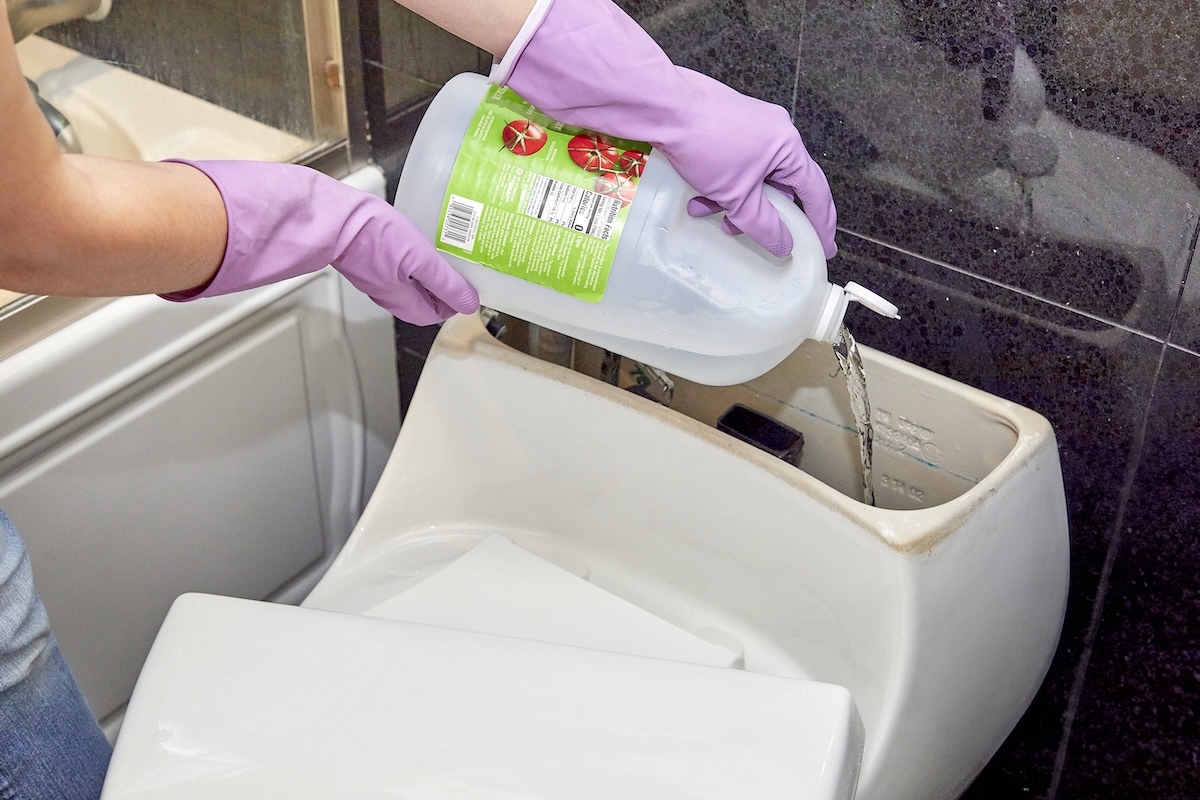
When was the last time you lifted the lid on your toilet tank? Over time, sediment in grime in the tank can affect the performance of the flush and fill valves, which is why it’s important to clean the tank a couple times a year. If the tank doesn’t too grimy when you lift the lid, pour in 4 to 6 cups of vinegar, let it sit for an hour, then don some rubber gloves and scrub it with a long-handled scrub brush. If that doesn’t get the job done, follow our guide to cleaning a toilet tank.
Remove Mold From Fabric
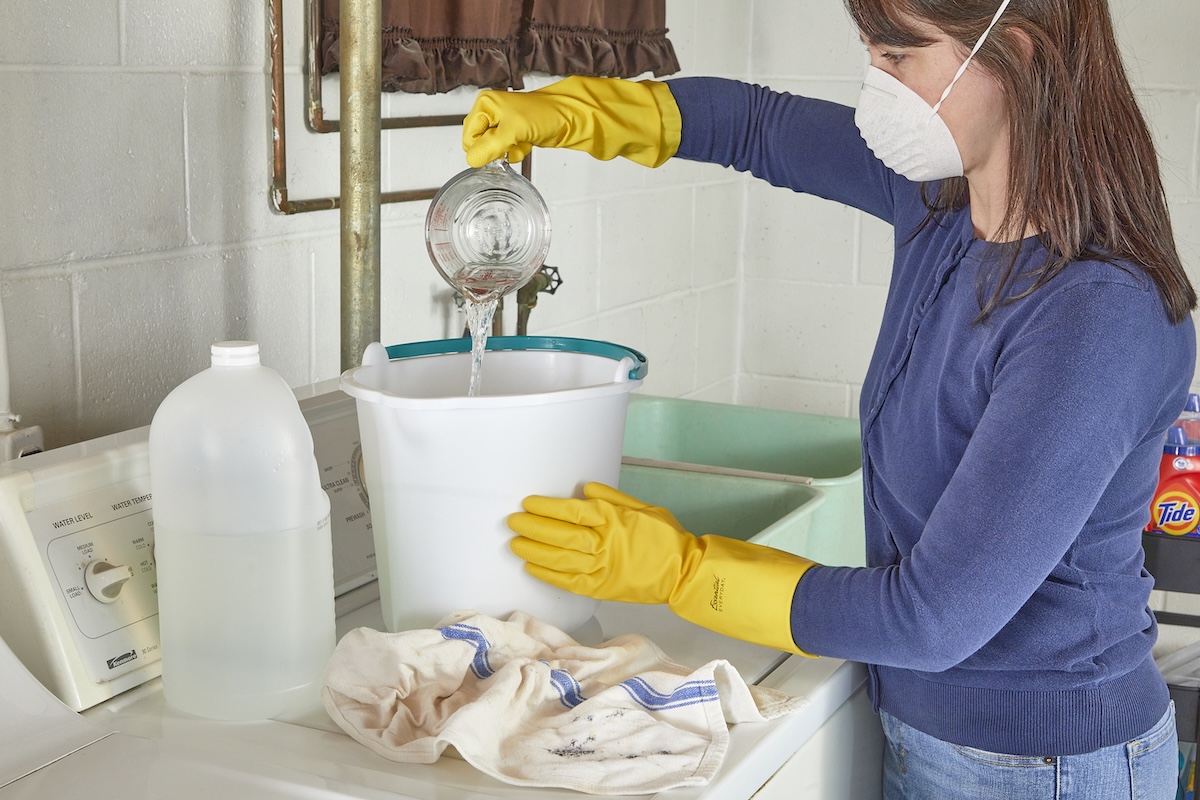
Remove mold from dank clothing and towels by first soaking the moldy item in a bucket filled with water and a cup of vinegar for an hour, scrubbing the stain, and then laundering the item in hot water with another 1 to 2 cups of vinegar. Vinegar kills most species of mold, and nixes the stink too.
Renew Dried Paint Brushes
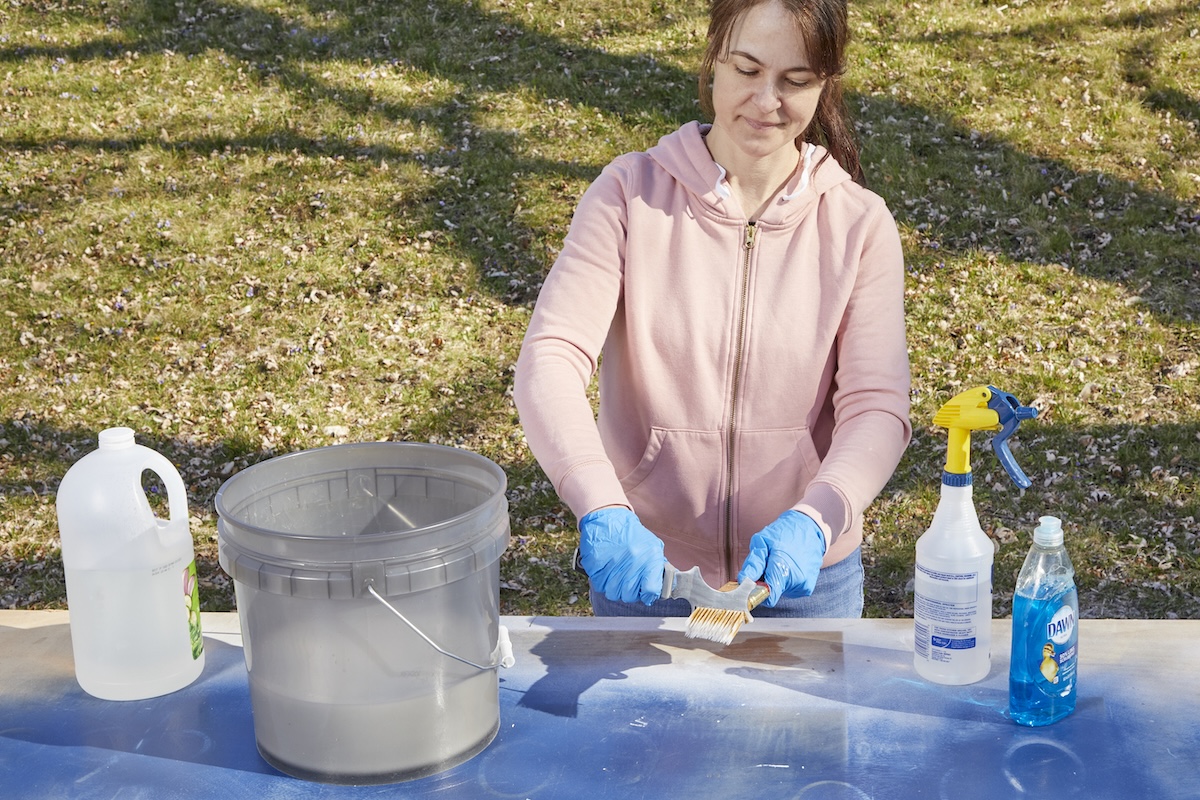
Don’t throw that synthetic paint brush away just because it’s caked with dried paint. Soak it in a cup of vinegar until the bristles loosen up. Then wash it in warm, soapy water. Still stuck together? Boil it in vinegar for 10 minutes and follow up with another soapy water bath. Your paint brush should return to its old pliable, useful self.
Clean Wood Floors
Wash your hardwood or prefinished floors the old-fashioned way: Add 1/2 cup vinegar to 1 gallon of hot water and mop or scrub as usual (make sure to barely wet your mop or cloth). To reduce the smell of vinegar, add a drop or two of essential oil to your mix. Lemon- or lavender-scented oils are excellent options. Make sure to dry the floor completely with a towel afterward.
Note: Don’t try this technique on waxed floors because it will strip off the wax finish.
Control Wasps
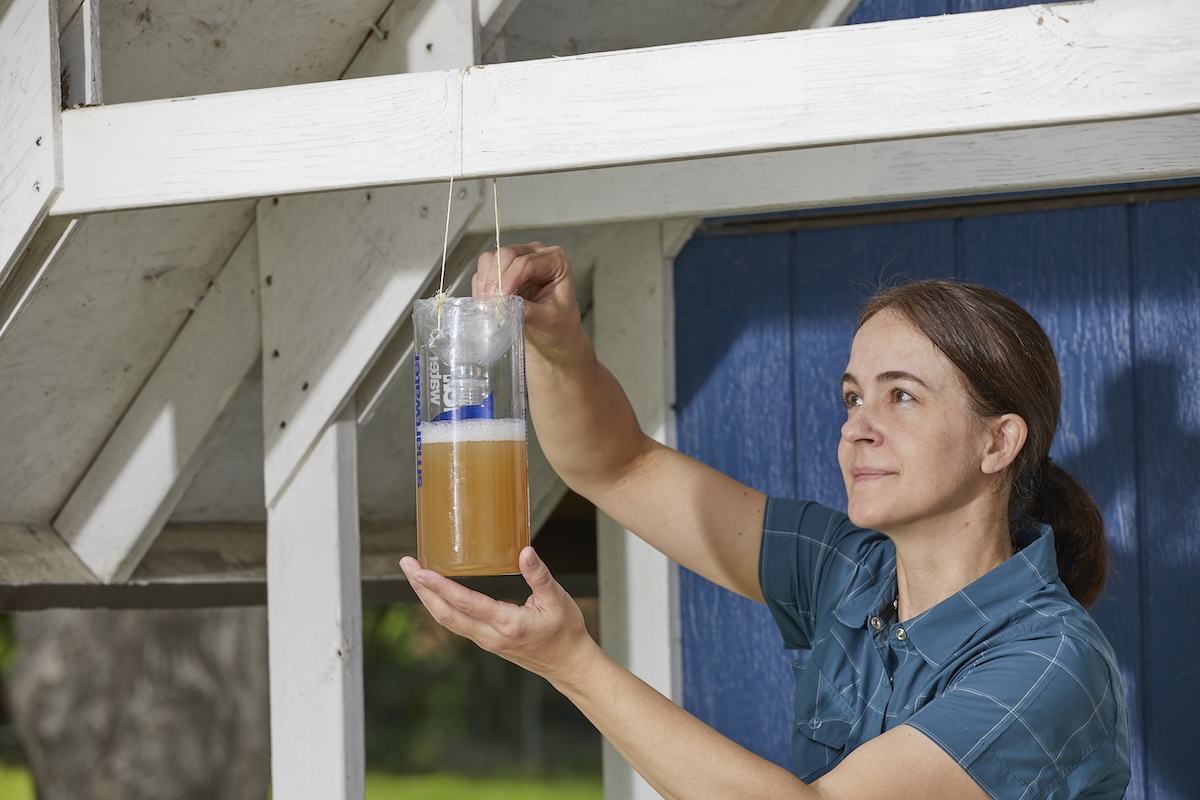
Getting rid of wasps with vinegar without using chemicals is easy: chemical-free wasp trap by cut plastic soda bottle with a cup of apple cider vinegar. Hang it outside, and You’ll be catching wasps in no time. Discard the trap and replace it with a new one when it’s full.
Clean Ceramic Tile
Make your own cleaning solution to freshen up dingy tiles around tubs and sinks. Just add a 1/2 cup vinegar, 1/2 cup ammonia, and 1/4 cup borax to a gallon of water. Scrub the tile, rinse thoroughly with water, and allow it to air dry.
Eliminate Smoke Odors
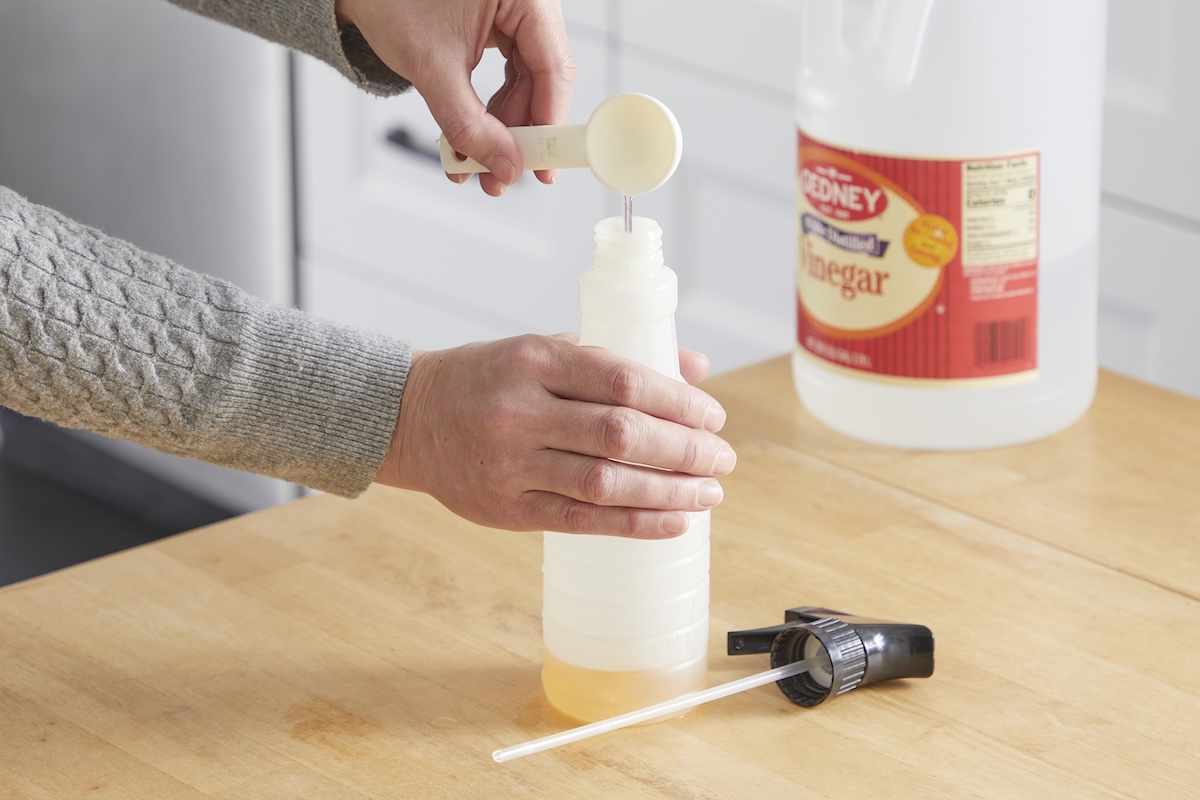
Tar and resin from cigarette smoke can stick to furniture and leave an odor long after the smoke evaporates. To eliminate smoke residue and odor, spray orange-infused vinegar onto hard surfaces, let it sit and then wipe it down with a dry cloth. You may need to repeat the process a few times if the situation is super stinky. Avoid spraying this solution onto fabrics.
Test Your Soil
Conduct a quick, inexpensive test for excess alkalinity in your soil by putting some dirt in a container and pouring about 1/2 cup of vinegar into it. If the soil fizzes or bubbles up, it’s too alkaline. Mix some peat moss or sulfur into your soil to make it more pH neutral.
Unclog Drains
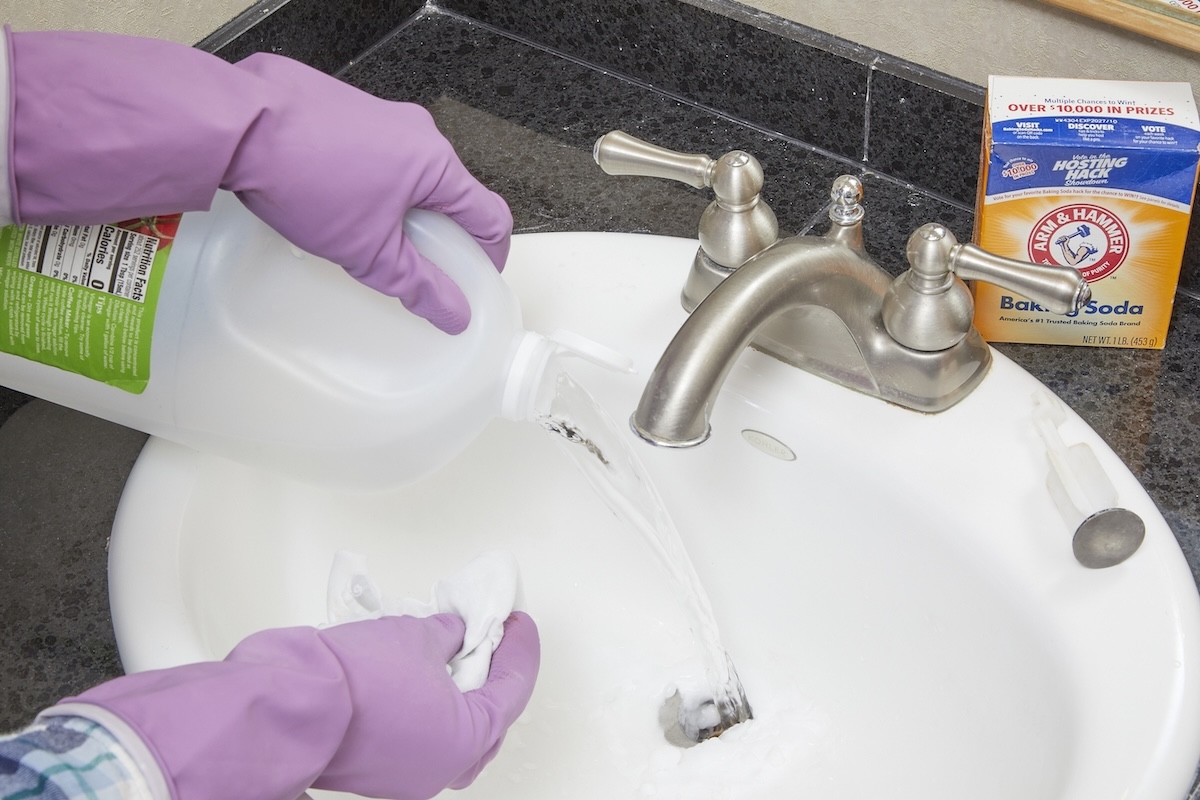
Clear a clogged drain by pouring a 1/2 cup of baking soda into it, followed by 1 cup of white vinegar. It will bubble and foam, and once that stops, flush the drain with hot water. After about 5 minutes, rinse with cold water. This approach is effective, nontoxic, and less damaging to your pipes (and wallet!) than commercial drain cleaners.
Sanitize Wood Cutting Boards
You can’t wash a wooden cutting board in the dishwasher as you can a plastic cutting board because water warps wood. To properly clean a wooden cutting board, spray it with undiluted white vinegar, let it sit for no more than 5 minutes, and then wipe it with a damp cloth.
Clean the Coffee Maker
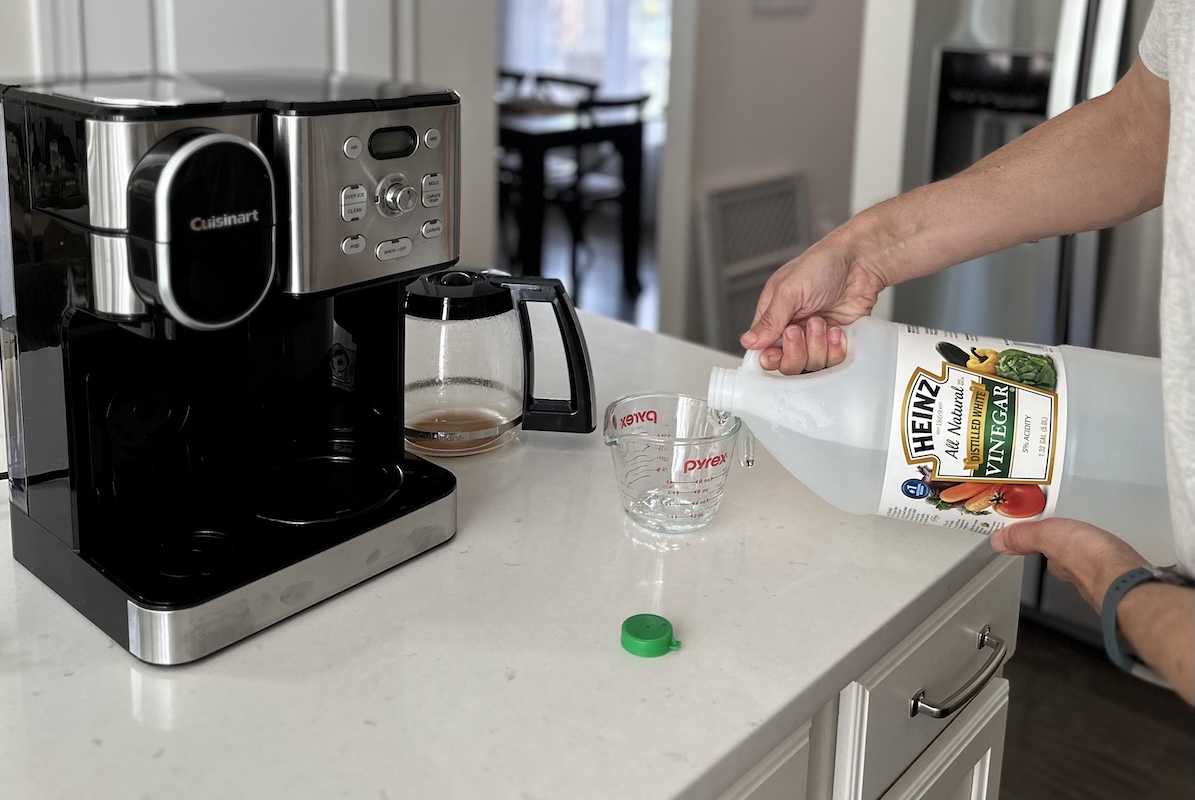
Mineral and coffee oil buildup can harm the taste of your coffee, which is why it’s important that you clean a coffee maker every 3 to 6 months. The good news is this is an easy, set-and-forget task to accomplish: Fill the coffee maker’s water chamber with equal parts water and white vinegar and start the brew cycle. Halfway through, pause the cycle to let the vinegar work its magic cleaning and disinfecting. Wait 30 minutes, then allow the cycle to finish. Vinegar also helps descale Keurigs.
Remove Coffee Stains
Spilling coffee already feels like a bad omen, but having it stain a shirt or the carpet is even worse. Blot the stain with a mixture of vinegar and water before it has the chance to set.
Clean the Windows
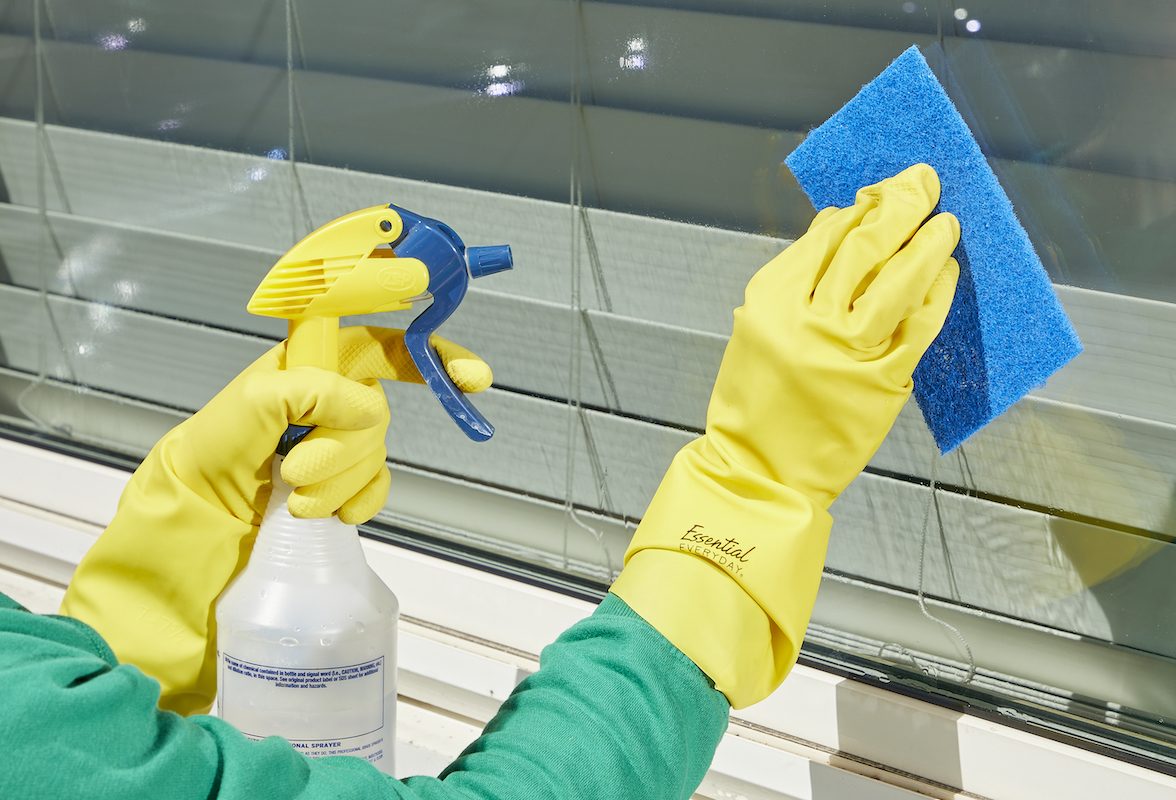
Achieve streak-free, shining windows by making your own window cleaner. All you need to do is combine one part white vinegar to two parts water in a spray bottle. It’s a simple and effective recipe!
Kill Weeds
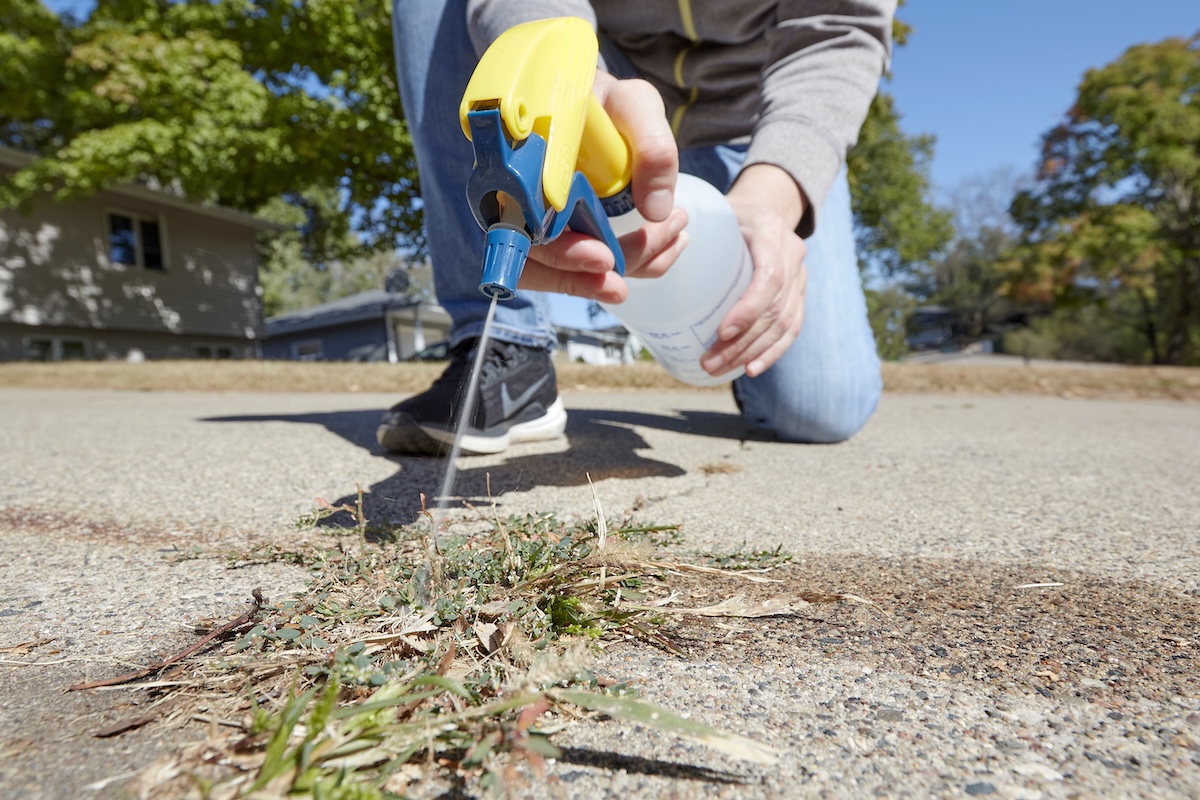
Avoid using strong chemicals in the yard—instead, reach for the vinegar. You can kill weeds with vinegar by mixing 1 tablespoon of dish soap, 1 cup of table salt, and 1 gallon of vinegar. Take care not to use vinegar near plants that you want to keep since the natural herbicide can kill them, too.
Refresh and Brighten Your Laundry
Are your bath towels starting to feel gross? Bacteria left behind after showering and built-up laundry detergent can make towels start to stink. To get them smelling fresh again, run them through a cycle replacing the detergent with 1 cup of distilled white vinegar.
Vinegar can also do wonders to brighten white clothes and linens that have gone dingy. Simply add ½ cup of vinegar to the drum of your washing machine alongside your preferred laundry detergent. The vinegar will remove yellowing and make white fabrics look like new. Acidic vinegar can wear the rubber gaskets in your washing machine, however, so think carefully about using it too frequently.
Clean Stainless Steel
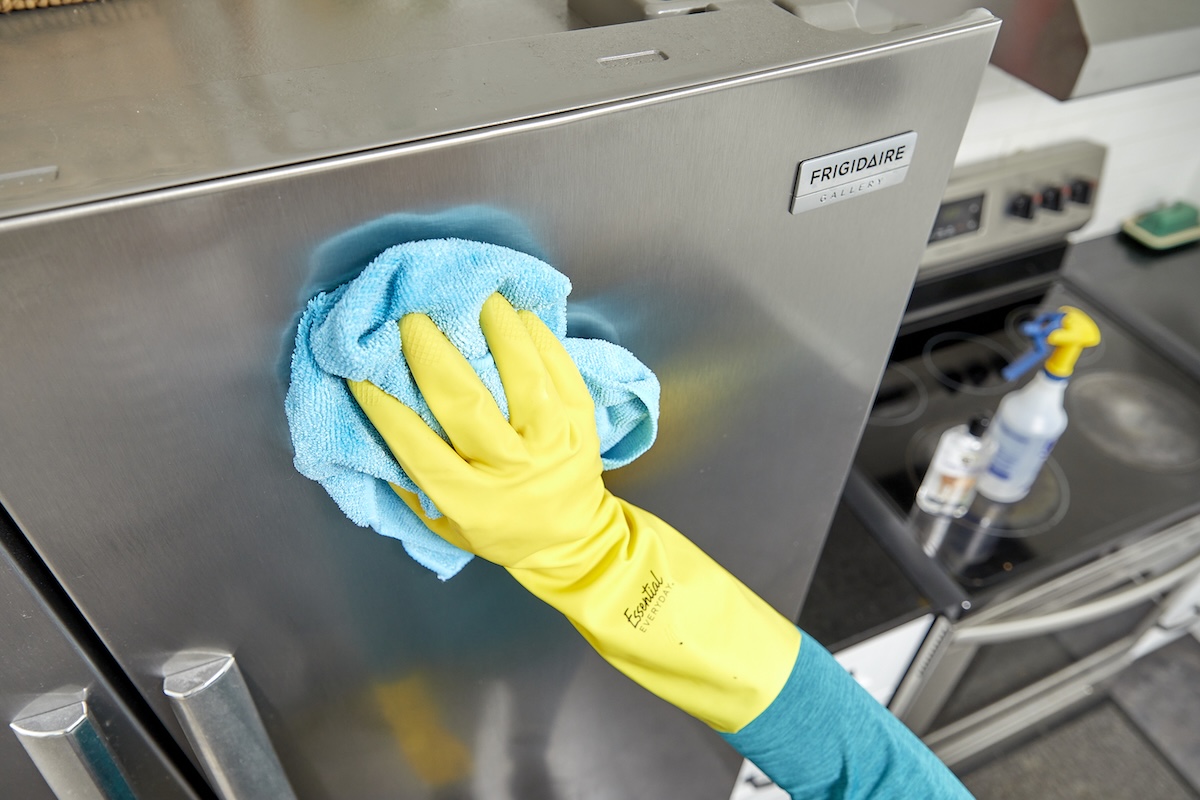
Stainless steel looks sleek until you start noticing fingerprints all over the fridge. To get rid of the prints and any other residue, spray stainless steel surfaces with vinegar and then wipe down with a microfiber cloth. Finish off with a small amount of mineral oil to make the stainless steel shine.
Remove Ink Marks
Have your kids ever gotten hold of a ballpoint pen and doodled somewhere they shouldn’t? The next time this happens, take a deep breath and grab the vinegar. Pen marks on walls, laminate furniture, and other hard surfaces can be scrubbed away using full-strength white vinegar. Use a microfiber cloth or sponge to go over the stain as needed until it fades away.
Deodorize the Washing Machine
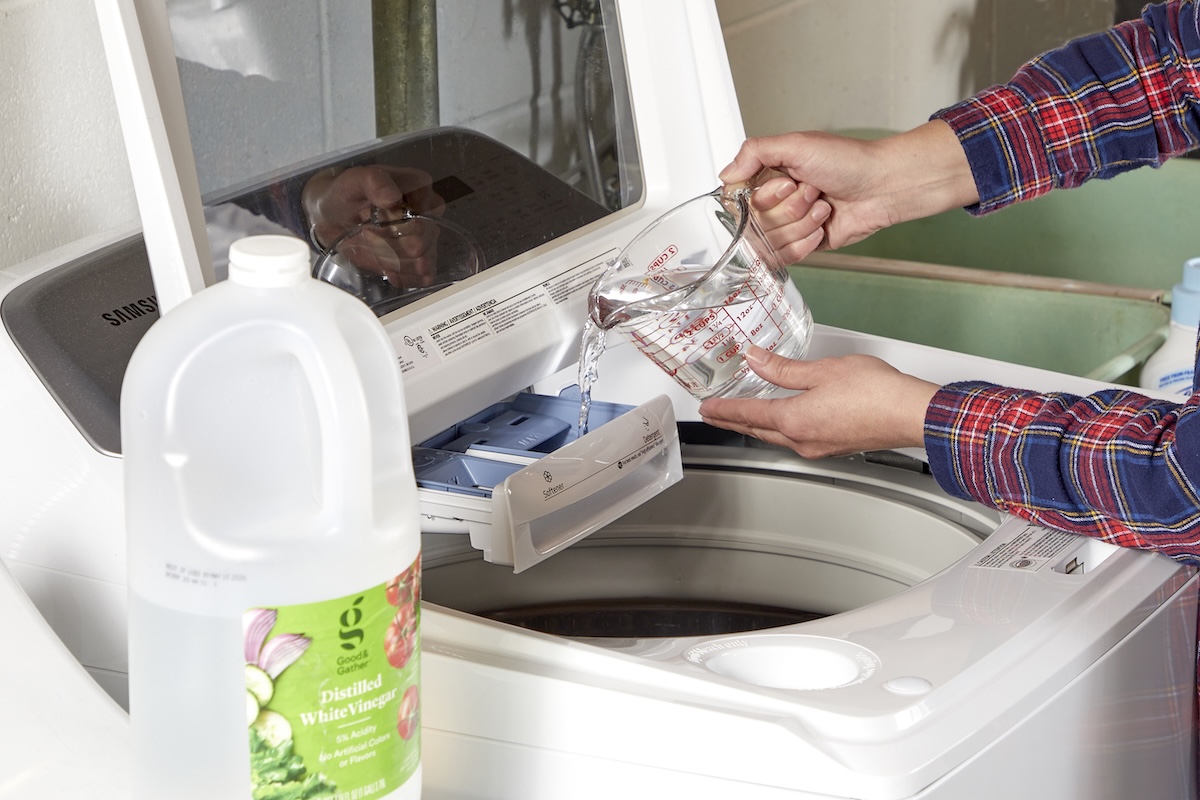
The detergent and water cycling through your washing machine doesn’t cut it when it comes to cleaning the appliance. Get rid of funky smells from the washing machine by deodorizing it with vinegar. Add 4 cups of white vinegar to a top-load machine or 2 cups to a front-load model and run it on the hottest cycle. When the agitator has mixed the vinegar and water, turn the machine off and allow it to sit for 30 minutes. Once the time is up, turn the washer back on and allow the cycle to finish.
Clean a Humidifier
Humidifiers do an excellent job of reintroducing moisture into dry spaces, but they can become hotbeds for mold and bacteria. Cleaning them frequently is a must! The good news is that humidifier owners don’t need to invest in any specially formulated products to clean and sanitize their appliances.
To clean a humidifier, empty the water and refill the tank with 1 cup of white vinegar and 1 cup of clean water. Shake the solution around to ensure it comes into contact with all of the interior surfaces of the tank. Allow the mixture to sit for 1 hour before rinsing the tank with cool water.
Swab Keyboard Crevices
Cleaning a desktop or laptop keyboard can be tricky, and many users are rightly wary of using cleaning products on their tech gear. A mixture of equal parts white vinegar and water can, however, be an effective and safe solution for cleaning out those hard-to-reach keyboard crevices. Dip a cotton swab into the liquid and squeeze out the excess as thoroughly as possible. Use the swab to carefully clean around each key.
Remove Chewing Gum
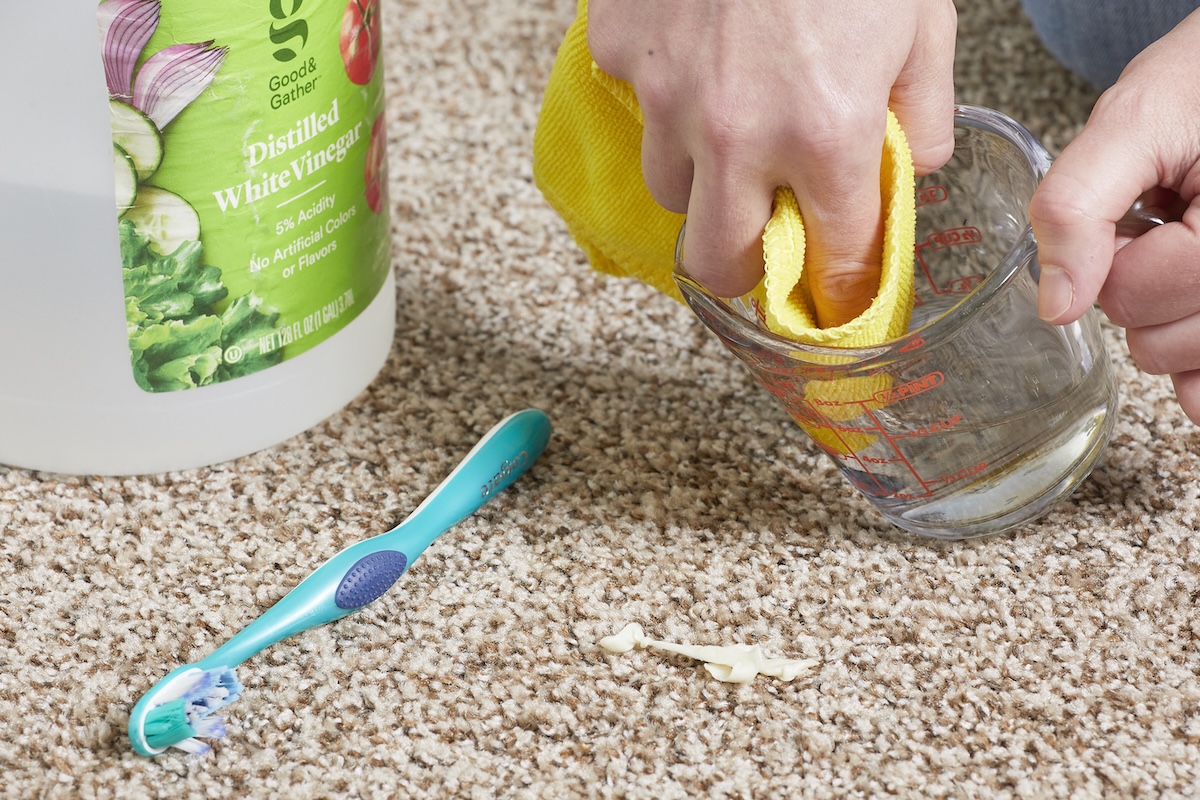
It can be frustrating to find chewing gum stuck to a piece of clothing or the bottom of a shoe. While the sticky substance can seem nearly impossible to remove, white vinegar can easily do the job. Use full-strength vinegar to rub or scrub the affected area until you can remove the chewing gum.
Disinfect Bird Feeders
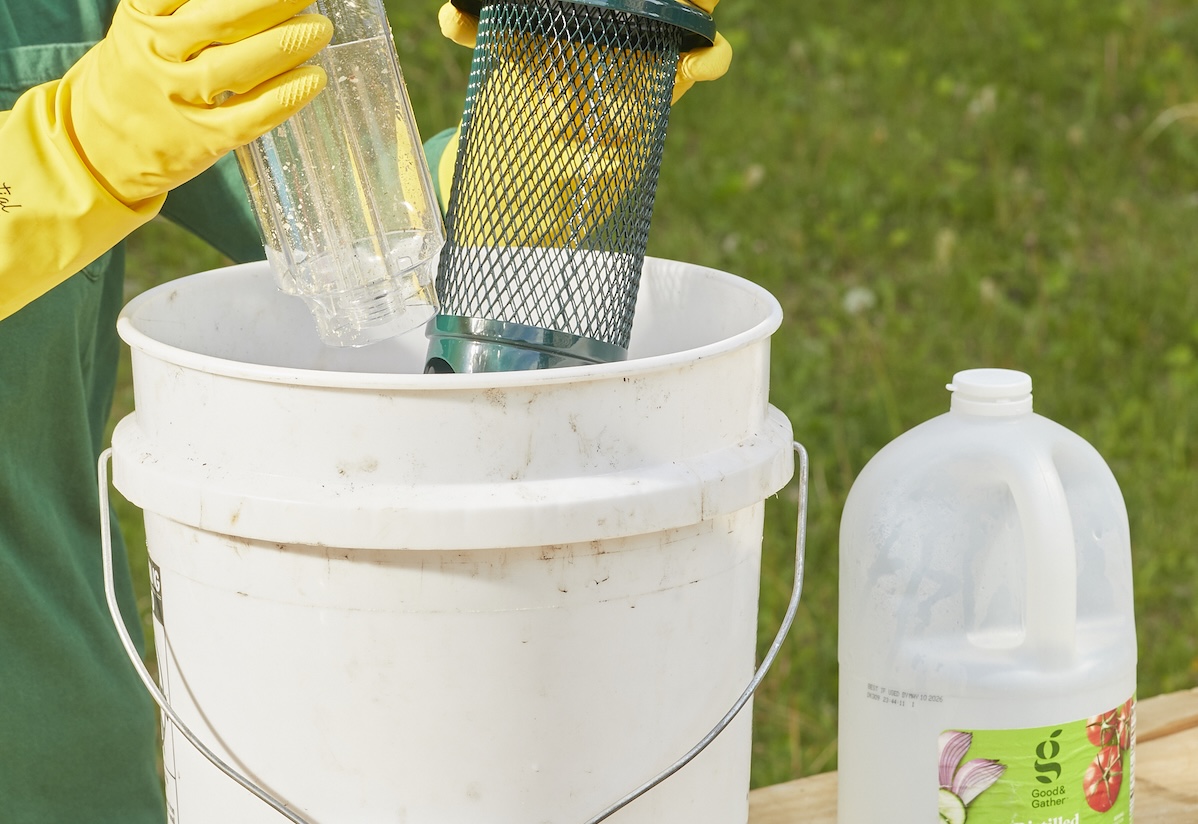
Vinegar is a natural disinfectant that kills pathogens like E.coli and salmonella, so it is a terrific and inexpensive option for cleaning bird feeders. Be sure to dump and disassemble the feeder before soaking it in a 1:1 vinegar-and-water solution.
Eliminate Water Stains on Wood
The best way to prevent water rings on wood furniture is to use a coaster, but if a guest forgets to do so and their beverage leaves a visible ring behind, there’s no need to panic. To remove the stain, create a mixture that’s equal parts olive oil and white vinegar. Use a microfiber cloth to rub it into the affected area.
Clean Tile Grout
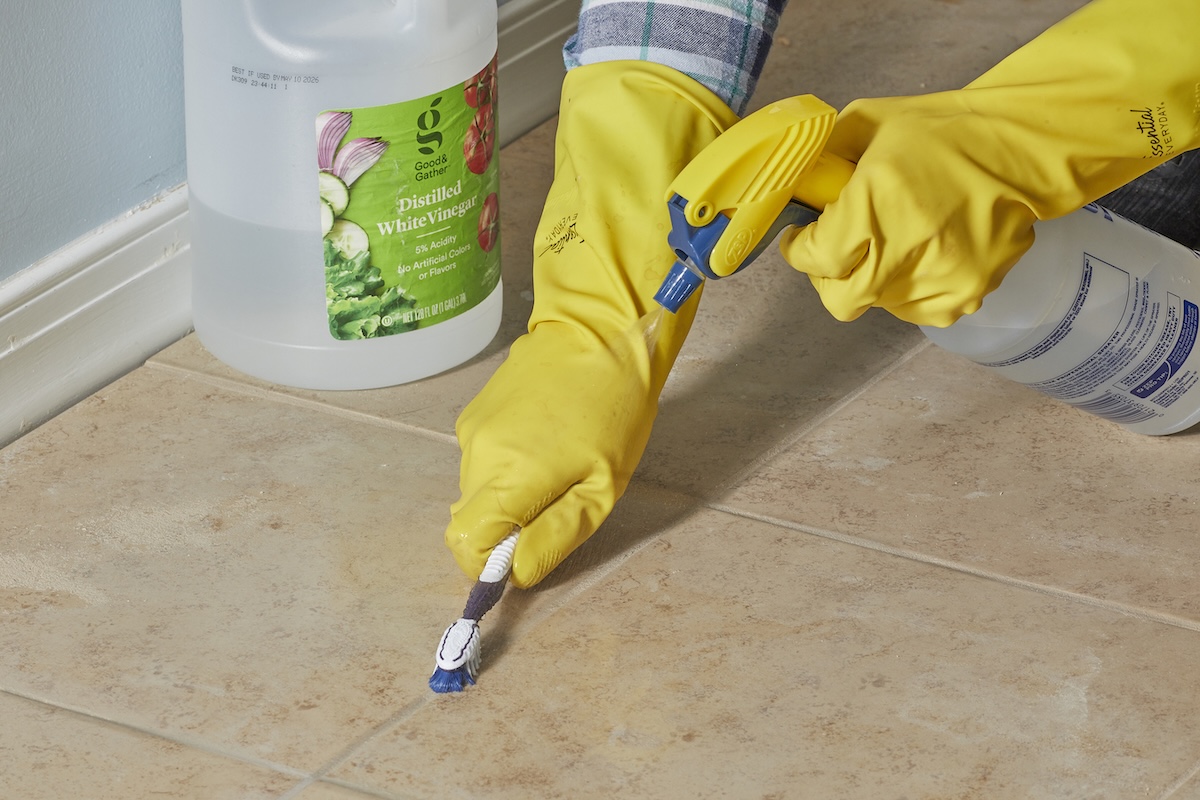
If your tile grout is looking dingy or has mild staining, clean the grout scrubbing it with vinegar and an old toothbrush can remove that dirt in a snap. Try this fix only if your grout is sealed—vinegar will corrode grout if it is unsealed.
Shine Silver
While there are plenty of commercial silver polishes that are designed to treat tarnished silver, one of the best solutions is probably already in your pantry. Silverware simply needs to be soaked in a mixture of ½ cup of white vinegar and 2 tablespoons of baking soda to restore it to its former glory. The same trick can also be used on silver jewelry.
Remove Duct Tape Residue
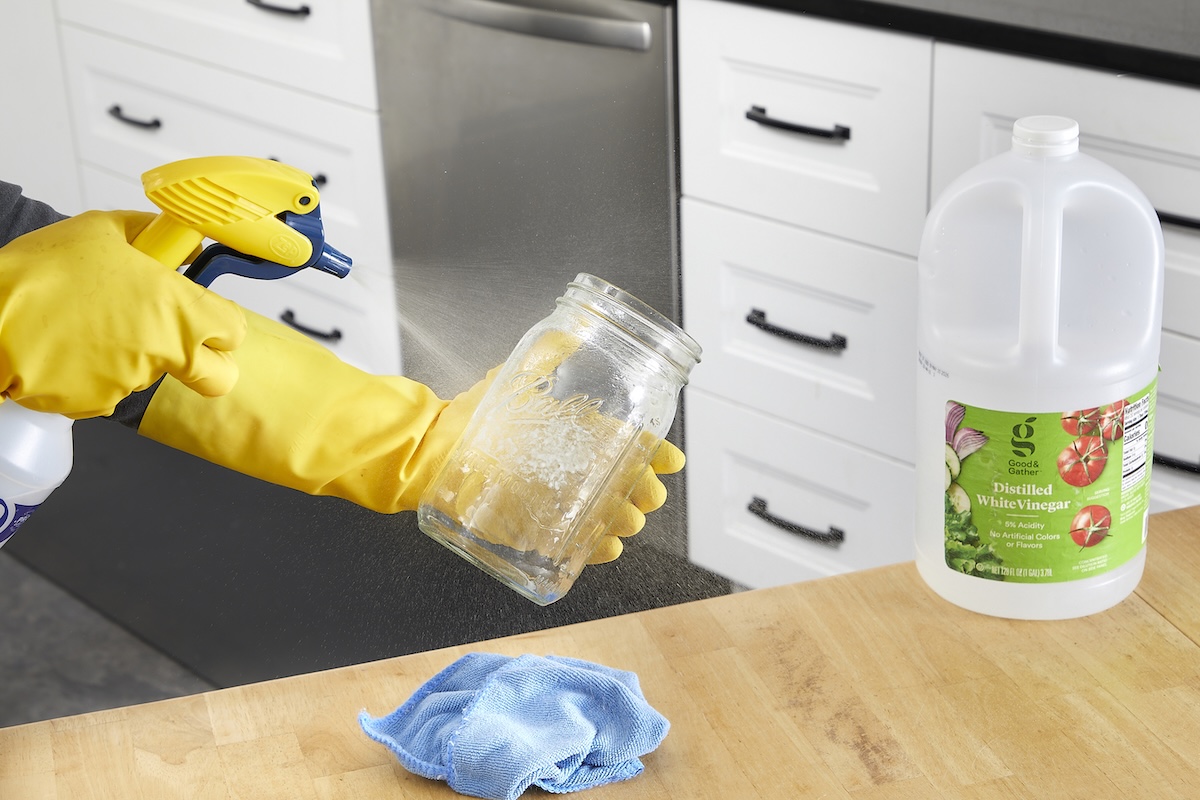
Mixing equal parts water and white vinegar in a spray bottle makes an effective duct tape adhesive remover. Spray on the affected surface, and let it sit for 5 or 10 minutes before scraping or wiping gently. (Do not spray this mixture on natural stone or wood surfaces, or any other surfaces that could be ruined by the acid in the vinegar.)
Clean the Microwave
Spills and splatters are inevitable in the microwave. Before you get scrubbing, make cleaning the microwave easier by loosening up the grime. Fill a bowl with equal parts white vinegar and water, and pop it into the microwave for 5 minutes or until it boils. Once the time is up leave it inside for another 3 to 5 minutes to allow the steam to soften things up. Then you can grab a cloth or sponge to wipe it away.
Get Rid of Candle Wax Residue
Pillar candles can be a great way to add ambiance to any room, but they can also leave a mess behind if their wax drips onto tables or other surfaces. Start by softening the wax by applying heat using a blow dryer. Use a paper towel to remove as much of the melted candle wax as possible, then use a mixture of white vinegar and water to get rid of any waxy residue that’s left behind.
Remove Buildup From Faucet Aerators
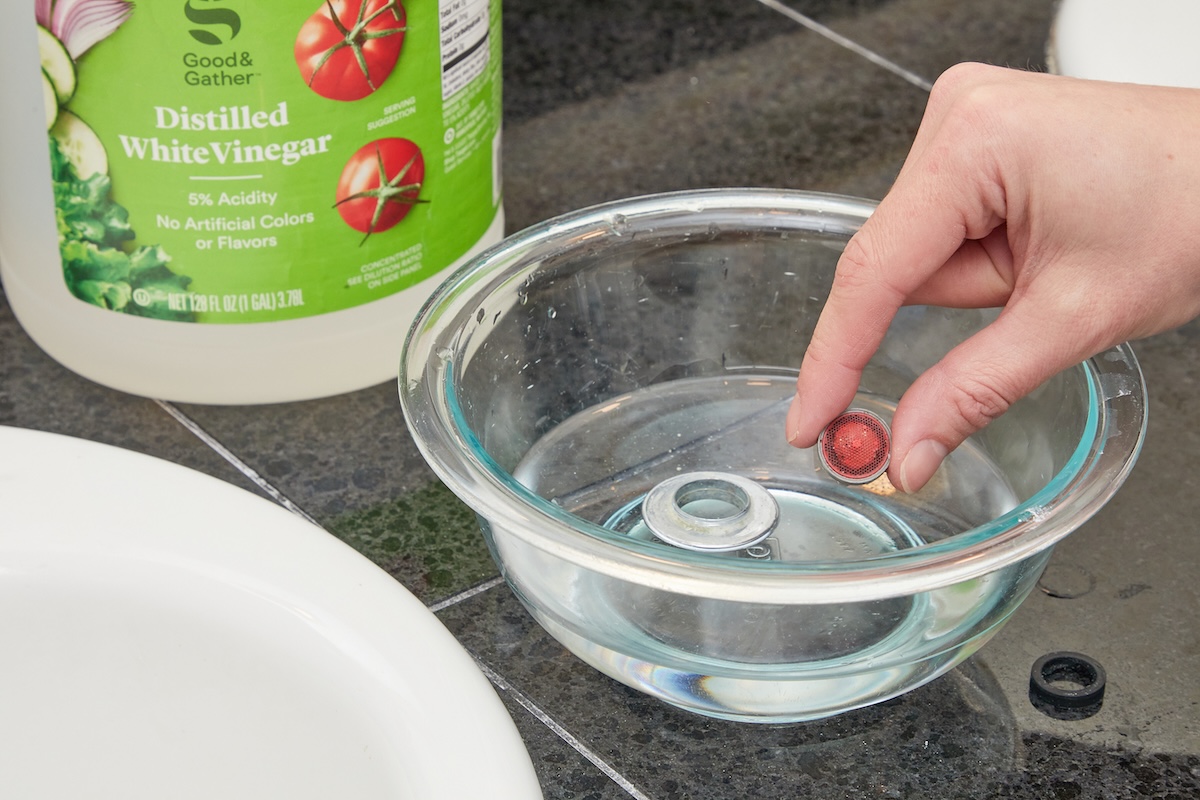
Faucet aerators that are clogged with mineral buildup can reduce water pressure, or cause your water to spray in an erratic pattern. This is an easy fix: Take the aerator apart, and clean the faucet aerator by soaking it in a bowl of vinegar and scrubbing it with an old toothbrush.
Descale a Kettle
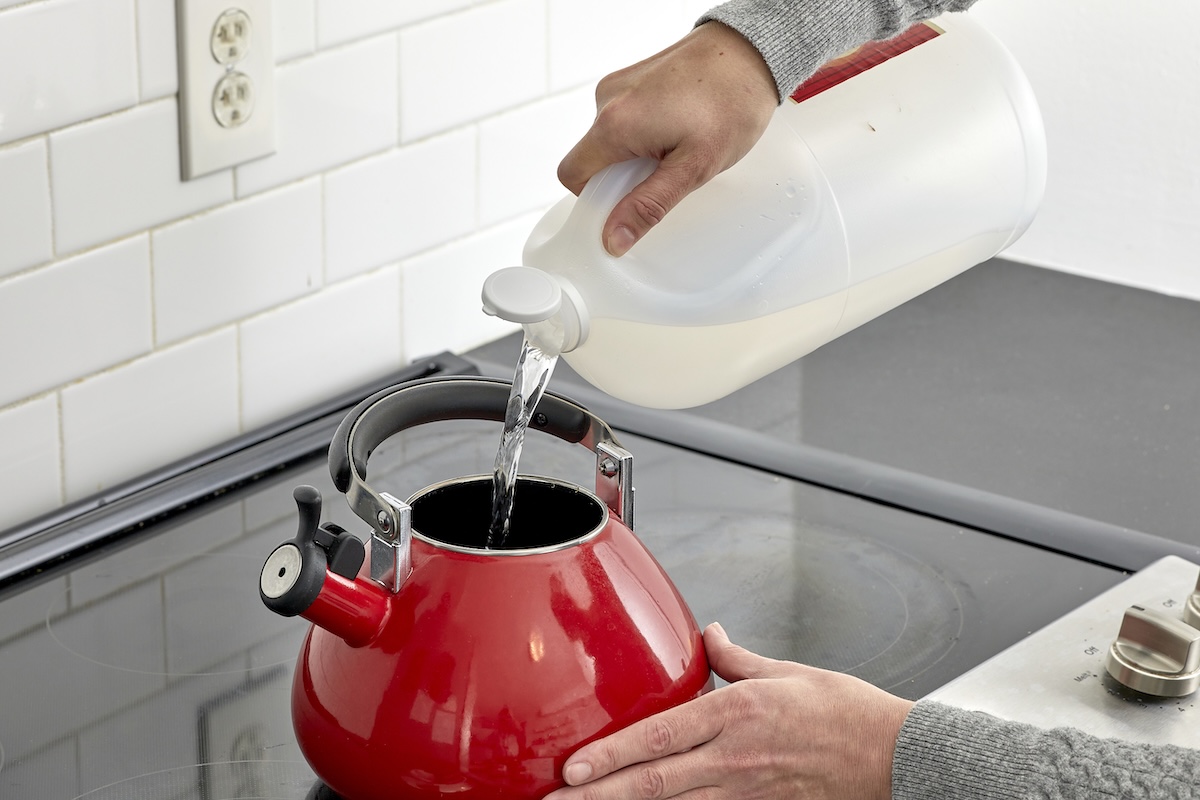
If your English Breakfast doesn’t taste quite right, it could be because your tea kettle needs to be descaled. A solution of cold water and white vinegar can do the trick. Bring the solution to a boil and then let it sit for at least 30 minutes.
Remove Salt Stains
If you live in a region that gets lots of snow, you’re probably familiar with the struggle of removing salt stains from winter boots. While salt helps to prevent slipping and sliding on roads and sidewalks, it leaves behind a chalky white residue on shoes. Mix 1 tablespoon of white vinegar into 1 cup of water, then use a microfiber cloth to wipe off your footwear.