We may earn revenue from the products available on this page and participate in affiliate programs. Learn More ›
For most homeowners, an empty closet is an open invitation to stack and store everything from seasonal gear to extra household supplies. But if that space contains your home’s HVAC, electrical, or water equipment, then treating it like a standard walk-in closet is a recipe for property damage, such as a house fire.
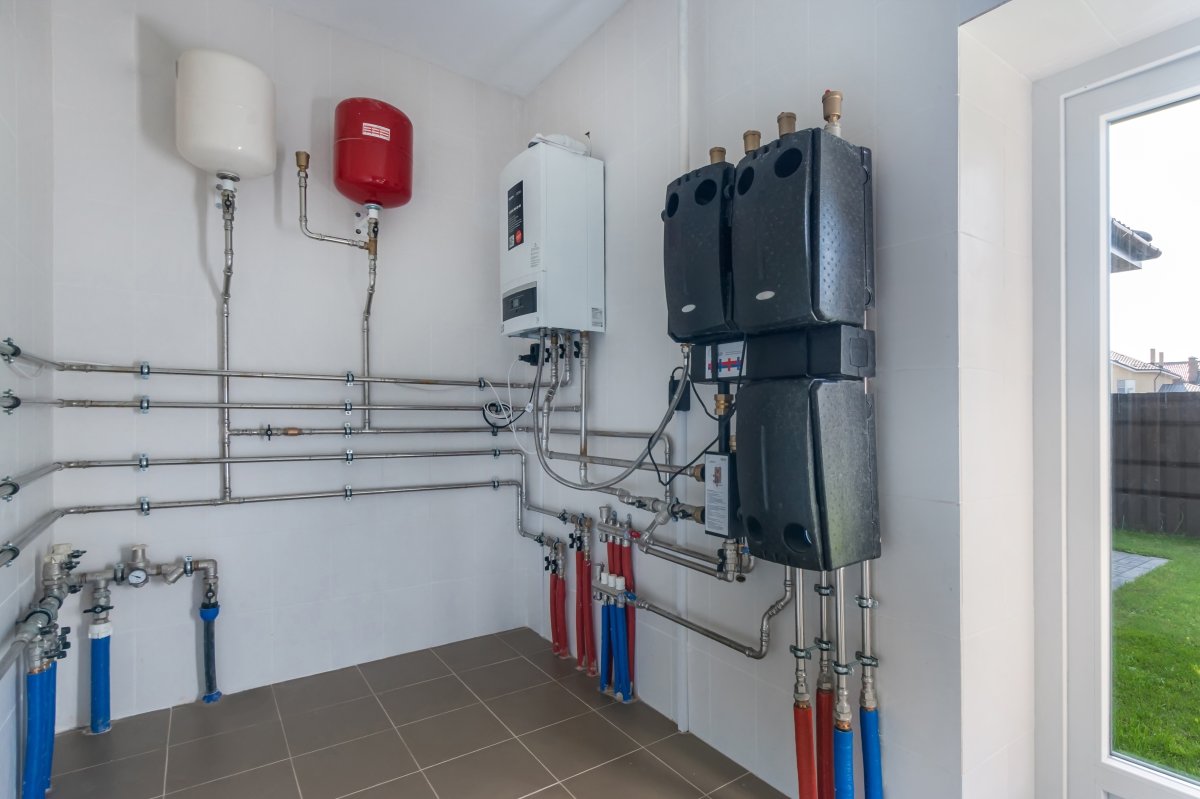
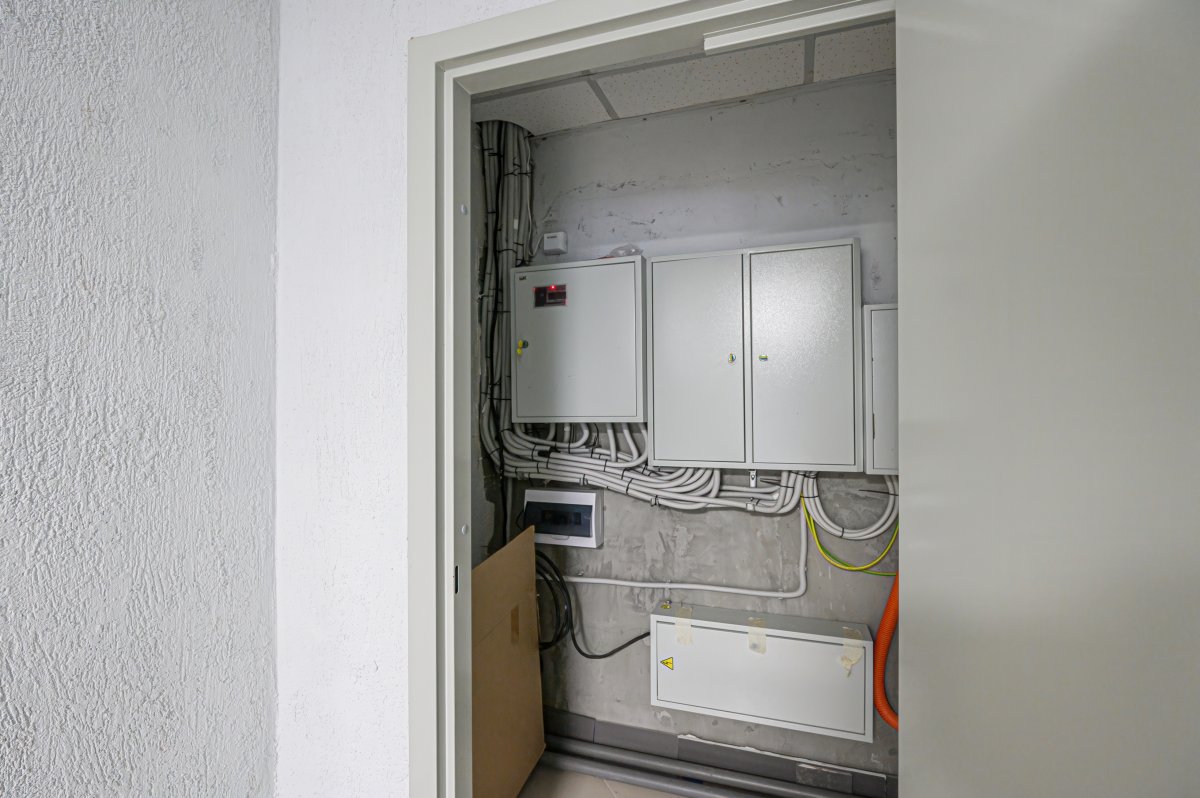
Also commonly referred to as a utility closet, your home’s mechanical closet is a dedicated space in your home for essential mechanical systems. “Think of it like the engine room of your house, where all the internal systems are centrally located,” says T.J. Laury, a licensed HVAC technician and president of Ben’s ProServ in Vineland, New Jersey. Typically, a mechanical closet houses the HVAC system, water heater, furnace, air handler, water softener, electrical panel, and/or plumbing shut-off valve. “If you have a technician over, they will need to be able to easily access the equipment and work safely, so it’s best to not store anything at all in this space and to keep the area in front of it clear for easy access,” explains Laury.
To help protect your equipment and your household, we asked HVAC and plumbing pros to identify four common household items you should never store in the mechanical closet and should instead move to a safer spot immediately.
1. Paint and Solvents
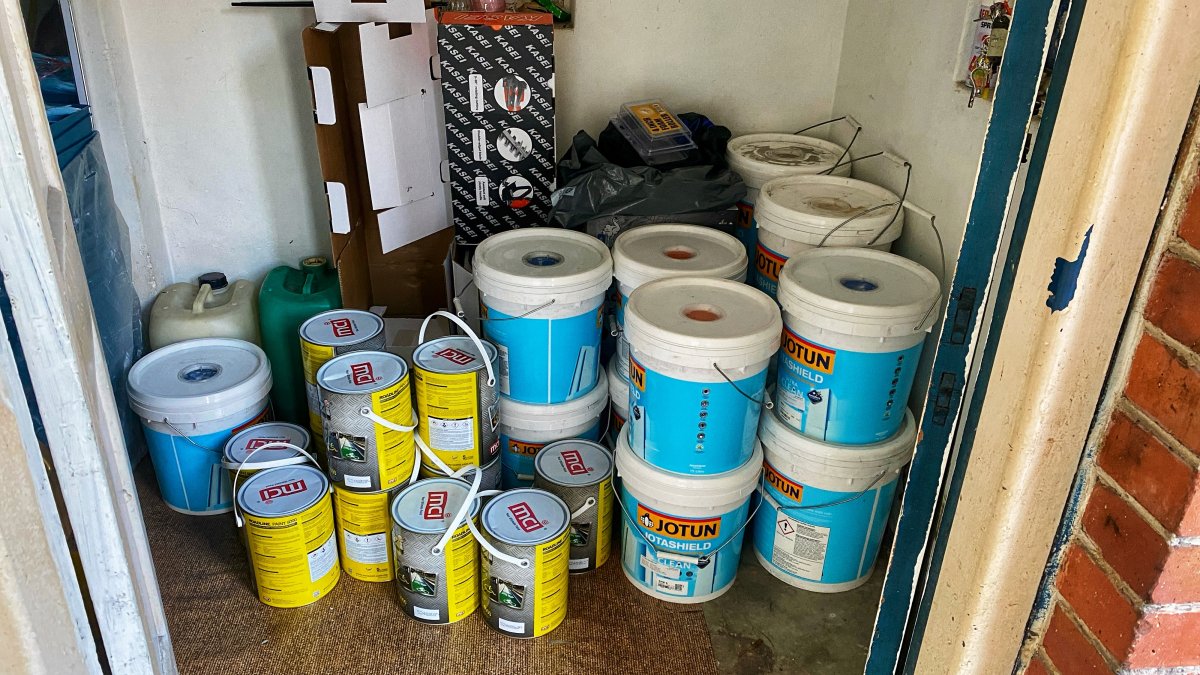
Never store flammable materials, combustibles, or aerosols in the mechanical closet. “Paint, solvents, and other flammable chemicals must be kept outside of a mechanical closet because they have the potential to start a fire caused by ignition by furnace gas burners or electronic igniters,” says Douglas Conner, home improvement expert and owner of Universal Windows Direct in South Amboy, New Jersey. This includes paint thinner, kerosene, gasoline, lighter fluid, and spray paint. Conner suggests keeping these types of items in a detached garage or an outdoor locked shed, far away from HVAC equipment.
2. Cardboard Boxes and Paper Goods
Avoid storing paper products and cardboard boxes in your utility closet. “The cardboard box material is very flammable and, therefore, must not be stored within the mechanical closet since the heating equipment poses a fire hazard to any nearby material that can catch fire,” says Conner. Plus, if the water heater leaks, the box and all contents inside will be ruined, notes Laury.
Finally, Isaac Daniels, a licensed plumber and founder of Plumbing Picks in Georgia,
warns against setting up boxes that block the required combustion-air openings and service clearance. “They wick water, so the slow temperature-and-pressure-valve drip you would only have caught as a puddle becomes a moldy surprise months later,” says Daniels.
Better storage spots for paper goods include in regular closets, on shelves in the basement, and in the garage away from the HVAC area.
3. Cleaning Supplies
Similar to paint and solvents, avoid storing cleaning supplies in the mechanical closet. “Cleaning supplies, which include aerosols and gasoline, cannot be stored in a mechanical closet since they give off vapors that may ignite due to being too close to a furnace pilot light, causing explosions or fires,” warns Conner. Instead, he recommends storing these flammable products in a laundry room closet, an outdoor shed, or another designated space away from any heat sources.
Brooms, mops, dust busters, and vacuums should also stay out of the mechanical closet. “When leaned against the water heater, they can knock gas controls out of position,” explains Daniels. “Or they can end up sitting in the drain pan; a damp mop rusts the pan and tank skirt.” Better storage options for these materials include a broom closet or hanging on wall hooks.
4. Clothing
Any type of fabric, from excess crafting supplies to seasonal clothing, should also not be kept in the mechanical closet, says Laury. “Like the previously mentioned items, fabric, linens, and clothing are all flammable, so storing them in the mechanical closet is a fire hazard,” explains Laury. “Keep these items under a bed or stored in a bedroom closet instead.”