We may earn revenue from the products available on this page and participate in affiliate programs. Learn More ›
According to a 2024 study by researchers at Dartmouth, 50 percent of adult black-legged ticks carry the bacteria that cause Lyme disease; a quarter of the tick nymphs harbor the bacteria. More recently, The Independent UK reports indicate that Borrelia mayoniim, a bacterium that causes a more severe form of Lyme disease than the more common Borrelia burgdorferi, was discovered in New York State. While the statistic is sobering enough to that caused by ticks picked up in the course of common backyard activities like barbecuing, gardening, and playing on the swingset. Keep these insects away with simple landscaping tips that will help you foster a safer, tick-resistant outdoor environment.
1. Keep the Yard Tidy

Remove leaves, branches, and debris from your property before they become hiding places, not only for ticks, but also for the rodents and other creatures (squirrels, rabbits, raccoons) that carry the ticks. Make sure garbage cans have tightly fastened lids to avoid attracting the host animals.
2. Move Attractants to the Edge of Your Property
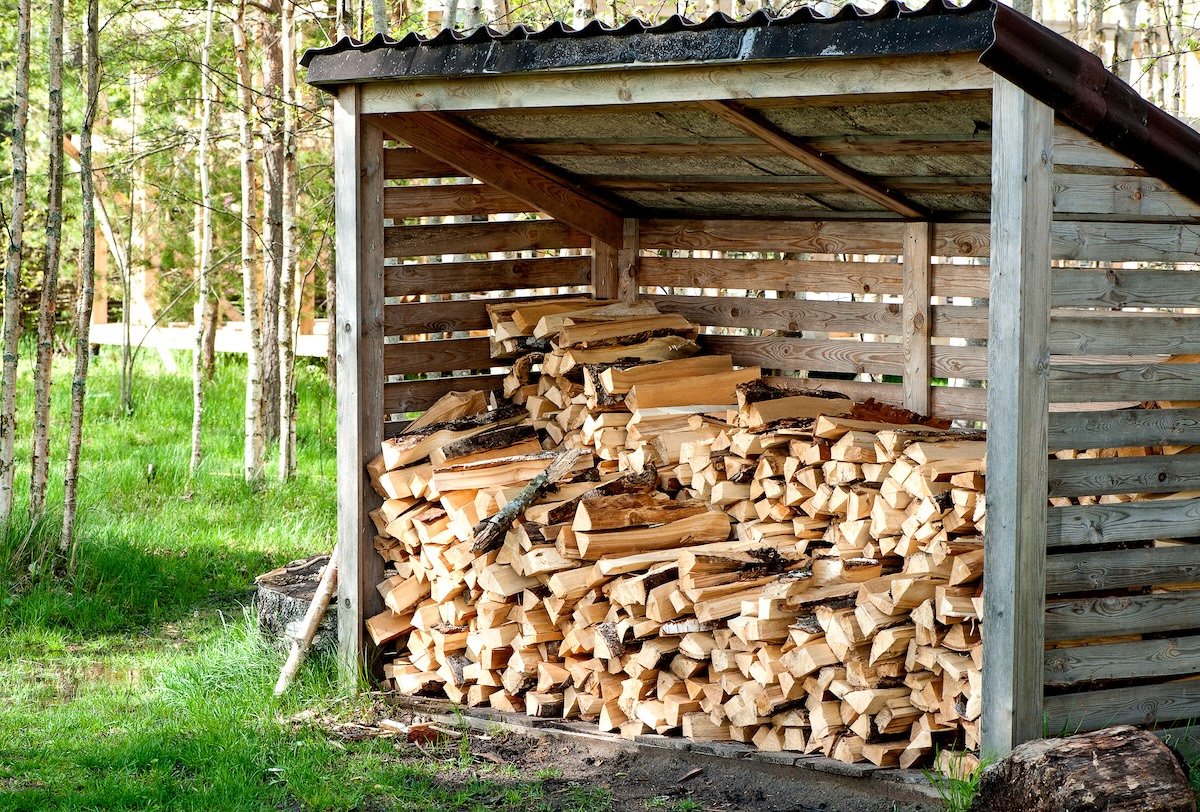
Stack firewood and compost heaps well away from the house and outdoor areas where your family congregates. The same goes for bird feeders—bird food, wood, and lawn debris all attract small animals, and ticks will indiscriminately hitch a ride on everything from robins and finches to mice and shrews.
3. Give Your Grass Some Light
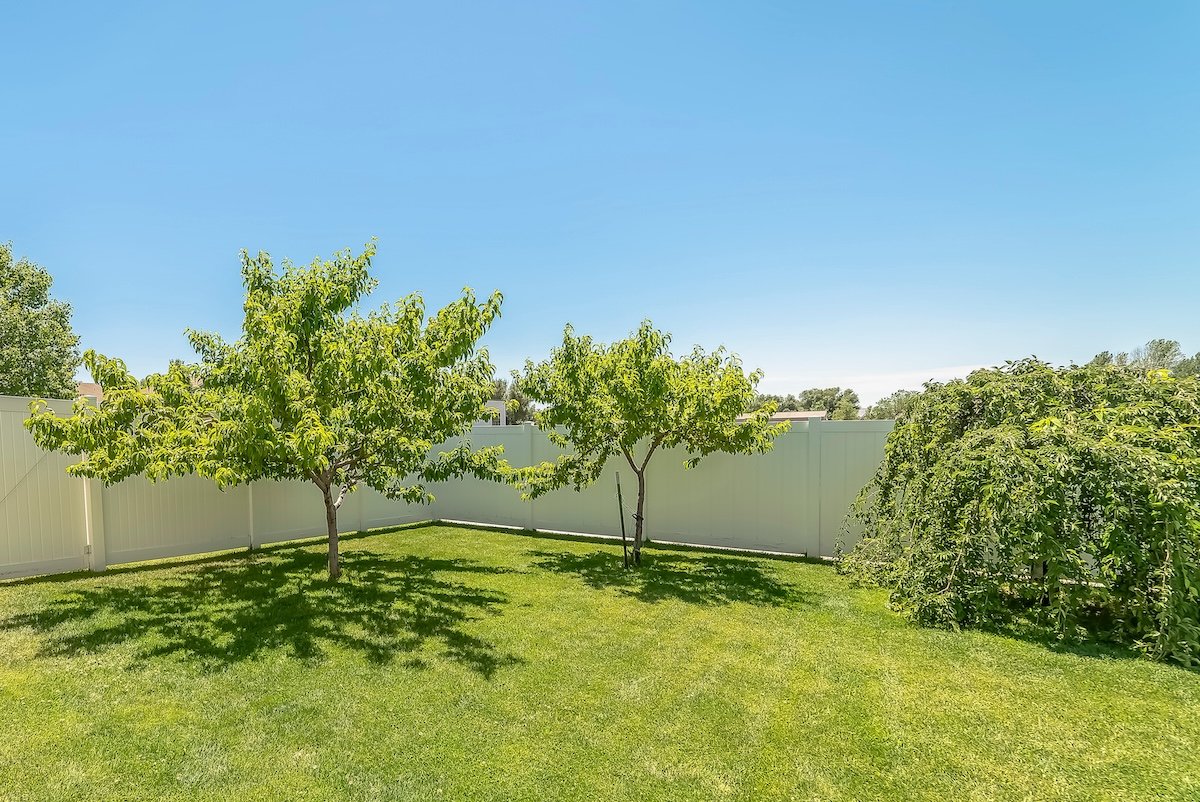
Ticks thrive in humid, dense vegetation. Keep your grass cut short, and expose as much of your yard as possible to direct sunlight. Avoid using dense groundcover plants like pachysandra and ivy, and eliminate brushy areas close to the house.
4. Build Wide “Tick Moats” Around Your Lawn
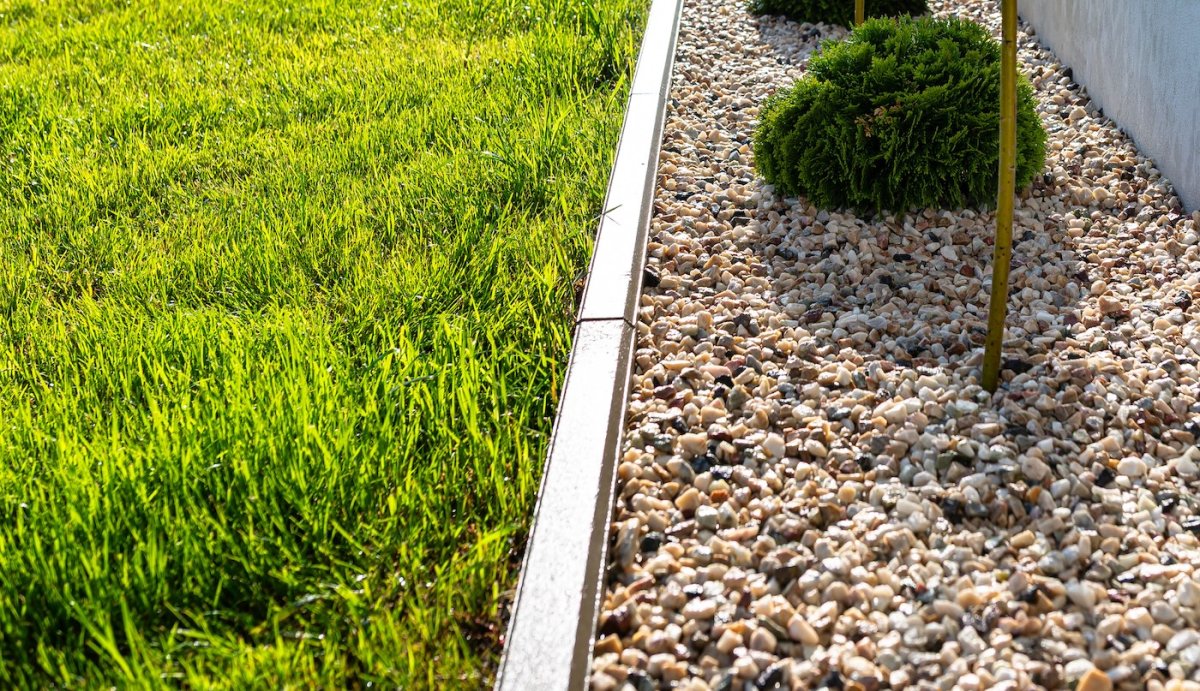
Lay 3-foot-wide gravel, stone, or wood-chip barriers along the edges of stone walls, ornamental gardens, and woodlot perimeters. Think of these barriers as tick moats: Any border created between your home and the environments where ticks thrive will contribute to your family’s well-being.
5. Clear a Path

Create gravel, wood chip, or stone pathways to connect the house with heavily used outside areas, and encourage kids and adults to stick to the paths. Adding an edge or border will keep ticks far away from people’s feet, with the added benefit of containing loose landscaping material like mulch.
6. Let the Kids Play in the Sun
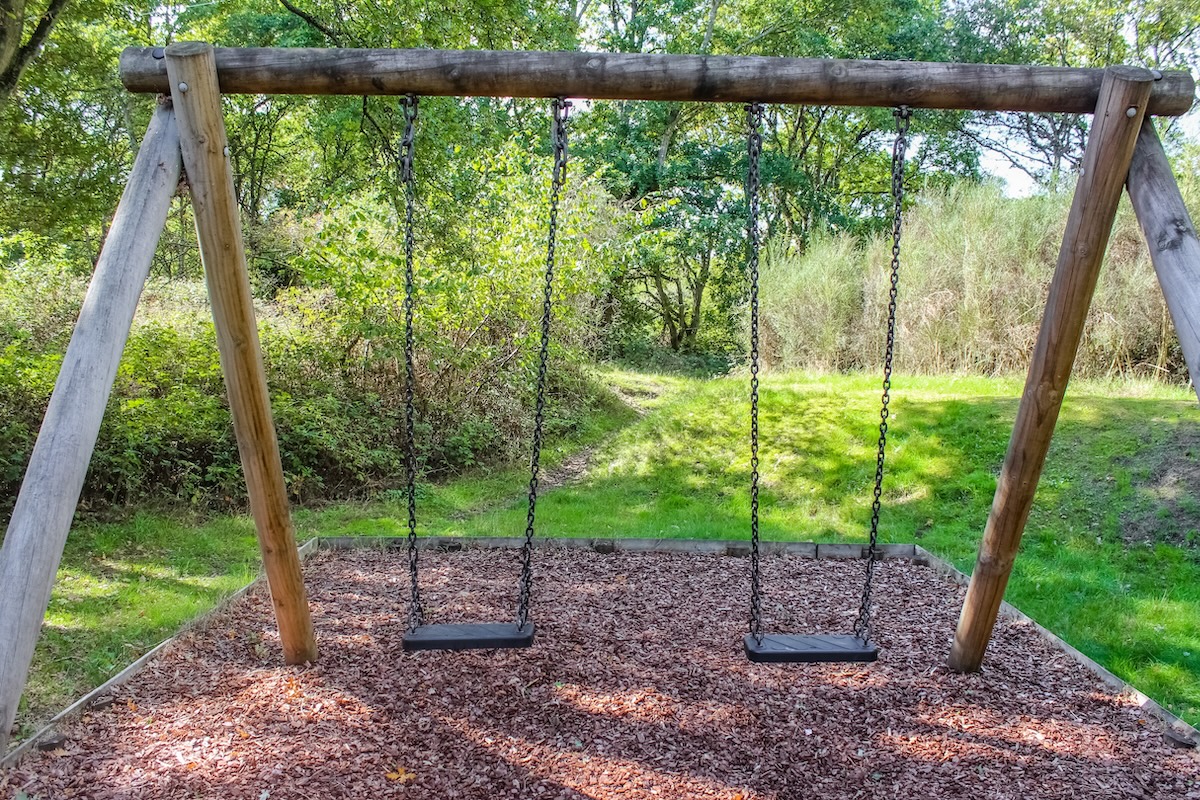
Place children’s swing sets and slides on wood-chip beds in sunny areas. For an added measure of protection, keep kids’ play areas at least 10 feet away from shady, wooded environments.
7. Experiment With Xeriscaping

Incorporate xeriscaping techniques into your landscaping. Xeriscaping involves plants that thrive in the drier environments that repel ticks. Some popular plants with low water requirements include aloe vera, stonecrop sedum, purple fountain grass, yellow pampas grass, Mexican feather grass and blue oat grass.
8. Make Uncomfortable Garden Beds
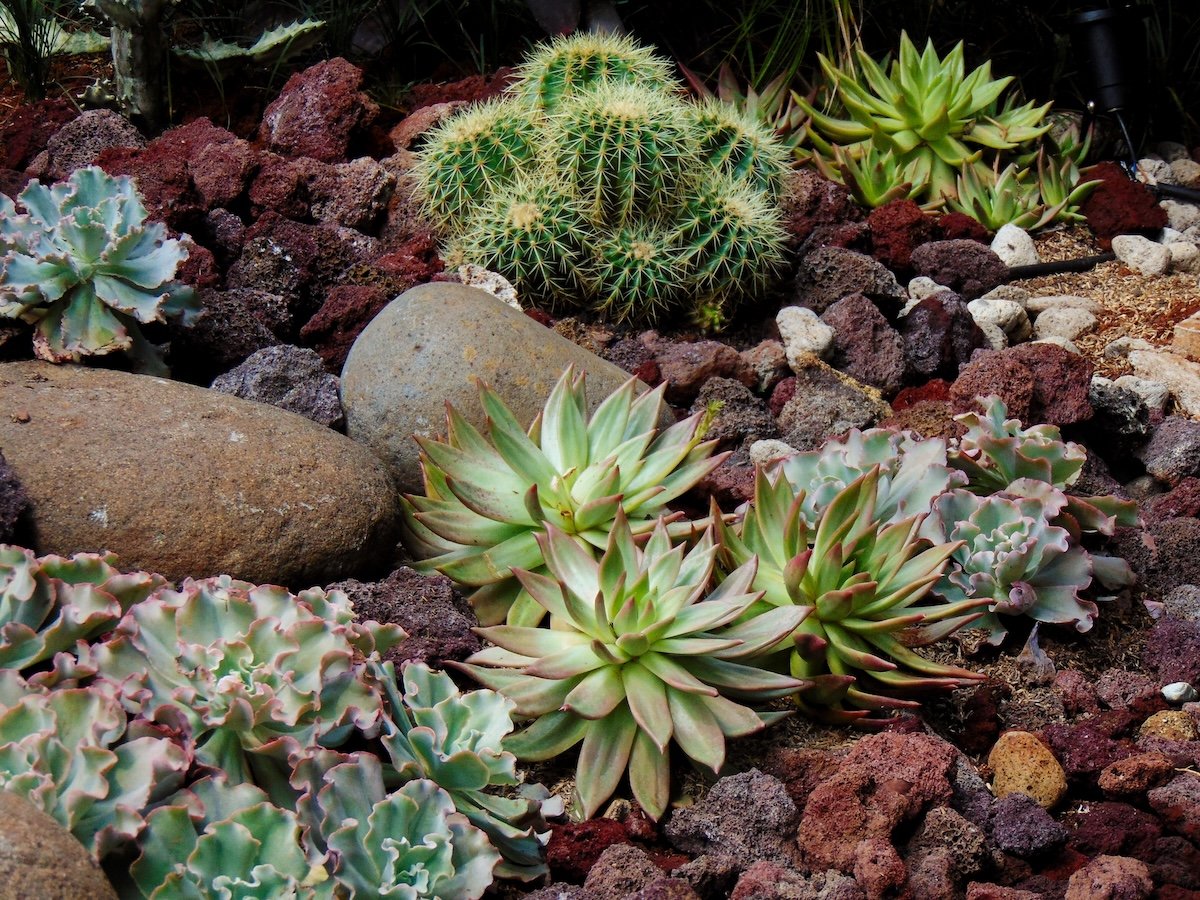
Use lava rock or pebble mulch in garden beds to render these areas less hospitable for ticks. Rough textures not only provide an added level of protection, but they also bring extra curb appeal to your home in the bargain.
9. Build Lawn-Free Areas
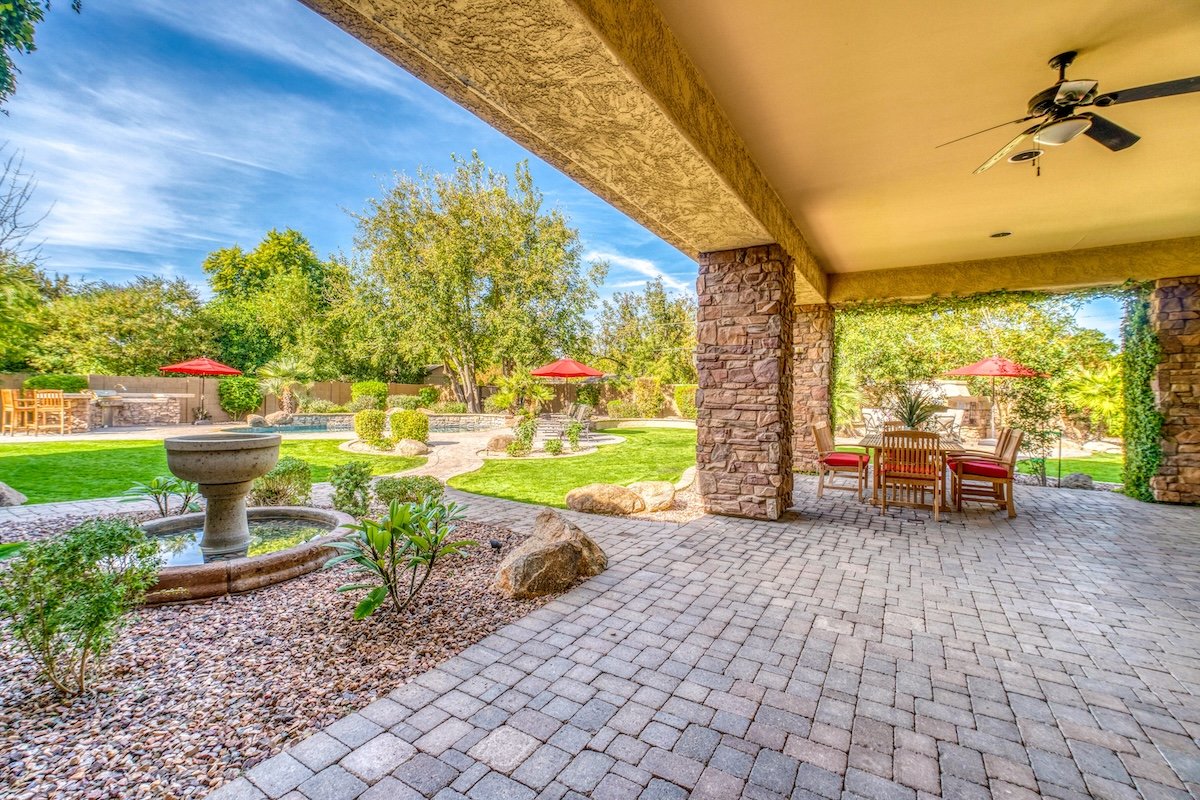
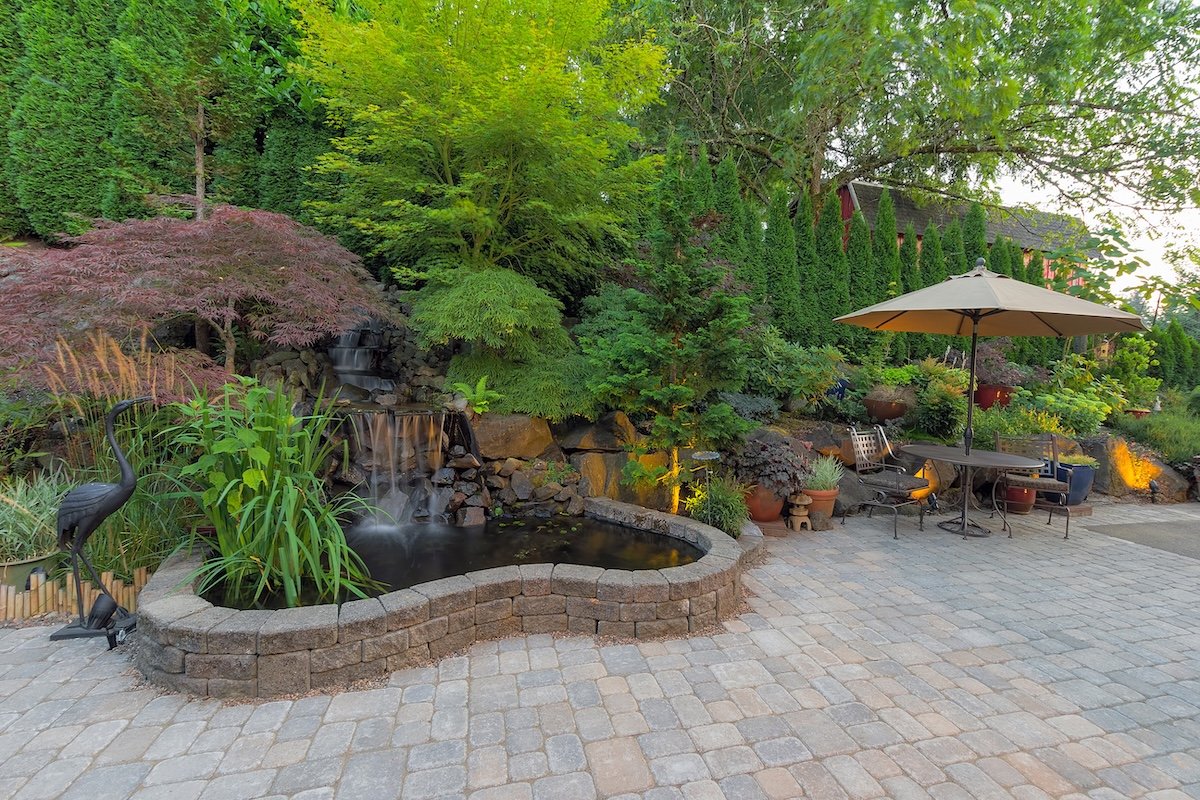
Use flagstones, patio blocks, paving stones or decking to define spaces for picnicking or barbecuing. The more lawn-free surfaces you can create, the less likely ticks are to appear.