We may earn revenue from the products available on this page and participate in affiliate programs. Learn More ›
Compost is a great way to improve the health of your garden or lawn. Since compost releases nutrients gradually, it’s an excellent long-term solution for building quality soil. Still, it’s important to know what’s in the compost you use so you don’t harm your plants or even introduce unwanted weed seeds or pathogens into your garden soil.
Here are seven types of compost that you can make or buy, along with information on their benefits, instructions for their use, and our recommendations for selecting the best compost for your garden.
Benefits of Composting
Compost is organic material that is added to soil to start microbial activity, replenish nutrients, and improve the soil’s structure. While fertilizers can boost flower or fruit production or the greening of grass, compost offers a slower, long-term approach. Like organic mulch, compost improves soil over time. But unlike mulch, which is typically laid over soil, compost is usually mixed into the soil, where its organic matter can break down more quickly, improve drainage, and loosen compact soil.
Compost is generally not high in any particular nutrient, but regularly adding balanced compost to garden soil helps support the production of new microbes and nutrients. As a bonus, compost often comes from diverted waste, such as kitchen scraps, manure, or leaf debris, or from byproducts of the harvesting and farming of crops like mushrooms or coconuts. Using compost in home gardens reduces waste and returns organic materials to the earth.
Common Types of Compost
Most types of compost are easily purchased online or locally. In addition, you can make your own compost using kitchen scraps, grass clippings, and other plant waste. Learn more about the different types of compost below.
1. Multipurpose Compost Mixes
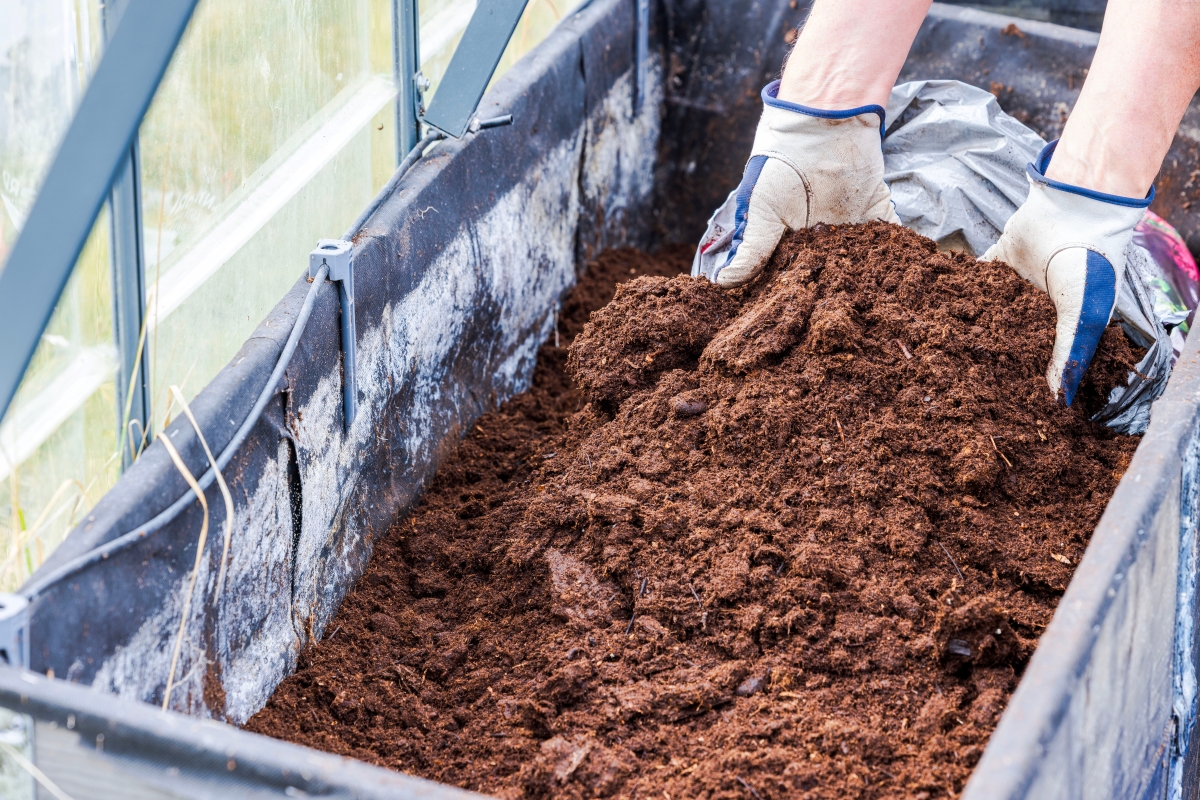
All compost mixes should contain organic ingredients only, and a balanced mix is best. “There are mixed compost blends that are great for general-purpose planting,” says Ward Dilmore, founder and head landscape designer at Petrus Landscaping in the San Francisco area. Dilmore says these mixes are typically sourced from municipal green waste rather than manure. “They are a fantastic choice for improving the soil of an older planting bed or for adding to a vegetable garden before a growing season,” he says.
A multipurpose mix can enrich or replenish potting mix in containers and improve garden soil. A balanced compost encourages microbial activity in the soil, helping to build long-term soil health beyond the temporary quick fix typical of fertilizers. As the name implies, multipurpose compost mixes work well for a variety of plants, including vegetables, and in a variety of soil types.
Best For: Improving general soil health with one all-purpose product
Our Recommendation: 24-Pound Bag of Espoma Organic Land & Sea Gourmet Compost at Amazon for $27.21
The top pick in our guide to the best bagged compost, this all-purpose mix is packed with beneficial microorganisms to improve soil health.
2. Food Scrap Compost
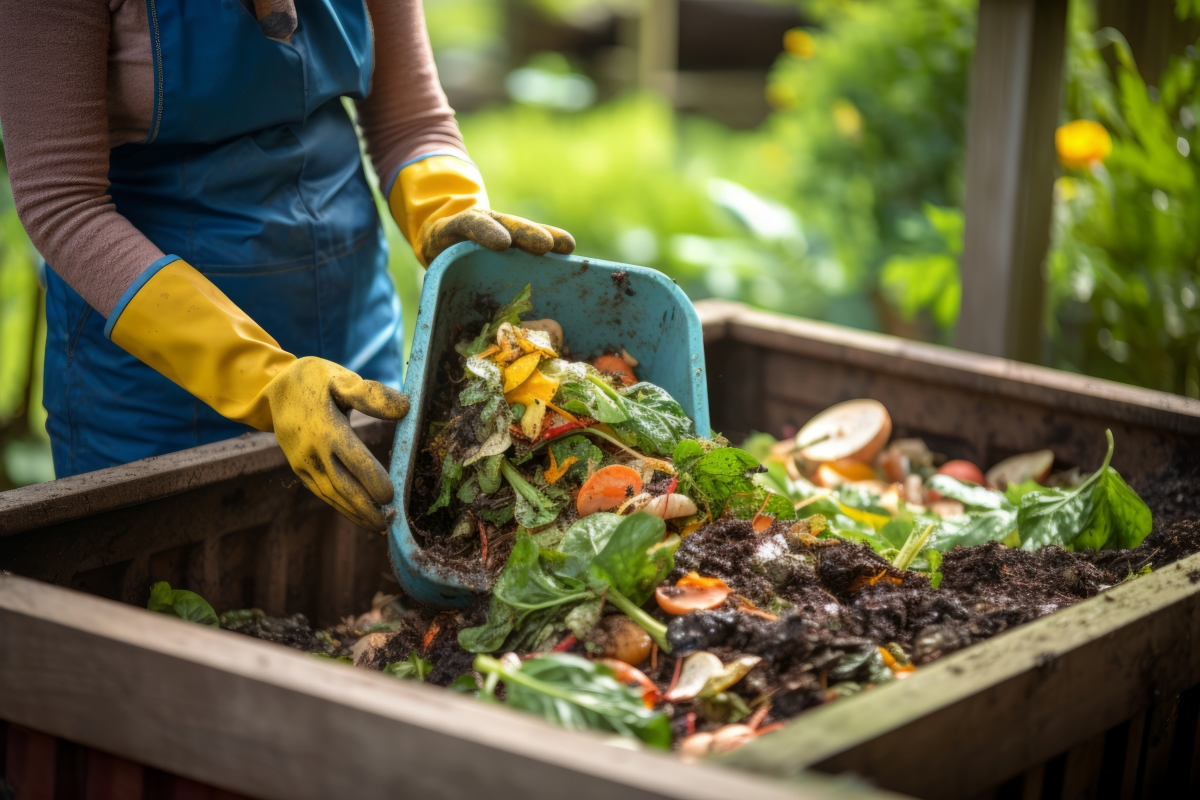
“The best compost usually comes from small local farm operations,” says Michelle Balz, solid waste manager at Hamilton County ReSource in Cincinnati, Ohio, and author of No-Waste Composting and Composting for a New Generation. “If you can find compost from food scrap composting, it will have more available nutrients for your plants,” Balz adds. Many municipalities offer resources listing local farms and composters, or check with your local farmers market or farming council.
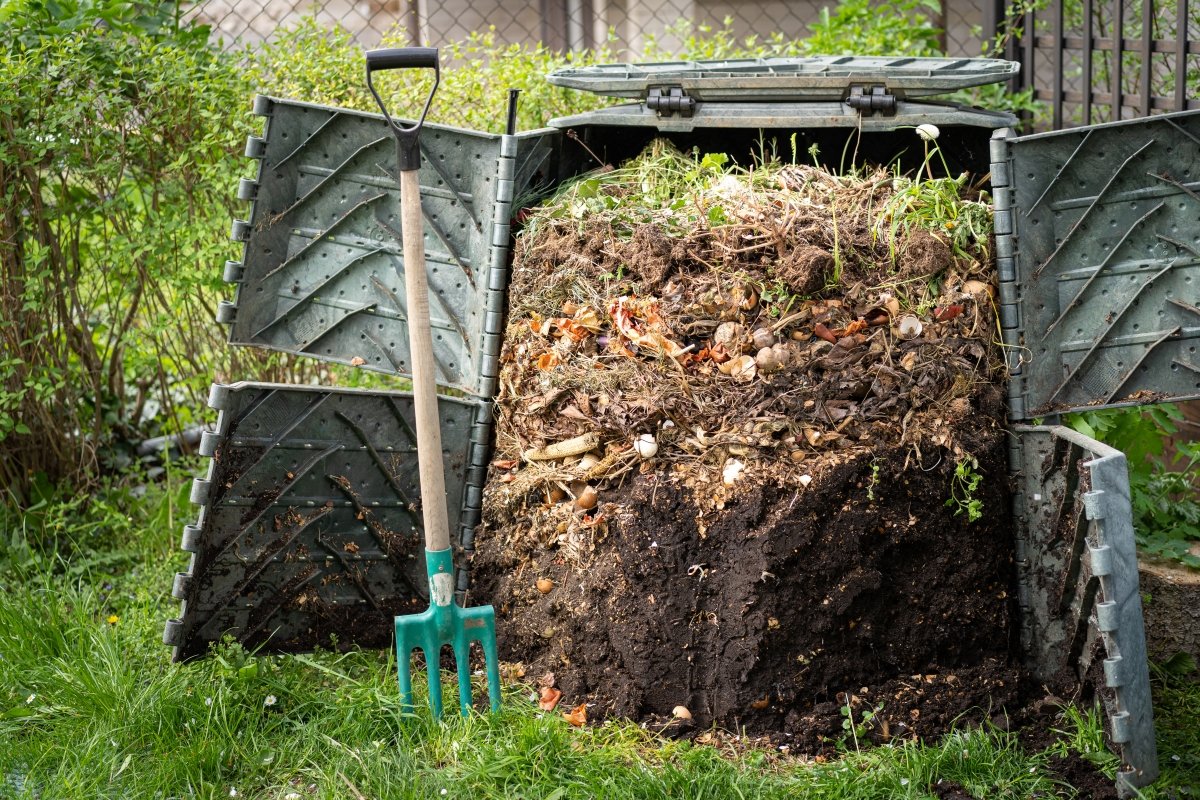
Another option is to DIY compost with household food scraps. All you really need is a quality compost bin or tumbler to turn kitchen waste into a rich organic additive for your garden. The US Composting Council provides links to local sources to help you succeed at backyard composting.
Best For: Adding a wealth of available nutrients to vegetables and other plants
Our Recommendation: RSI Maze 65-Gallon Compost Tumbler at Amazon for $289.99
The top pick in our guide to the best compost tumblers has dual chambers that hold plenty of food and yard waste and an easy-turn crank for mixing.
3. Farm Manure
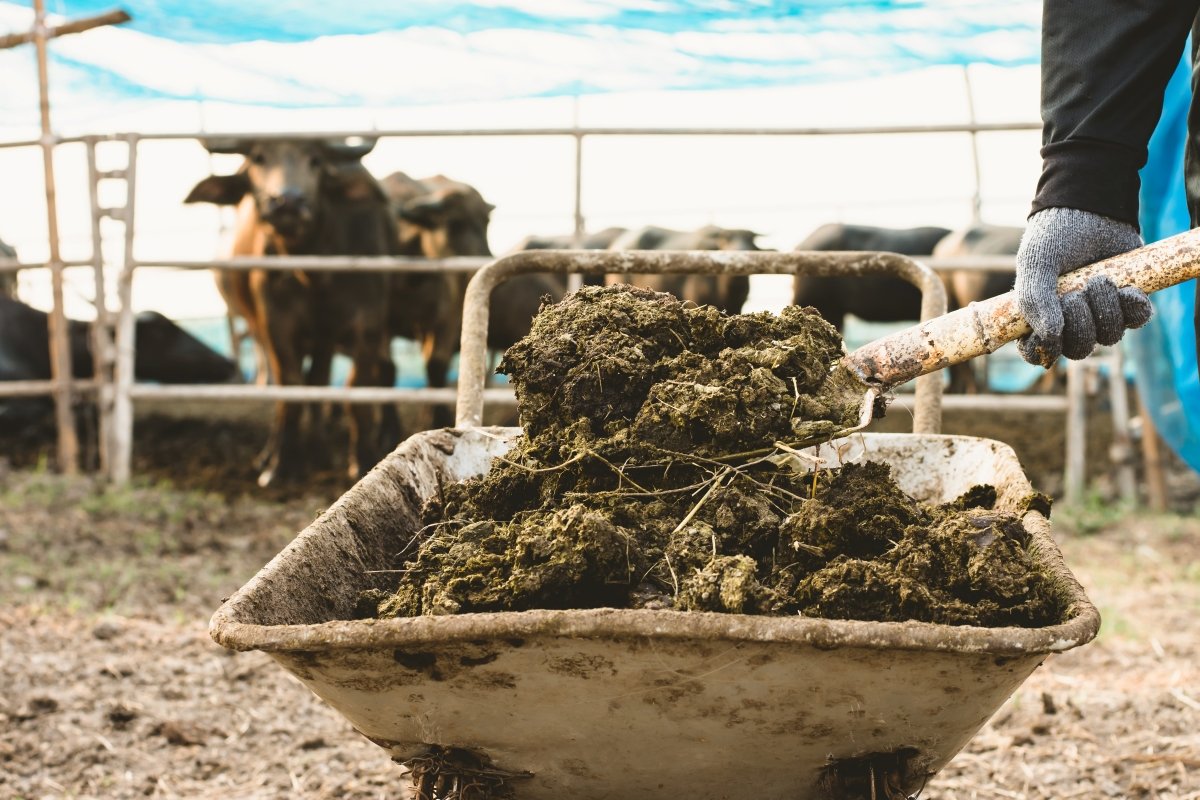
Farms are also excellent sources for manure-based compost. “Be careful with farm manure, though,” says Balz. If you’re receiving it from a friend or neighbor, ask how long it has been composted to ensure quality. Horses’ digestive tracts don’t break down weed seeds well, and the manure might contain those or traces of medications given to the animals. “Waiting at least 6 months to apply manure will give it enough time to break down,” says Balz. She adds manure to her home compost pile and lets it break down with other ingredients.
Dilmore says that most commercially bagged manure products come from cow, horse, goat, and sheep farms. He and Balz agree that these bagged manures are likely aged and ready to use when you purchase them. Regardless, don’t overuse farm manure. “Continuously adding manure compost can create excess nutrients and salts in the soil,” says Dilmore. Manure compost can burn plants if it’s not aged or if it’s overused. Never put pet manure in compost or a garden, especially in an edible garden. “It can contain pathogens that will not be killed even when composted,” he adds.
Best For: Enriching compost piles or adding beneficial microbial activity to a garden bed
Our Recommendation: 35-Pound bag of Black Kow Cow Manure Compost at Amazon for $27.29
The budget pick in our guide to the best bagged composts, Black Kow is an affordable but high-quality bagged manure compost that leaves no odor and distributes evenly.
4. Green Manure/Cover Crops
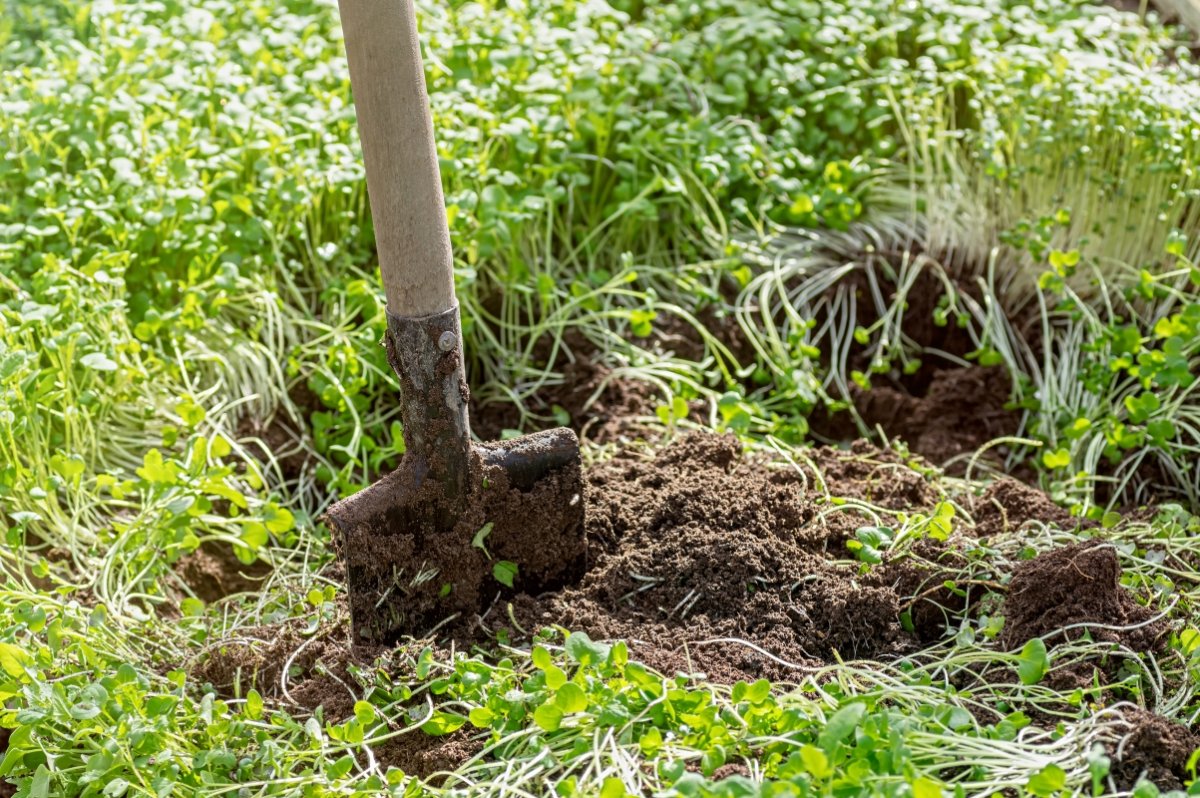
Green manure refers to crops grown specifically to be incorporated into the soil to improve its quality. Cover crops, which are crops grown to protect the soil between growing seasons, become green manure if they’re tilled into the soil instead of harvested, left as mulch, or terminated. After the crop matures, green manure “adds essential nutrients when you till it under,” says Balz. Dilmore adds that green manure is more neutral than farm manure, thanks to its lower nitrogen and nutrient content and lower salt content. Green manure and cover crops are an inexpensive way to enrich soil. They just require seeds, water, and the labor of turning the spent plants into the soil. Look to local sources to determine the best cover crops for your area.
Be sure to plant your cover crop when you are not growing anything else in the bed or landscape, such as in late fall, says Balz. She adds that if you decide to purchase green manure from a local recycler, be aware that the quality can vary. “Bad-quality green waste can include traces of plastic waste, and can be sourced from plants or grass that have pesticide residue,” says Dilmore.
Best For: Inexpensively improving soil and preventing erosion during the off-season
Our Recommendation: 1 Pound of Microclover Clover From Territorial Seed Company for $39.75
This short clover suppresses weed growth while fixing nitrogen in the soil and tolerates cold, shade, moisture, and drought.
5. Mushroom Compost
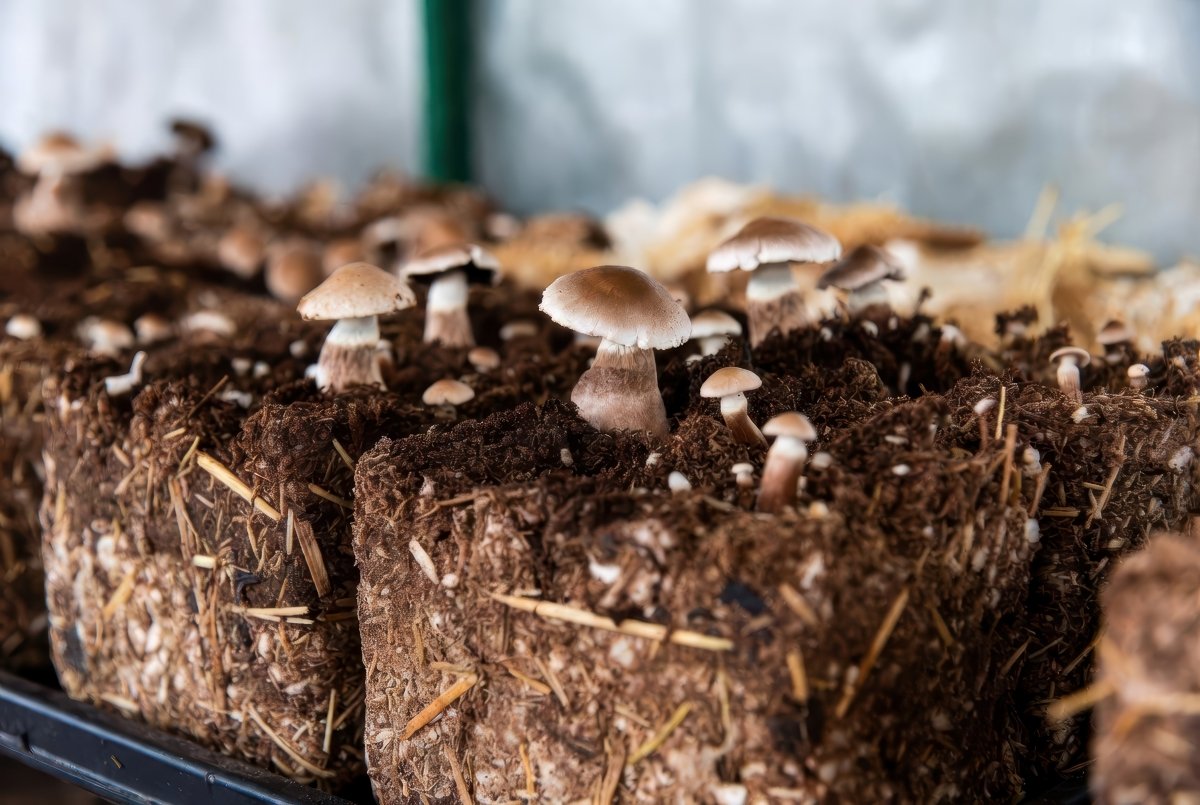
A byproduct of mushroom farming, mushroom compost is a sustainable option for home gardens. Mushrooms grow in a mixture of natural agricultural materials like straw, poultry litter, and cottonseed hulls. After harvesting the mushrooms, farmers remove the growing medium and repurpose it as compost.
Mushroom compost is known to have a high organic content and moderate nutrients. It’s usually pasteurized before being sold, so it should be relatively free of weed seeds or pathogens. Mushroom compost generally is crumbly and resembles topsoil in structure. Since mushroom compost leans toward alkaline on the pH scale, it is not as helpful for growers in areas with alkaline soil.
Best For: Using occasionally to improve soil structure and fertility, especially in neutral to acid soils
Our Recommendation: 1-Cubic-Foot Bag of Garden Time Mushroom Compost at Lowe’s for $3.48
This readily available commercial mushroom compost is rich with organic matter and easy to till into soil.
6. Worm Compost
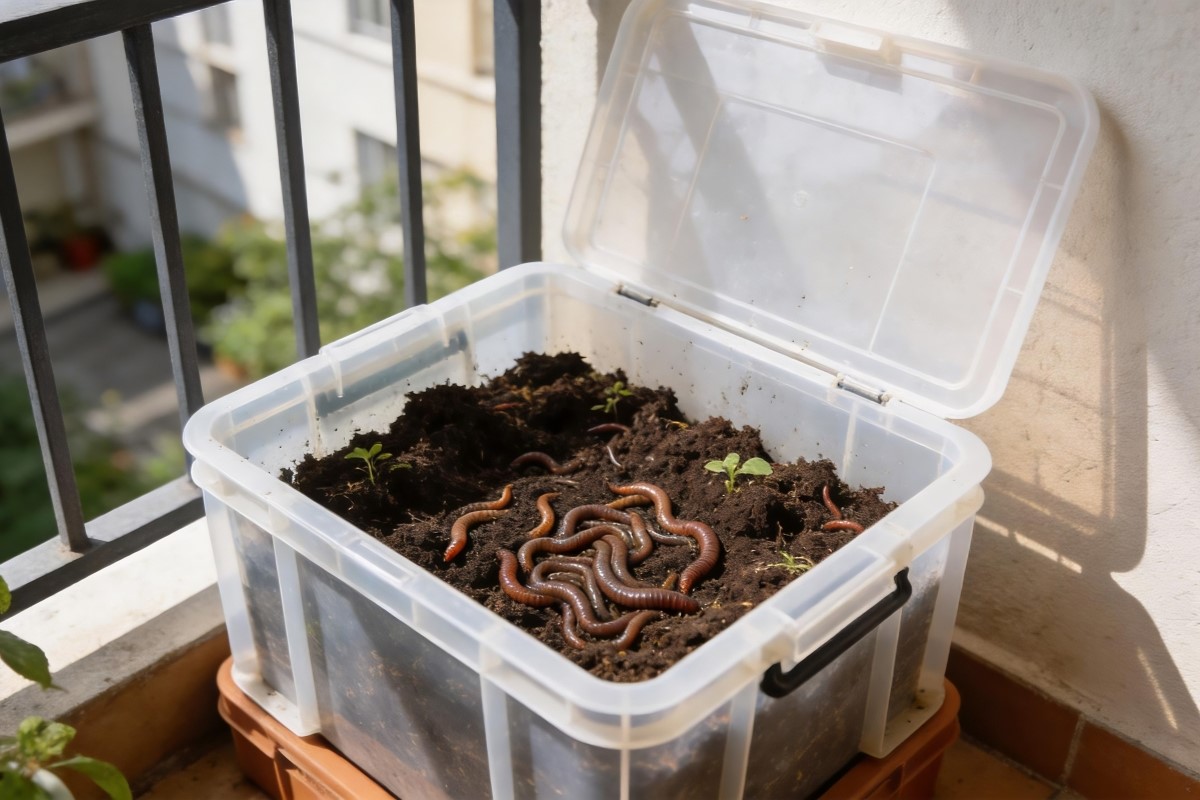
If you’re up for it, you can make your own worm compost from earthworm castings in a process called vermicomposting, but you’ll need a special bin or wormery system to produce and gather castings. Home vermicomposting is a great hobby and an efficient way to create compost in small and indoor spaces. It’s also a chance to recycle food scraps to feed the worms that do the work. According to Dilmore, worm castings provide “high amounts of beneficial soil microbes and nutrients to a challenging growing area.”
Another alternative is simply to buy rich worm castings for your garden. The castings have high concentrations of microorganisms and nutrients, including nitrogen, potassium, phosphorus, and micronutrients. The loose and rich additive also enhances the soil’s ability to hold water while staying porous enough for airflow. Bagged worm castings are fairly concentrated, but you can top-dress with them or add them to other compost types for more bulk. You can also make worm casting tea to pour around plants.
Best For: Improving soil fertility and structure when mixed in soil or top-dressed around plants
Our Recommendation: 30-Pound Bag of Unco Industries Wiggle Worm Pure Worm Castings at Amazon for $35.86
These nutrient-rich castings are appropriate for most garden plants and can be used to make liquid compost tea.
7. Loam Compost Mix
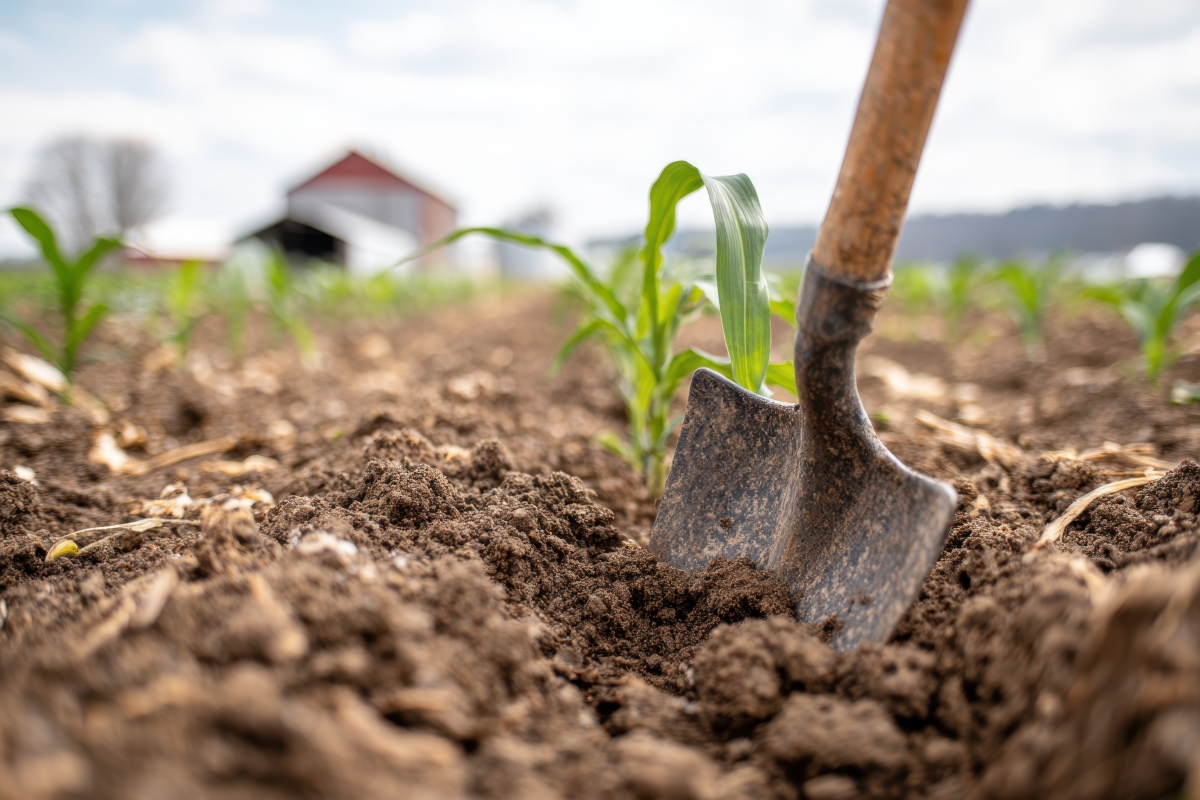
Loam has the ideal soil composition, combining equal amounts of different particle sizes (sand, silt, and clay) for a balanced growing medium. As a result, the soil holds moisture for roots but also stays loose enough to drain and avoid compacting. In addition, loam produces and supplies nutrients steadily, rather than just in the short term.
John Innes compost refers to loam-based compost mixes made using methods developed at the John Innes Horticultural Institute in Norwich, United Kingdom, in the 1930s. After extensive research, the center identified the optimal properties of compost and methods of sterilizing it to eliminate pests and diseases. It’s less a brand than a recipe that gardeners can follow at home to achieve a similar soil structure.
Many commercial suppliers rely on the institute’s published findings, and some that follow the methods closely label their products as John Innes compost. Commercial bagged products are available in the UK, and local suppliers often sell and deliver loamy soil in bulk. Another option is to build your own compost loam mix over time using a compost bin and balanced ingredients.
Best For: Potting up plants into quality soil and building long-term garden soil
Our Recommendation: Cedar 3-Bin Composter at Gardener’s Supply Company for $1,249.99
If you’re ready to commit to loamy soil and compost for the long haul, this rot-resistant bin with covers and latches accommodates continuous composting.
Common Compost Additives
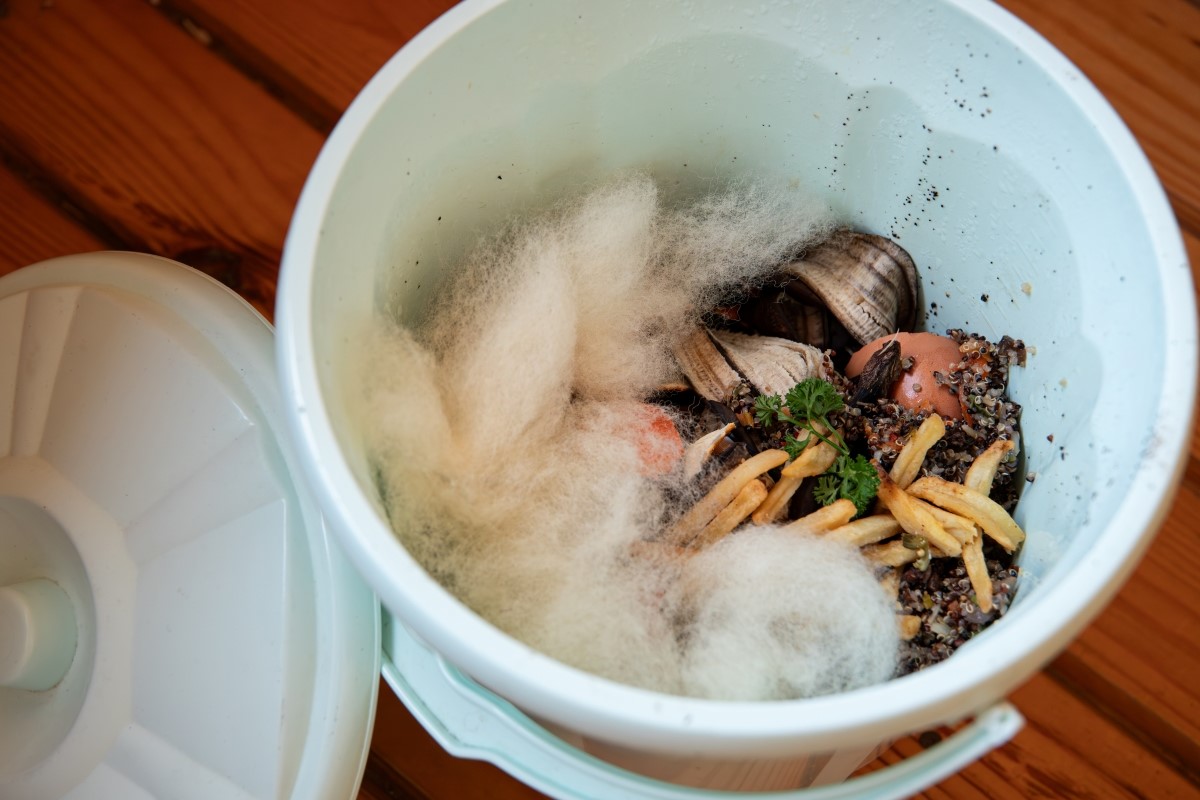
Whether DIY’d or purchased commercially, a balanced compost includes a mix of organic ingredients that improve soil over time. Various compost ingredients provide nutrients for plants, but some organic materials, such as coco coir, lack nutrients but contribute to the soil’s water retention or drainage. Common compost ingredients or additives include:
- Grass clippings. This green additive contains nitrogen and is a common add-in to homemade composts. Pruned leaves also work well as green waste for a compost bin.
- Biochar. A charcoal-like product made by heating biomass, biochar can be a great compost additive, but is generally not best applied on its own, says Dilmore. However, combining it with other organic matter “supercharges” the biochar, says Balz. It helps soil retain water and improves soil structure over time.
- Peat moss. Some composts contain peat moss, but it is more commonly found in potting mixes, where it improves water retention and soil texture. However, “peat is considered a nonrenewable source because it takes so long to naturally accumulate,” says Balz.
- Coco coir. Balz suggests coco coir, which is the fiber from coconut husks, as a more sustainable additive to composts or potting mixes than peat moss. The coconut byproduct also has a more neutral pH than peat, which can be acidic.
- Sheep wool. Some composts include sheep wool, a sustainable animal byproduct that can be used for a peat-free compost. The wool helps soil retain water and releases nitrogen over its slow period of composting.
- Cotton burr. The leftovers from harvested and ginned cotton are called cotton burr. When mixed in with compost, cotton burr can break up heavy clay soil and add microbes. It has a neutral pH and might come in packages with added acidic content to help balance alkaline soils.
How to Pick the Right Type of Compost
Choosing the right compost for your garden bed depends on many factors, including soil makeup and availability. “Soil testing can give gardeners really useful information on what nutrients their soils need for a productive garden,” says Balz. Dilmore adds that this is the most accurate way to determine what soil might need, especially if you are undertaking a new landscaping project or have a specific area, like a garden bed, where plants are struggling.
“Understanding your local climate is a great way to determine what compost will best help your gardens,” adds Dilmore. For example, a compost that improves moisture retention is more helpful in hot and dry places than in humid ones. Sometimes, the plant or growing task contributes to your choice. For example, seed compost for starting seeds requires low nutrients, and compost for potted plants should help prevent compaction in the container.
A compost’s characteristics and sourcing also matter. It is important to ensure that manure or other compost materials have been aged and allowed to break down. If particle sizes of bark or other organic matter are larger than about ½ inch, they are not fully broken down and can compete with plants if added to the soil too soon. Compost should not contain high levels of salt or inert ingredients like trace plastics or metals. Only aging in elevated temperatures will kill pathogens and weed seeds in compost mixes.