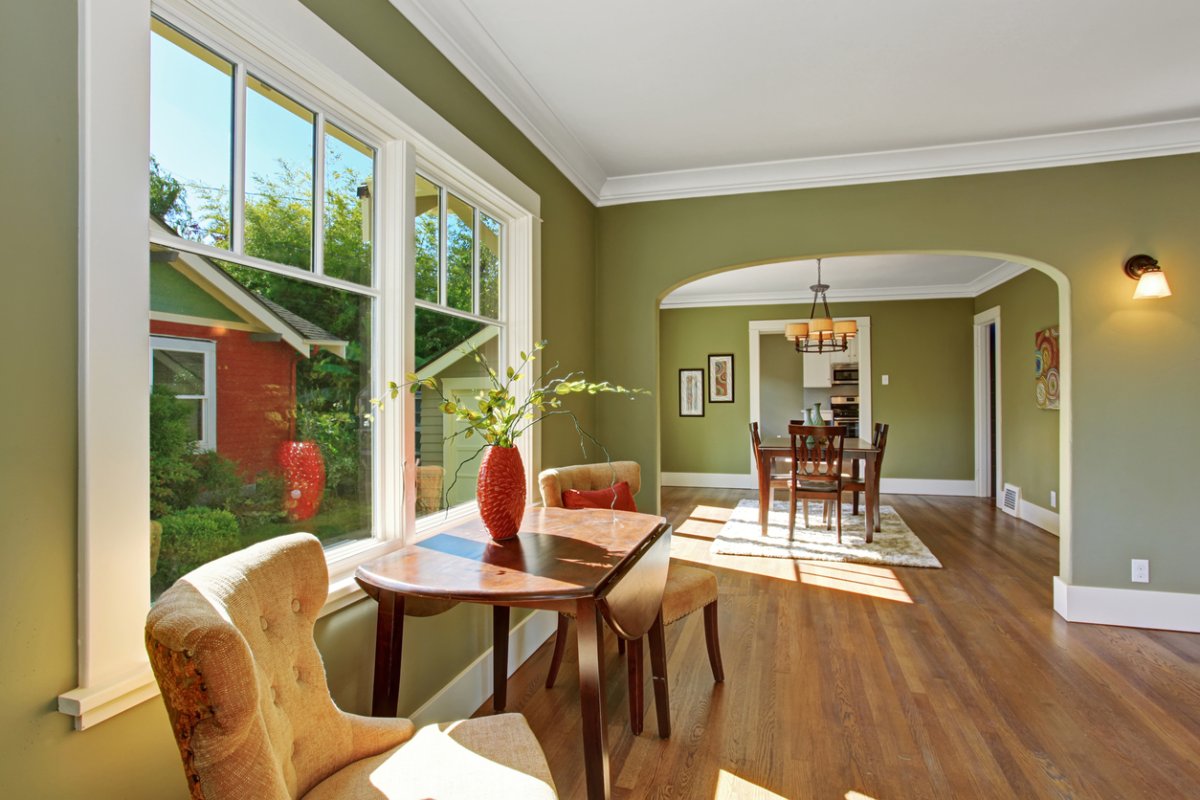
We may earn revenue from the products available on this page and participate in affiliate programs. Learn More ›
While you may already be drawn to a dentil crown, fluted door casing, or stepped baseboard for your home, it’s helpful to know more about the seemingly endless variety of molding types and profiles that add style, dimension, and luxury to a space. But with so much to choose from, how do you know which molding profile to use where? Here, we break down the different types of molding to help you make the best choice for your next home remodeling project.
Molding vs. Trim
Molding and trim are often used interchangeably, but the terms don’t mean the same thing. Trim is a broad category of millwork that includes the functional details that carpenters use to cover gaps and imperfections. These types of trim molding are usually flat stock and not detailed. Molding (“moulding” in Britain), on the other hand, is a subcategory of trim types that is decorative and often highly articulated, such as egg-and-dart or dentil molding. Typically, the functional aspects of trim work in partnership with molding to create aesthetic appeal.
Types of Molding
Before starting a room makeover, it’s helpful to know the names of the different types of molding typically used in that particular space or in a particular style of home. Some spaces may include a modest amount of molding, such as door and window casing and baseboard, while more formal spaces may also incorporate chair rail, crown, and picture rail molding. Here are 13 of the most common types of molding.
1. Casing
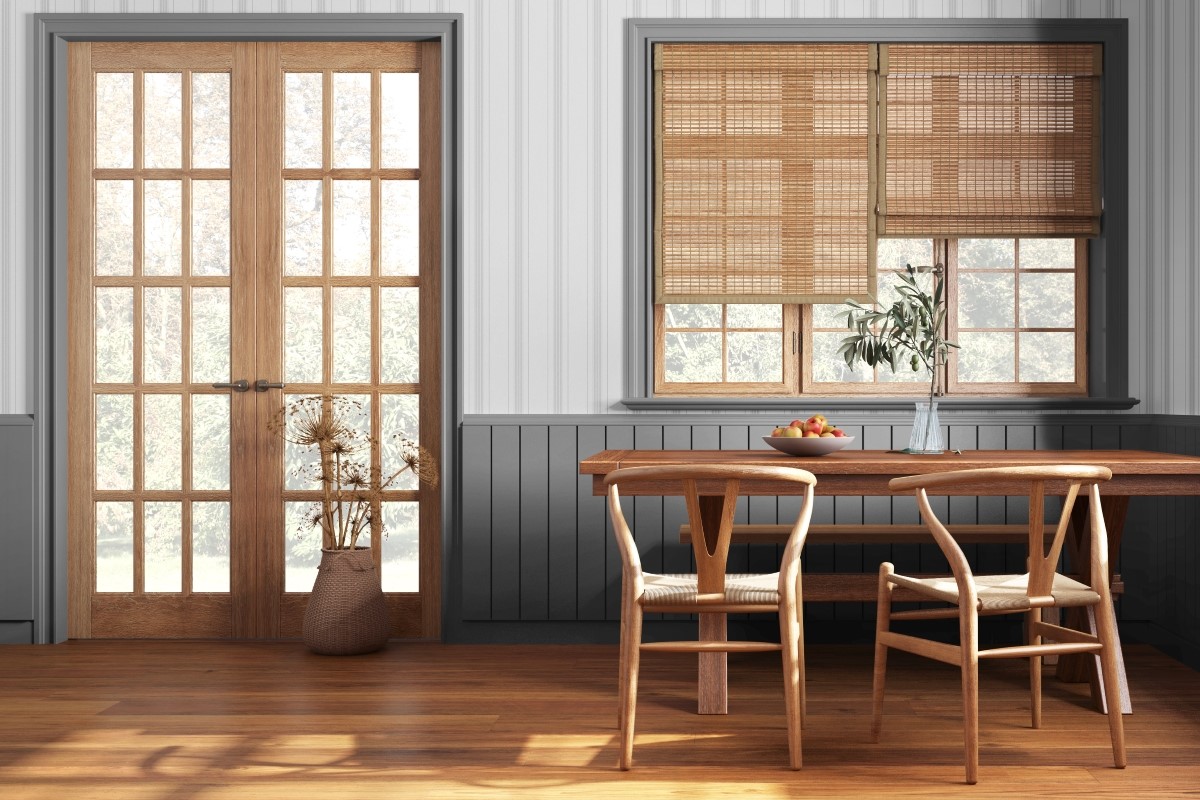
Casing is a type of molding that acts like a picture frame around doors and windows, and it’s a common element in most house styles. Though there are many variations of window and door casing styles, including fluted and flat designs, the width of casing typically extends 2¼ to 3½ inches or more. Some may choose to miter the corners where the casing members meet, while others may use corner blocks or butt joints.
Beyond aesthetics, casing also serves a practical function: to cover the unfinished gaps between walls and a door or window jamb. These gaps exist because it’s easier to cut the drywall so that it’s close enough to the jamb than it is to finish the drywall perfectly. To put this in context, off-the-shelf casing usually costs about $150 to $250 per door, while it can cost about $1,000 to hire a pro to finish the drywall perfectly around a door for a minimalist look.
Best For: Casing is used around windows and doors to conceal any imperfections or gaps between the drywall and the window or door frame. There are a variety of casing profiles available to fit a range of house styles and budgets.
Our Recommendations:
Fluted MDF casing at The Home Depot
Finger-jointed primed pine casing at Lowe’s
2. Baseboard
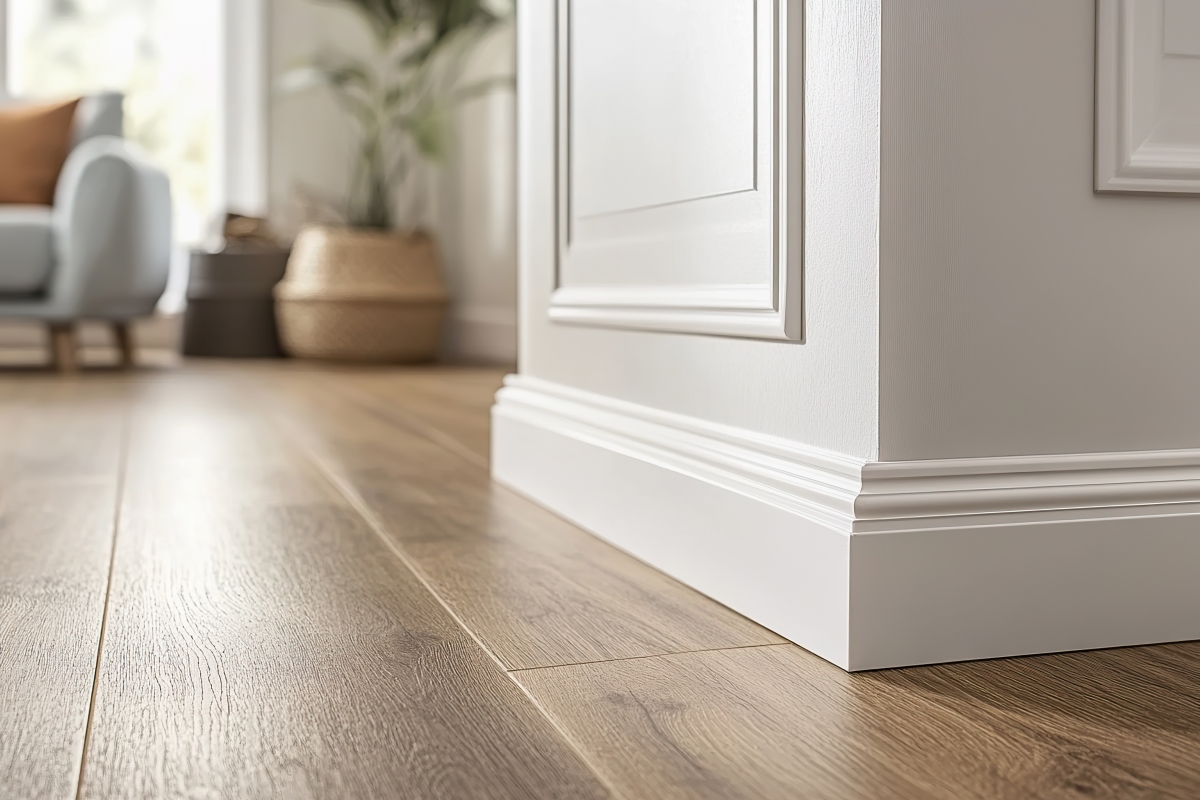
The trimwork that covers the bottom of walls is called baseboard. Originally designed for the practical purpose of protecting walls from nicks and gouges caused by moving furniture or other household activities, it’s also a decorative element. In a standard-height room, baseboards are usually about 3 to 5 inches tall, though in grander or older homes they may be much taller.
A flat baseboard with a square or beveled edge is among the most popular styles today, and it fits well with a modular and modern aesthetic. But baseboards can also be quite intricate, rivaling some crown molding profiles.
Baseboard can be purchased as a single piece, or it can be built up from multiple layers and accented with a small piece of shoe molding, which is often a quarter-round trim along the bottom edge. PVC or MDF baseboards start at around $1 per linear foot.
Best For: Baseboard is applied to the bottom of a wall to cover the gap or imperfections between the flooring and the wall. It also enhances the overall appearance of a room and reduces the amount of finish work required for flooring and drywall installations.
Our Recommendations:
Primed finger-jointed pine baseboard at The Home Depot
Primed MDF baseboard at Lowe’s
3. Quarter Round
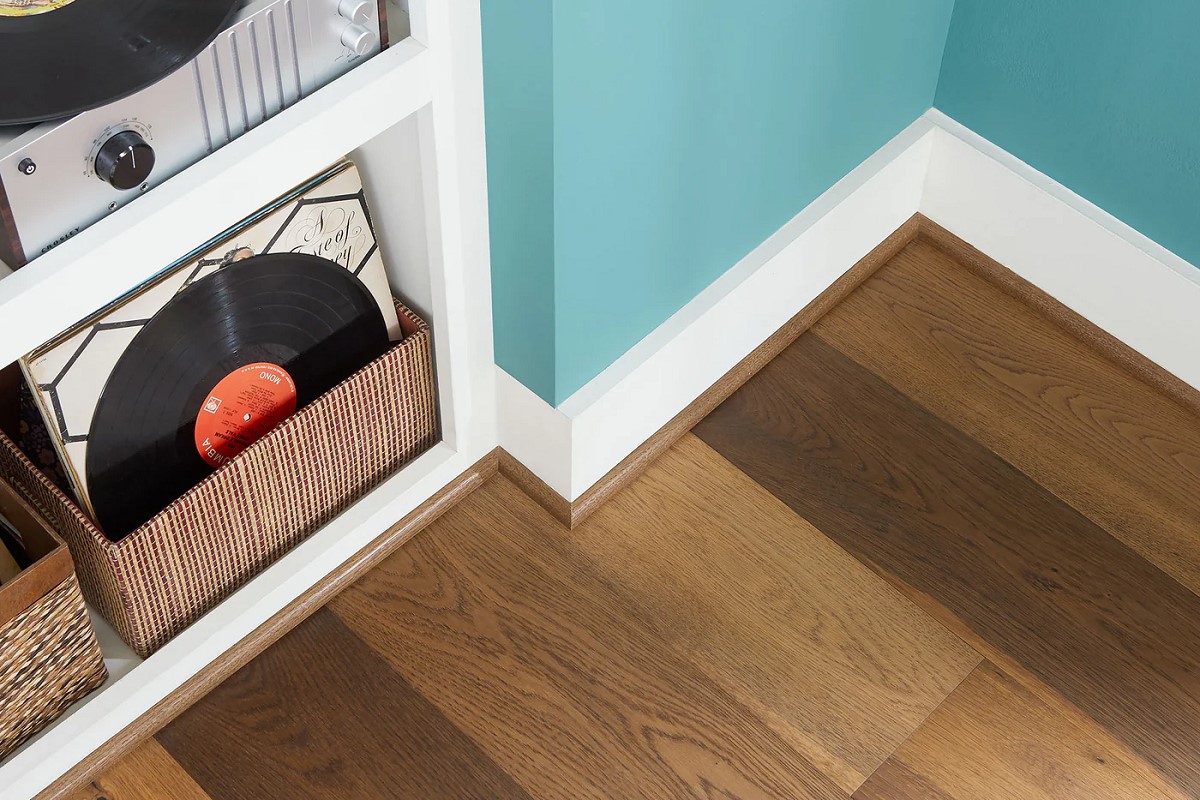
Quarter round can be used on its own along the intersection of a floor and wall, although it is often part of built-up trimwork, where several different types of molding are combined to create a more elaborate baseboard, mantel, or other architectural element. Because it is commonly used as shoe molding to hide any gaps or irregularities between the bottom of the baseboard and the floor, it is also known as base shoe molding. Yet, although they look similar, actual shoe molding is not quarter round. Shoe molding is taller than it is deep, while the depth and width of quarter round are the same.
As the name suggests, quarter-round molding has a curved profile that is shaped like a quarter of a circle. There are other types of shoe molding with different profiles, such as half round, reverse half round, and cove. Quarter round, like the other moldings used as shoe trimwork, is a short molding, about ½ inch to ¾ inch tall. The cost per linear foot averages 50 cents to $4 or more, depending on the material.
Best For: Quarter round is typically placed along the base of a wall, either added to the bottom edge of a baseboard or as an inexpensive and modest replacement for a baseboard. Quarter round is also used as part of other built-up trimwork, like mantels.
Our Recommendations:
Primed pine quarter round at Lowe’s
MDF white quarter round at The Home Depot
4. Crown
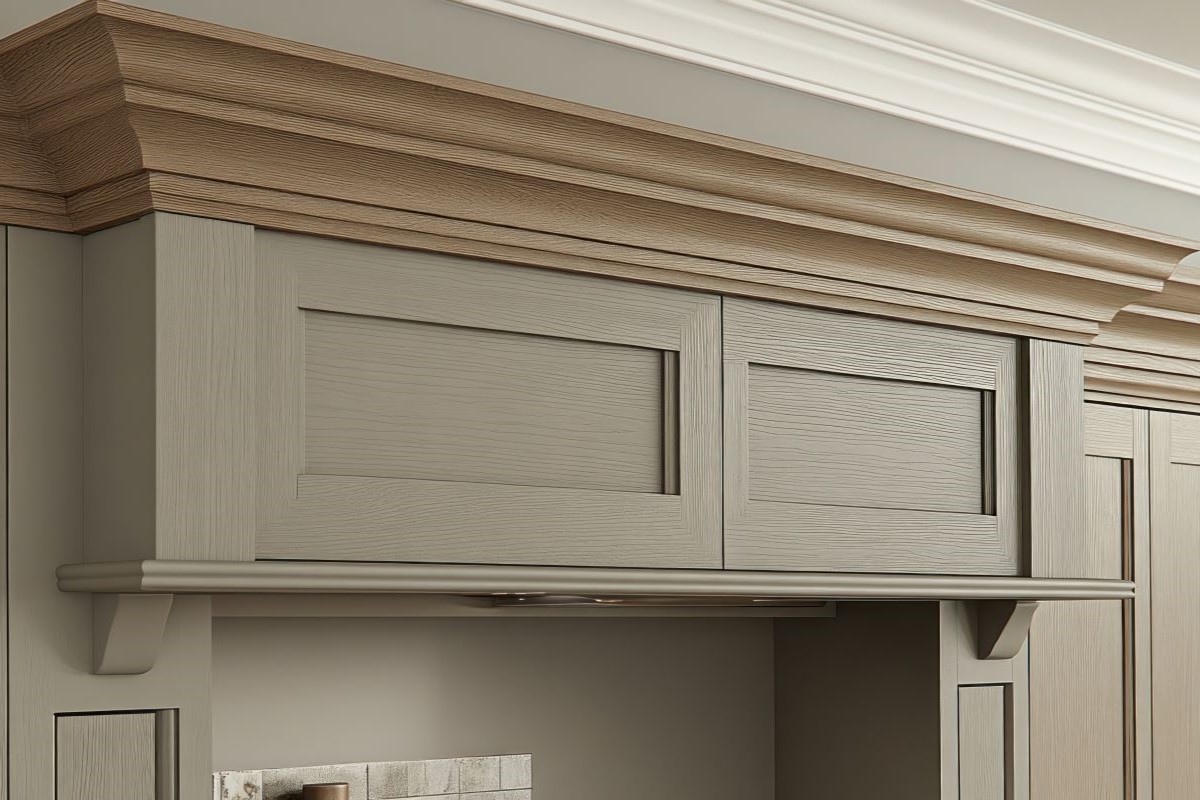
Aptly named, this molding is the crowning architectural feature of a room, as it marks the transition between the walls and the ceiling. Crown moldings are interior architectural elements that are similar to cornices on the exterior of a building. They are both types of molding for ceiling applications, but cornices jut out from the profile of the structure, while crown molding covers the joint between walls and ceilings, providing a smooth progression. That said, cornices are occasionally used as interior elements over windows or doorways.
Crown moldings typically boast intricate silhouettes and can include just one piece or multiple pieces of molding. There are many types of crown molding to choose from, in a variety of molding sizes and styles. Molding prices start at $1 per linear foot at the low end, up to an average of $15 per linear foot; expect to pay about $4 to $23 per linear foot installed. The cost of crown molding can rise dramatically depending on the material, the detail of the profile, and the difficulty of installation.
Best For: Crown molding is most commonly used in formal spaces to enhance style and to hide any imperfections between the walls and ceiling. It is also used as a detail on cabinets and other built-ins.
Our Recommendations:
Primed finger-jointed crown molding at The Home Depot
Primed urethane crown molding at Lowe’s
5. Chair Rail
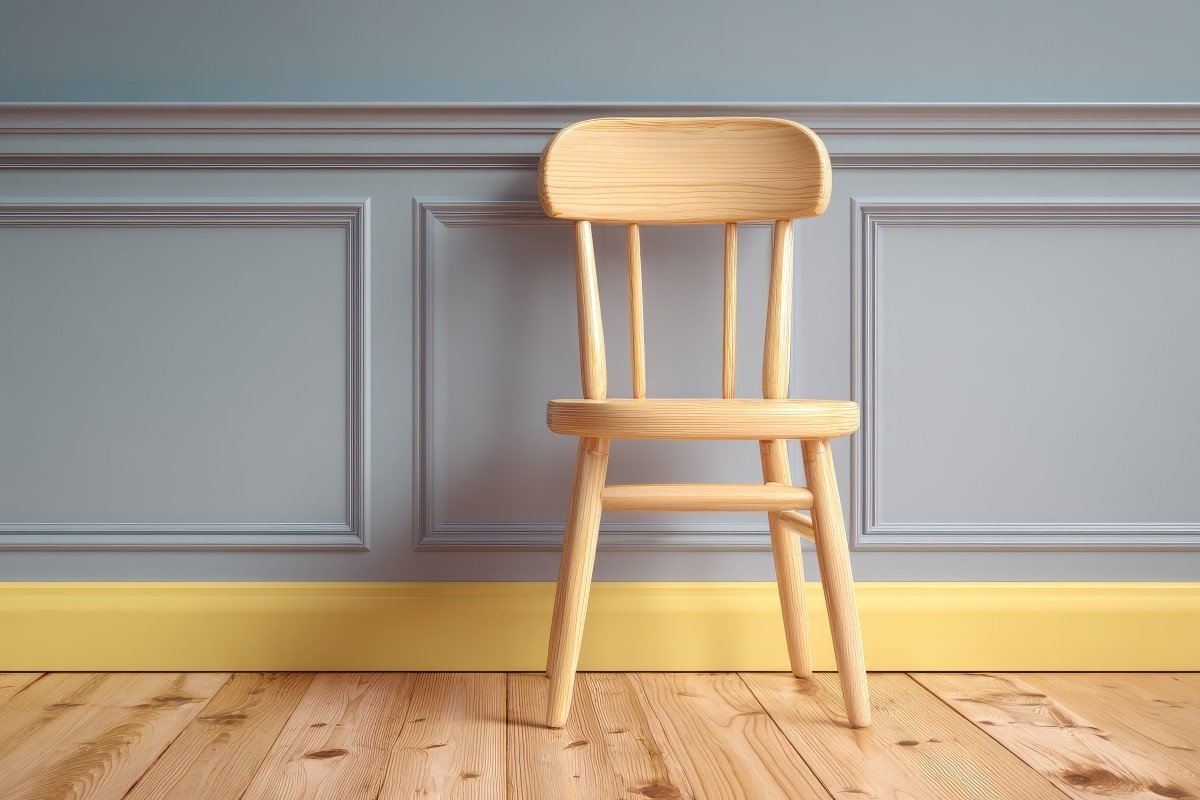
Chair railing can be both decorative and functional. Its name comes from its function: to protect walls from being damaged by chairs and other furniture. Of course, it can also be purely decorative, adding texture and visual interest to a room, or marking the transition between two different types of wallcoverings, such as paint and wallpaper, or wainscoting and paint.
Chair rail comes in many sizes and profiles. A flat chair rail may be the best choice for a modern interior, while those restoring a historic property may opt for an egg-and-dart or beaded chair rail that’s more true to the house’s era. Bear in mind that with greater detail comes greater expense. The national average for chair rail molding is about $1 to $3 per linear foot, and the cost of materials and installation combined ranges, on average, from about $5.30 to $8.30 per linear foot.
Best For: Chair rail offers a decorative way to protect walls from the backs of chairs and other furniture along the edge of a room. It’s a functional and stylish way to express a home’s aesthetic.
Our Recommendations:
Hardwood egg-and-dart chair rail at Lowe’s
Polyurethane chair rail at The Home Depot
6. Picture Rail

Before there were temporary wall hooks, there was the decorative and functional picture rail. Picture rail molding, as seen in this installation by A Beautiful Mess, allows artwork to be hung without having to drive nails into the wall.
Picture rail molding is typically about 1 or 2 inches tall and is often set less than an inch below crown molding or as far as about 12 inches below the ceiling. When paired with crown molding, it is often mistakenly assumed to be part of the crown. Installation for picture rail, also known as picture frame molding in the U.S., usually costs about $1 to $3 per linear foot.
Best For: Picture rail is a decorative tool that’s ideal for historic or traditionally styled homes. It makes it easy for homeowners to swap artwork in and out without marring the walls or relying on temporary hooks.
Our Recommendation:
Picture hanging rail molding at Wayfair
7. Cove
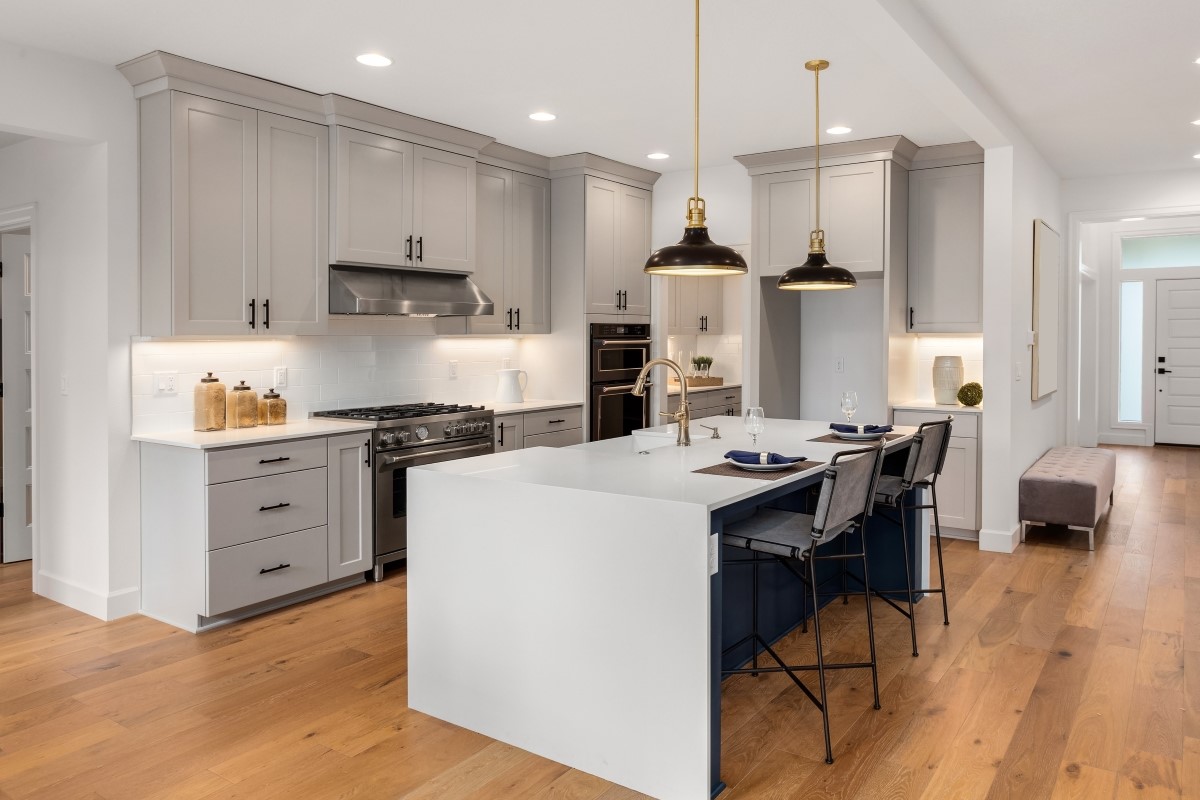
Known as coving in Britain, cove molding is a simple, concave-shaped trim used where the walls and ceiling meet. It is also used on stairs, where the riser meets the tread, and sometimes along the floor in place of a baseboard. Cove may be considered, in essence, a less ornate version of crown and is among the types of crown molding for kitchen cabinets.
While cove molding is simpler in profile than most crown molding styles, its shape and installation are similar, so the expected average cost of cove molding is about the same as it is for crown molding, starting at about $1 per linear foot.
Best For: Cove molding is typically installed at the top of a wall, where crown molding usually appears, or at the top of a cabinet or other substantial piece of furniture. Cove molding has a simple, concave face and is less elaborate and generally less expensive than crown molding.
Our Recommendations:
Finished MDF cove molding at The Home Depot
Unfinished pine cove molding at Lowe’s
8. Dentil
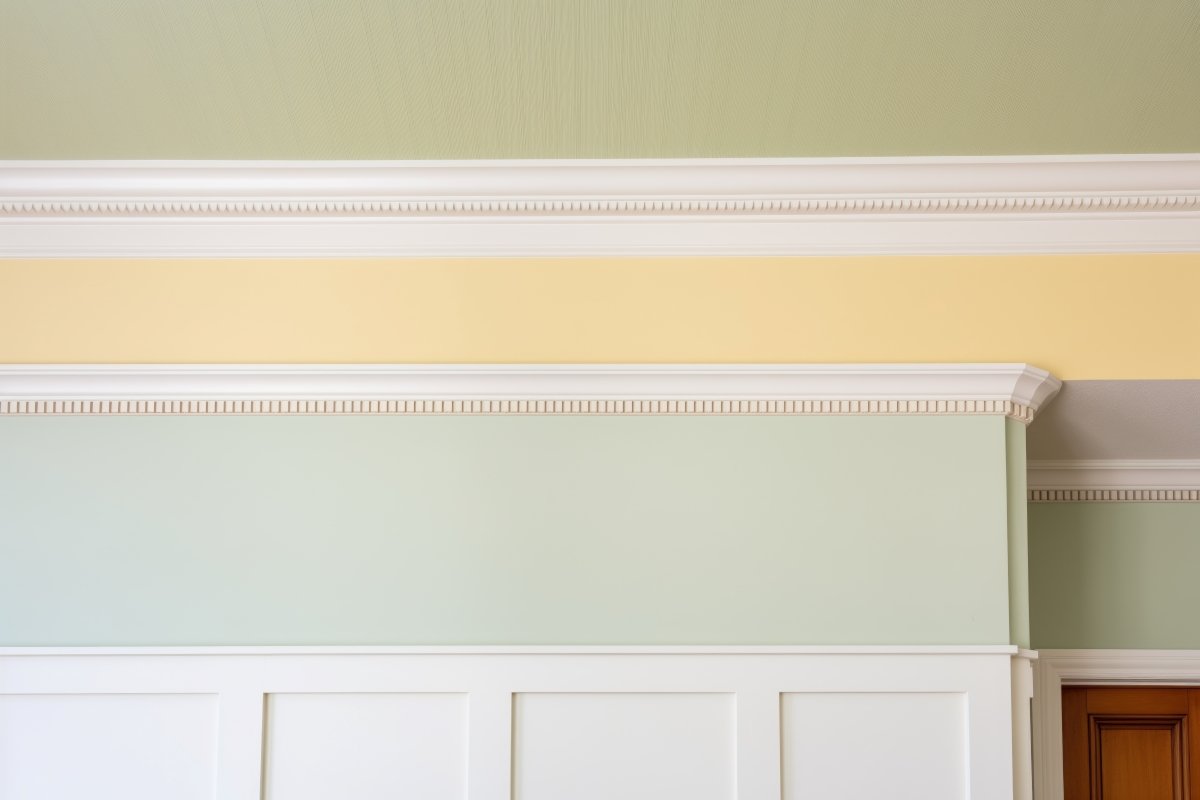
An ornamental detail with a Classical pedigree, dentil molding consists of small, evenly spaced blocks in a repeating pattern, similar to teeth. In fact, the word “dentil” is related to the Latin word for tooth (“dens”). Dentil molding is frequently incorporated into the bottom portion of a cornice or crown molding and is often found in historic homes of Neoclassical style.
While the ancient Greeks and Romans carved dentil molding into stone, today it’s made from wood or polyurethane and is available in both exterior and interior options. Dentil molding is more expensive than cove molding or other moldings with simpler profiles, and it’s also more expensive to install.
Best For: Traditional homes and homes with Classical detailing often have dentil molding along the bottom of a crown molding or cornice. Occasionally, dentil molding is found on chair rail or as detailing in furniture.
Our Recommendations:
Dentil crown molding at Lowe’s
Dentil panel molding at The Home Depot
9. Egg and Dart
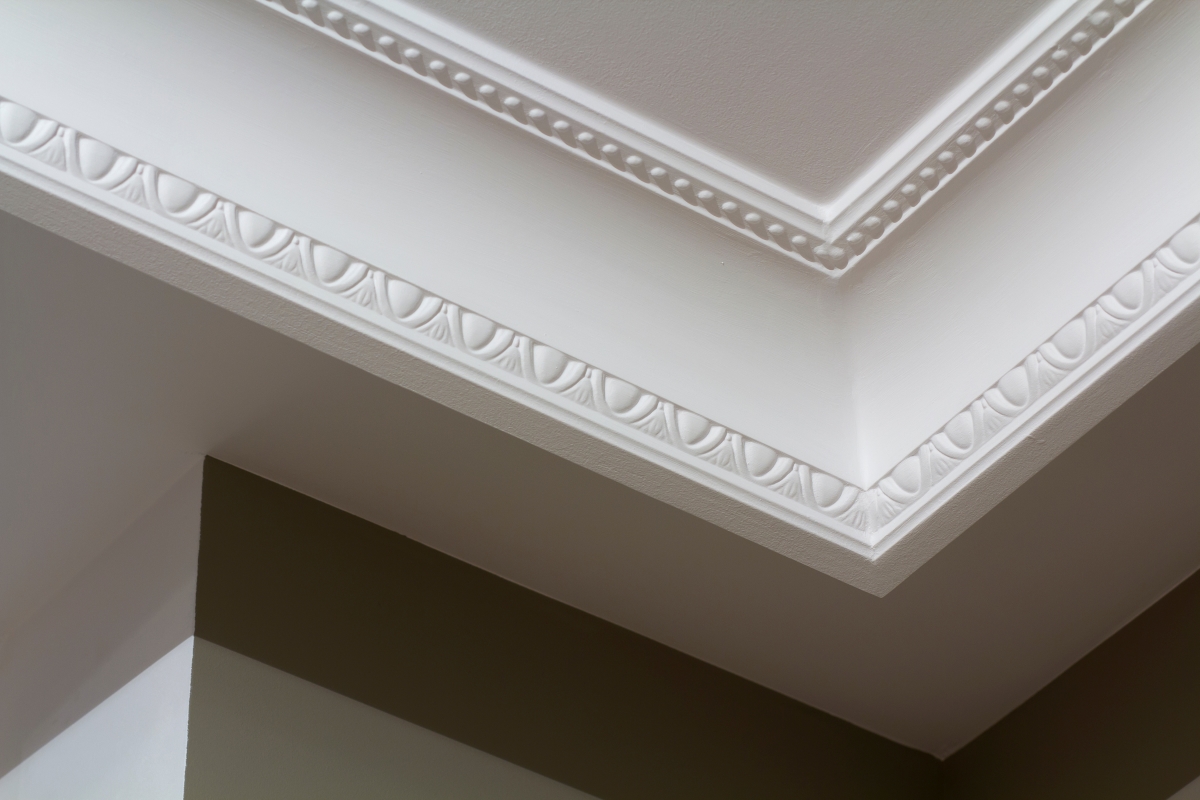
Mostly used in crown or chair rail, egg-and-dart molding comprises oval shapes alternating with V-like darts. Some sources suggest that the shapes are inspired by the opium poppy and its leaves, while others contend that they symbolize the duality of life, with birth (the egg) and death (the dart). No matter the origins of the design, egg-and-dart molding takes some experience and craftsmanship to install, so it’s usually a pricier option than dentil molding.
Like dentil molding, egg and dart’s origins lie in ancient Greek and Roman architecture, where the design was carved in stone. Today’s egg-and-dart moldings take advantage of modern materials and can be found in a variety of options, from solid wood to polyurethane.
Best For: Homes with classically styled architecture.
Our Recommendations:
Egg-and-dart chair rail at The Home Depot
Egg-and-dart unfinished crown molding at Lowe’s
10. Batten
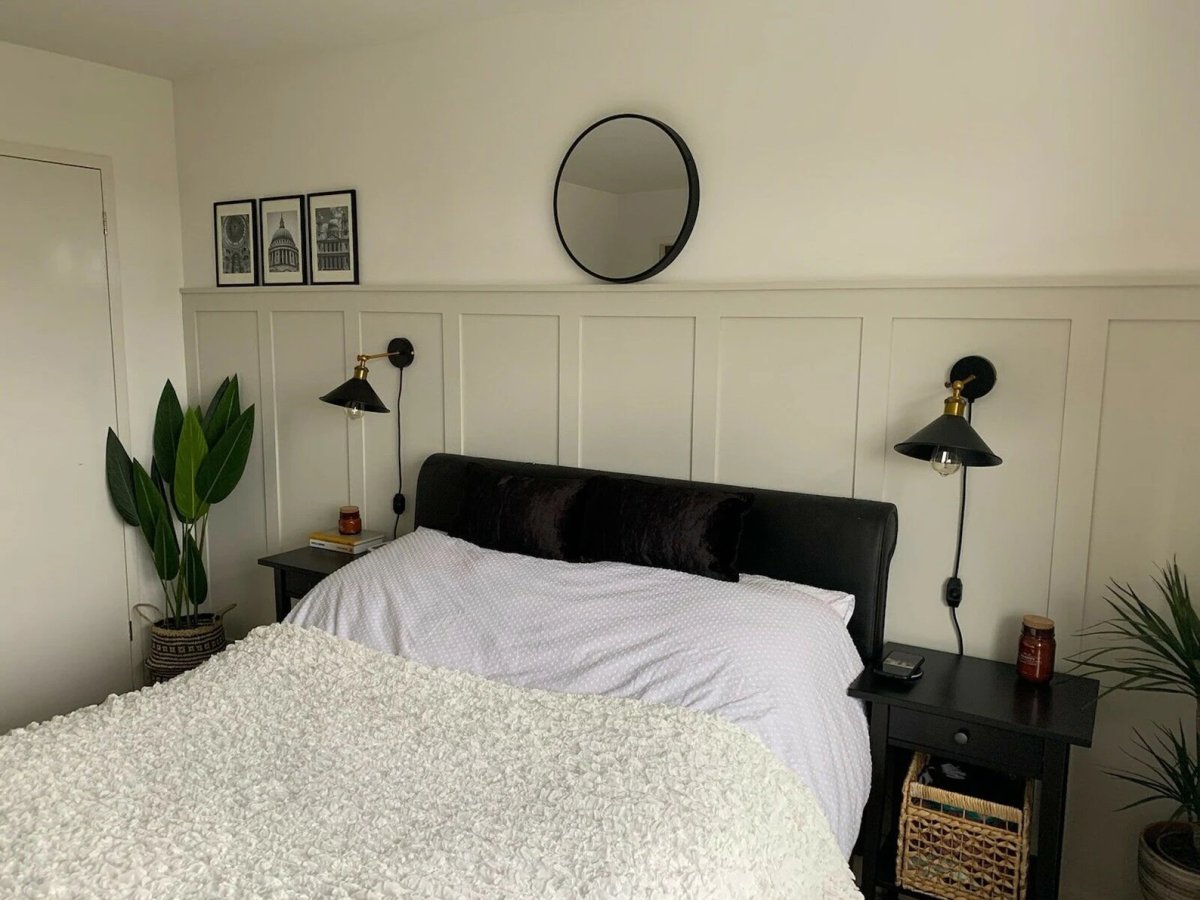
A component of traditional board-and-batten siding, batten is a flat strip of wood used to hide the joint between two pieces of paneling. Indoors, board-and-batten is often used as a less expensive type of wainscoting or paneling, with the battens providing vertical shadow lines that help make a flat wall surface more interesting. This type of treatment is particularly fitting for a modern farmhouse style.
Though this style of siding was developed as a practical building element for rustic dwellings, today’s interior board-and-batten walls are often painted white and considered chic. Battens, which are also known as furring strips or strapping, are typically wood strips that are 3 or 4 inches wide and about ½ inch thick.
Best For: Battens are one component of the board-and-batten feature wall that has become chic and trendy in modern farmhouse-style homes.
Our Recommendations:
4-inch-wide MDF boards from Lowe’s
3-inch-wide furring strips at The Home Depot
11. Pearl and Bead
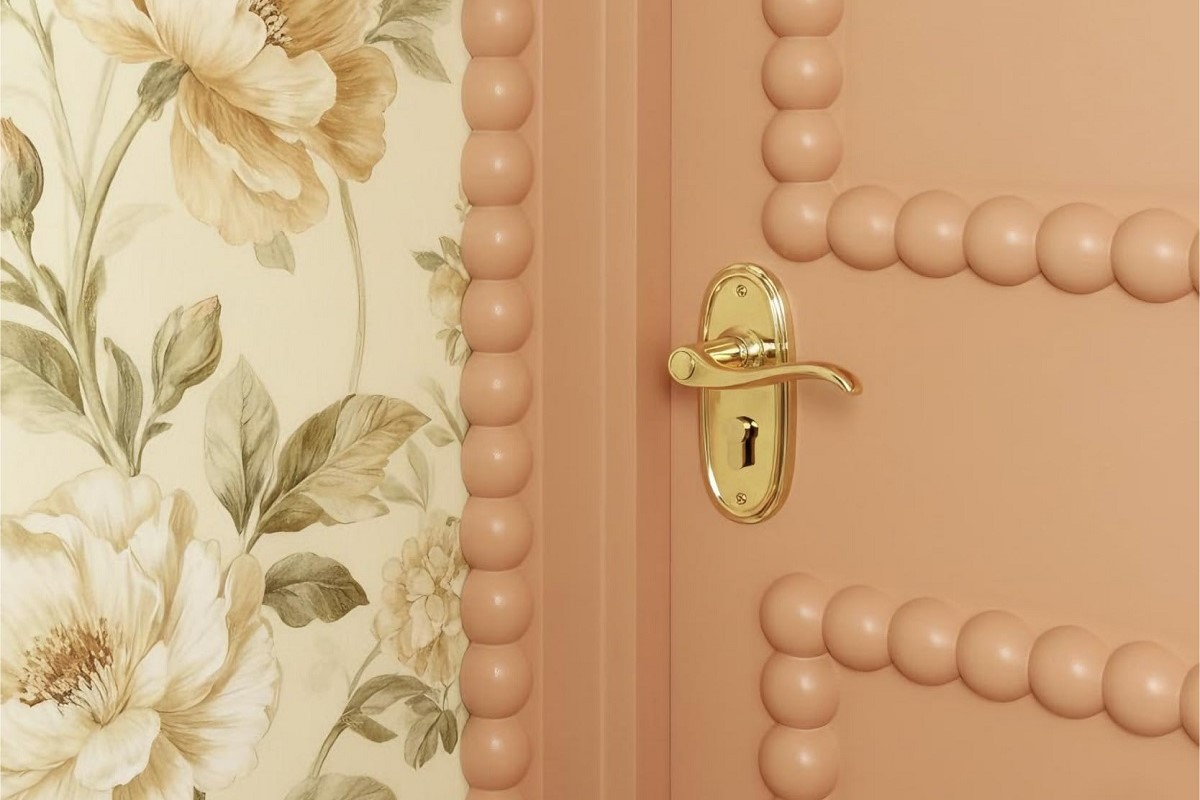
While the terms “bead” and “pearl” molding are used interchangeably, they aren’t the same. Pearl molding includes a row of small spheres. Bead molding has a rounded detail that runs the entire length of a piece of trim and is often used to hide a seam where two pieces of trim meet.
Both pearl and bead trim pieces are frequently used as part of chair rail or crown molding and are often paired with other detailed trim designs, such as leaves, darts, or spindles. Pearl molding is usually more expensive than beaded trimwork and is comparable in cost to other highly articulated designs like egg and dart.
Best For: Both pearl and bead molding are used as part of a built-up trim detail to provide more depth and visual interest to an overall installation in a formal or traditional space.
Our Recommendations:
Beaded casing at The Home Depot
Beaded chair rail at Lowe’s
12. Scribe
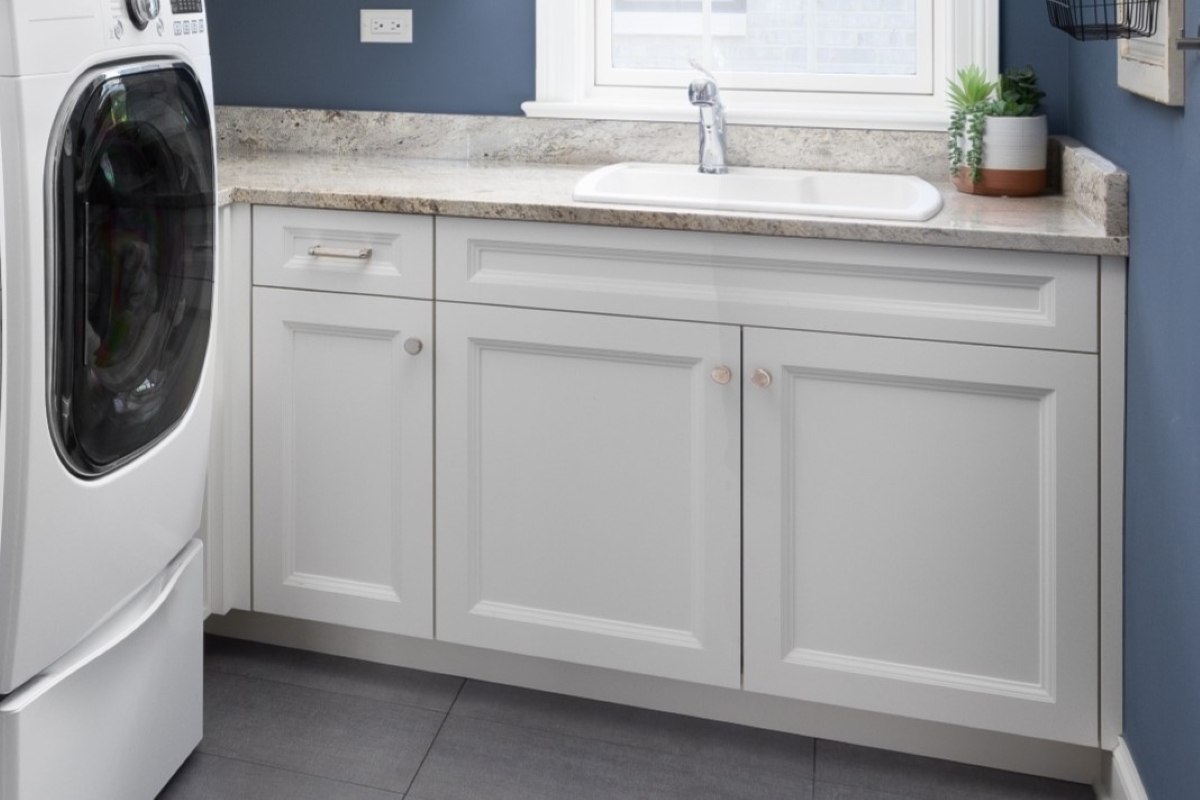
Like bead molding, scribe is a thin trim piece used between two other elements, but it’s a less formal trim that’s used specifically in vertical applications. In cabinet installation, scribe is often used to cover a gap between the wall or ceiling and a cabinet or another built-in element, such as an entryway organizer, around the home.
The cost of scribe molding is similar to the cost of other simple trim pieces like quarter round, but as it’s a type of cabinet molding, the cost of installation is usually folded into the labor for the cabinet installation or other project that requires this type of trim piece.
Best For: Covering gaps between cabinets.
Our Recommendations:
Cabinet scribe rail at Lowe’s
Scribe molding at The Home Depot
13. Wainscoting
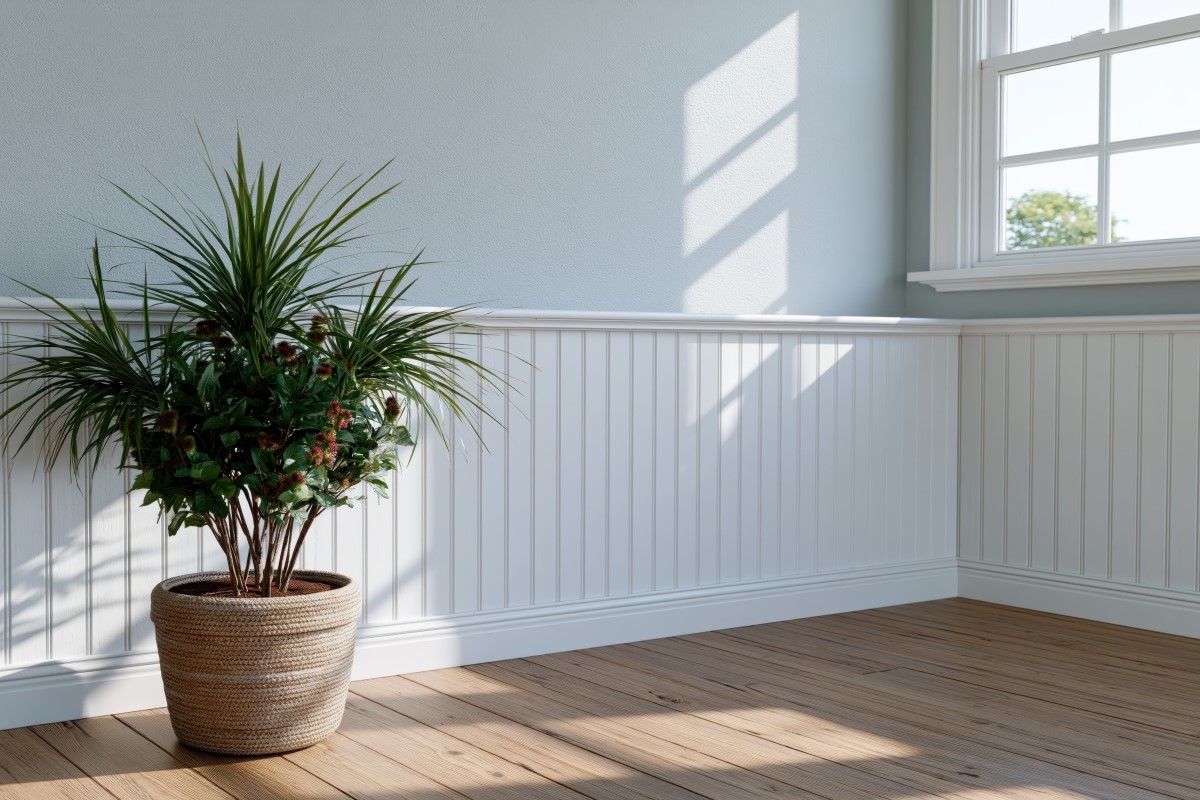
Historically, this wood paneling, which could cover an entire wall or just the lower half, was used to protect plaster walls from errant chairs and other everyday hazards. Today’s wainscoting serves a more decorative purpose, usually covering just the bottom section of a wall and topped with chair rail. It’s available in a range of materials and colors, and it can be used at many different heights, in many different configurations and treatments, including beadboard, board-and-batten, shiplap, raised panel, and more. No matter the type, today wainscoting is no longer installed simply to protect the wall surface, but to make a style statement.
As there are so many types of wall molding and wainscoting, it’s tough to provide an average cost. However, homeowners can expect the budget to start at about $5.50 per square foot for a simple wainscoting project.
Best For: Wainscoting covers the surface of a wall—either all of it or just the bottom portion—with some form of paneling to add visual interest.
Our Recommendations:
MDF beadboard wainscoting at Lowe’s
PVC tongue-and-groove wainscoting at The Home Depot
Tips for Choosing Molding for Different Rooms
With so many options, it can be tough to choose molding for a room makeover. Even though the final decision on the type of molding and profile depends on your personal aesthetic, certain types of molding are commonly found in specific rooms. Here’s a quick look at common types and where they are often used.
| Molding Type | Areas Where Commonly Used |
| Casing | All finished rooms |
| Baseboard | Most finished rooms |
| Quarter round | Used as an addition to baseboard throughout the house or alone in utilitarian spaces like bathrooms and laundry rooms |
| Crown | Formal rooms like dining and living rooms, and in luxurious kitchens |
| Chair rail | Dining rooms |
| Picture rail | Dining and formal living rooms |
| Cove | Bedrooms and family rooms |
| Wainscoting | Dining rooms, laundry rooms, and family rooms |
Types of Molding Materials
It’s never been easier to add the richness of molding to your home. Aside from traditional wood, today’s moldings are made from a range of materials, including MDF, polyurethane, vinyl, PVC, and polystyrene, and many of these options are available already primed or painted. As well, the advent of flexible molding has made it easier to install trim on rounded walls, with easy-to-cut pieces that are often peel-and-stick and can be rolled for storage or transport.
Selecting the Right Molding Size
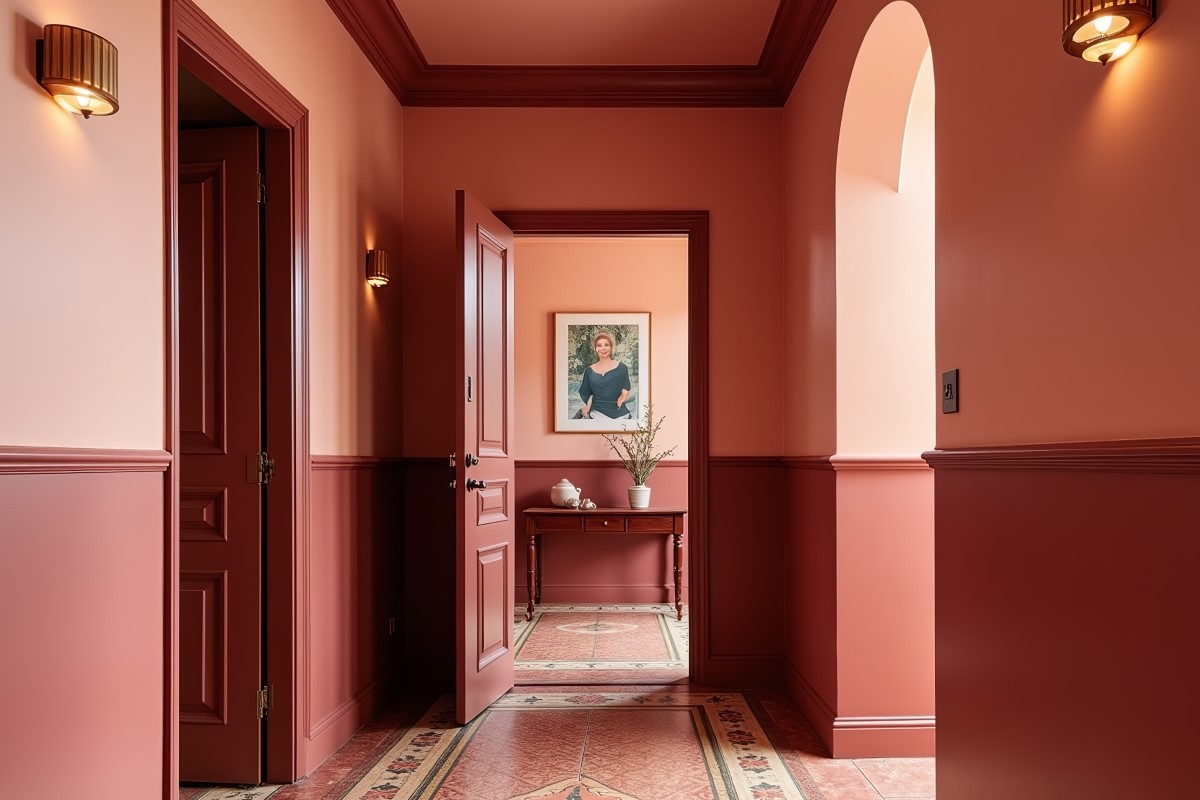
While the size of molding is usually determined by the size of the room and the height of the wall, you can opt for a larger or smaller size to either add drama or create a sense of quiet elegance. Here are some guidelines on selecting the right molding size for your spaces.
Casing
In a typical room with an 8-foot-high ceiling and windows that are about 24 inches by 36 inches, the width of the window and door casing is usually about 2¼ to 3½ inches. However, if you are replacing existing casing, you may want to increase the width so you can cut down on the amount of drywall repair.
Baseboard
While you can use shoe molding as a simple base trim, baseboards are usually about 3 to 5 inches tall in an 8-foot-tall room. Typically, less formal rooms have shorter baseboards. However, a current trend uses a taller flat stock baseboard in all rooms.
Crown
“When choosing molding, start with ceiling height. Larger rooms with taller ceilings can support wider, more detailed profiles, while smaller rooms need simpler, lower-profile trim,” says Meredith Opie, associate product manager at Fypon, a manufacturer of decorative millwork. “Ultimately, the goal is visual balance. If you notice the molding before you experience the room, it’s probably too big; if you don’t notice it at all, it’s probably too small. The best molding doesn’t always announce itself; it just makes everything else in the room feel right.”
Opie says the rule of thumb is that crown molding height should be approximately 1/12 to 1/20 of the wall height.
8-foot-tall ceilings: about 2½- to 6-inch-tall crown molding
9-foot-tall ceilings: about 3- to 7½-inch-tall crown molding
10-foot-tall or greater ceilings: about 4- to 9-inch-tall or greater crown molding
In an 8-foot-tall room, here are the common size ranges for different types of molding.
| Casing | 2¼ to 3½ inches wide |
| Baseboard | 3 to 5 inches tall |
| Crown molding | 2½ to 6 inches tall |