We may earn revenue from the products available on this page and participate in affiliate programs. Learn More ›
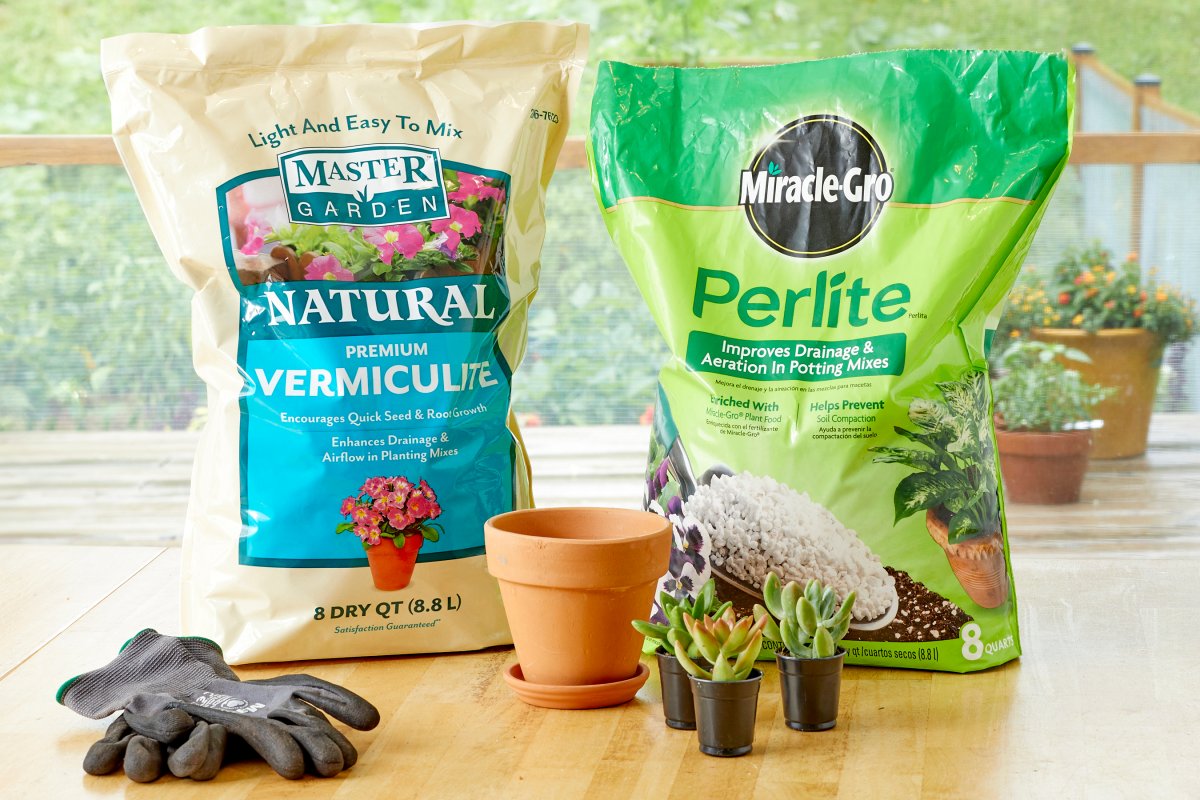
If you’re comparing vermiculite vs. perlite and wondering whether either soil additive would benefit your plants, here’s what to know: Vermiculite is an excellent choice for retaining water to keep soil moist, as well for holding onto soil nutrients. Perlite also can retain some moisture, but the amendment really excels at helping air and water move through soil and preventing compaction, especially in containers.
Both of the amendments come from processed mine minerals, can improve soil or plant health, and are compatible with organic gardening. While neither is an ideal solution for every plant, perlite and vermiculite each have advantages and disadvantages for various uses in home gardens.
What is vermiculite?
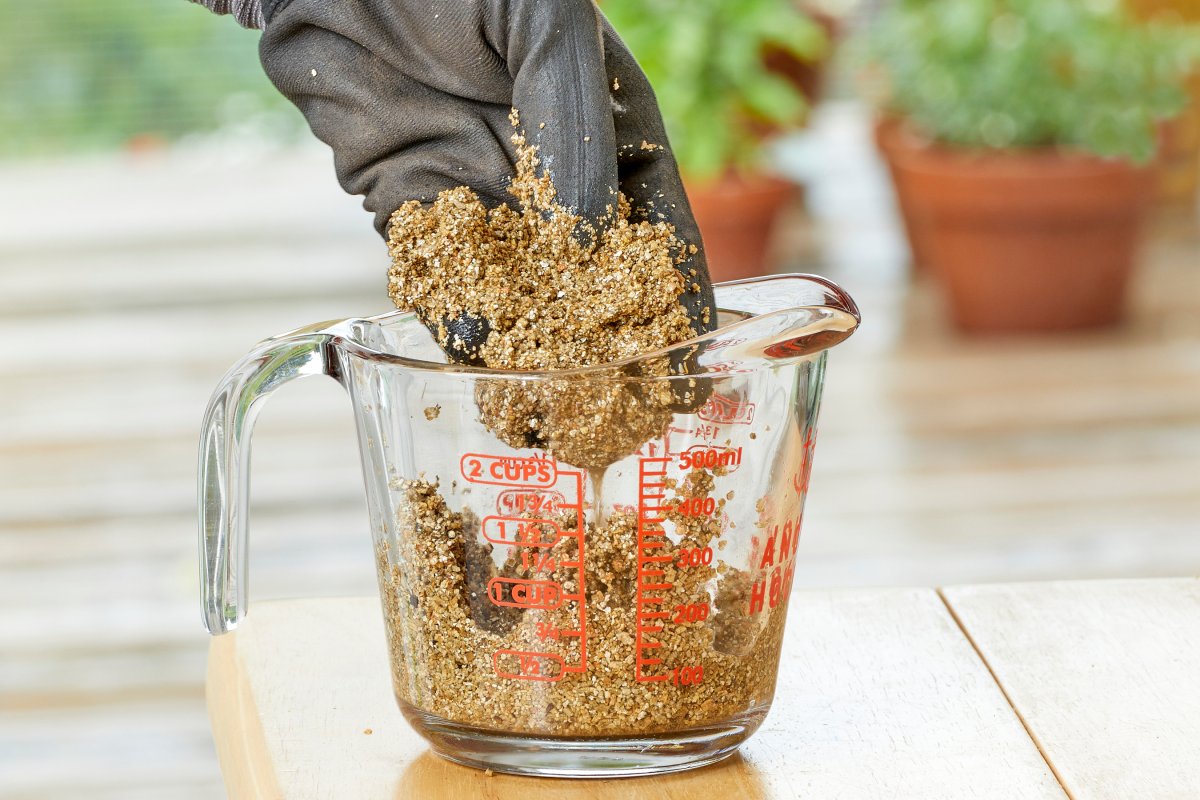
Vermiculite is a flaky material with sponge-like qualities, so it can hold moisture and nutrients; that’s especially helpful for seed-starting mixes and potted plants that need consistently moist soil. Vermiculite looks like mica and occurs naturally when heat and pressure separate mineral layers of rock, primarily phlogopite. It’s extracted from open-pit mines around the world and then exposed to high temperatures, which cause the flakes to expand and lose weight through exfoliation. The result is a lightweight additive for agricultural and home garden or container soils. The size of the flakes makes different grades of vermiculite from micron to super coarse.
The lightweight, spongy particles can soak up and retain moisture in the soil and even hold onto essential soil nutrients. Vermiculite lost some popularity in the 1990s when some evidence of asbestos was found in commercial vermiculite from a Montana mine. But it was detected in no other vermiculite mines, and periodic testing ensures safe use of modern vermiculite for soil.
What is perlite?

Perlite is extremely porous and helps retain both air and water in soil, which is ideal for creating drainage channels in quality potting soil without adding excessive weight. That keeps air available to roots and reduces compacting of soil. Perlite comes from natural volcanic glass, or obsidian. The glass also responds to high-heat processing by puffing out into white pieces four to 20 times their original size. The resulting product is light, but tough enough to retain its shape in soil. Perlite also comes in fine to coarse grades.
Comparing Vermiculite and Perlite
Both perlite and vermiculite are excellent soil amendments that can enhance soil quality for seed starts, containers, and garden beds. They are sterile, which means they do not introduce weed seeds, insects, or pathogens into soil. While they consist of environmentally friendly natural materials, perlite and vermiculite come from nonrenewable sources. They’re also lightweight and easy to use. Still, each excels more or less than the other at some important plant growth tasks.
Retaining Water
Although both minerals can help improve water retention, spongier vermiculite wins the day for its water-holding capacity. While perlite for plants can suck up four times its weight in water, vermiculite sponges up to 16 times its weight in water. So, vermiculite is more effective at gathering and redistributing moisture than perlite, and vermiculite can keep soil consistently moist, even during brief dry spells.
Since perlite is more permeable and has lower water retention, it allows soil to dry out faster. If you want to use perlite and improve its ability to retain water, purchase smaller sizes. The small particles can better cling to soil around them and offer more porous surface overall than coarser perlite.
Aerating Soil and Promoting Drainage
Perlite can open up the soil to prevent compaction and allow extra water to move through the soil and drain out. The difference between perlite and vermiculite in soil is that perlite is a sturdy material that can keep soil aerated and loose much better and longer. Vermiculite can help with aeration in the short term, but tends to compact over time. Perlite is particularly helpful, along with compost, at improving structure of clay or silt-heavy soils and promoting drainage in garden soil and potting soils.
Perlite’s ability to aerate soil helps ensure that roots get the oxygen they need to grow by filtering soil and creating air pockets. This can help prevent issues such as root rot that are caused by oversaturation of soil, and even help speed up rootings of plant cuttings. Vermiculite might retain too much water for some plant types and cause outdoor potted plants to rot in excessively damp climates.
Retaining Nutrients
While the aeration and drainage support perlite provides can help plants access soil nutrients, vermiculite is much better at retaining and exchanging nutrients. In fact, it naturally contains small amounts of nutrients like potassium and magnesium. The sponge-like nature of coarse vermiculite makes it so good at nutrient retention that it is helpful in soilless mixes and hydroponics. Neither vermiculite or perlite decompose in the soil, so they will not deplete soil of nitrogen from that process.
Other Distinct Features
Perlite is slightly lighter than vermiculite, especially once exposed to water. That can matter when weight is a concern, such as in a potted plant that moves indoors in winter. It also means perlite can float to the top of container soil. Since vermiculite retains water so well, it can lead to overwatering of plants in soil with other moisture-retaining amendments. Vermiculite also can improve soil appearance with its natural and brownish color, while perlite particles are white and rougher looking. Both perlite and vermiculite are relatively neutral in pH, and should not affect soil chemistry.
When to Use Vermiculite
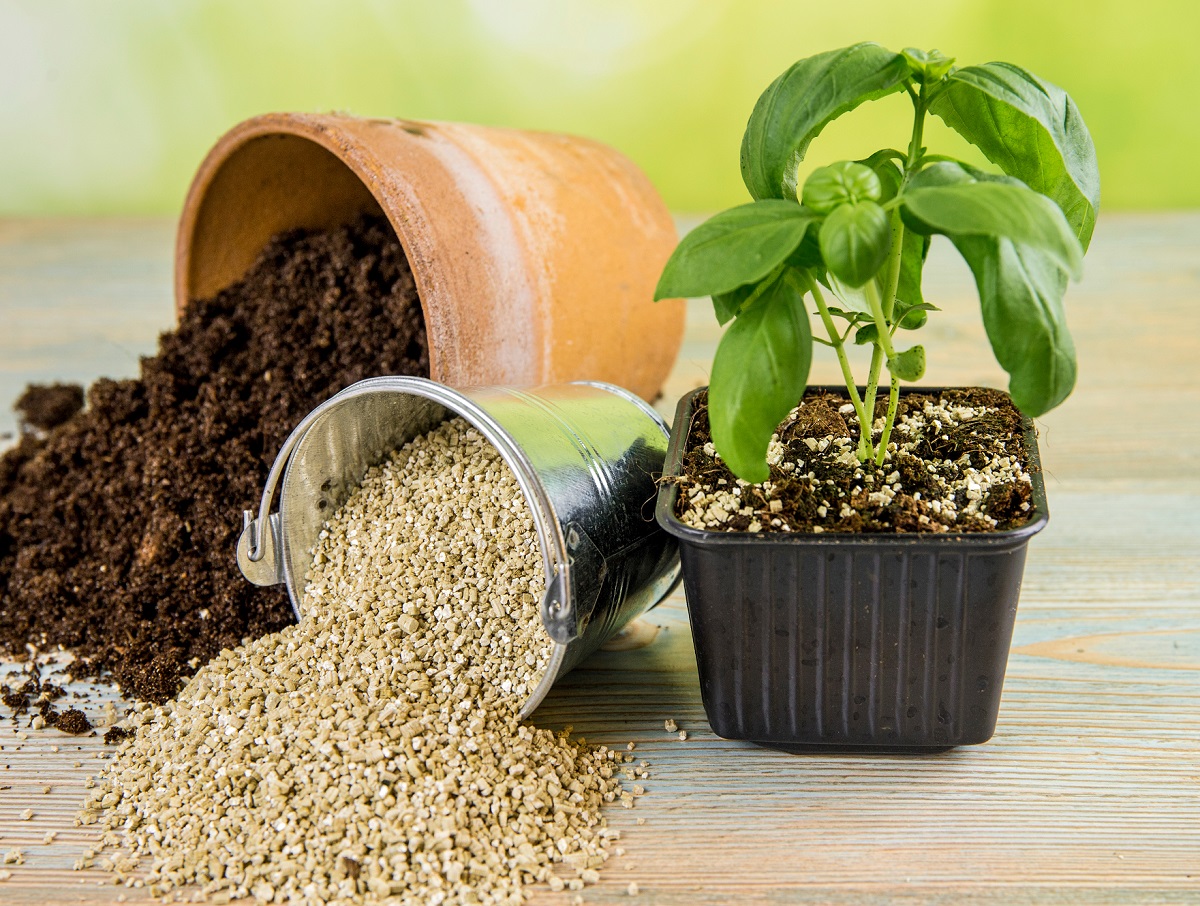
Due to its consistent water-holding abilities, vermiculite is a great option for seed starting mixes, or mixed with peat moss. Damp vermiculite also can be used to store seeds that will lose viability if allowed to dry out. Vermiculite often is added to the soil of moisture-loving potted plants such as ferns, primroses, calla lilies, and mushrooms.
Gardeners in drought-prone areas may find vermiculite highly beneficial, since soil containing it should hold moisture longer than soil containing perlite. Those who often forget to water their indoor plants probably should opt for vermiculite over perlite, too.
The grade of vermiculite can affect some of its benefits and deficits. For example, coarse vermiculite can boost aeration, but most seed-starting applications include a medium grade.
When to Use Perlite
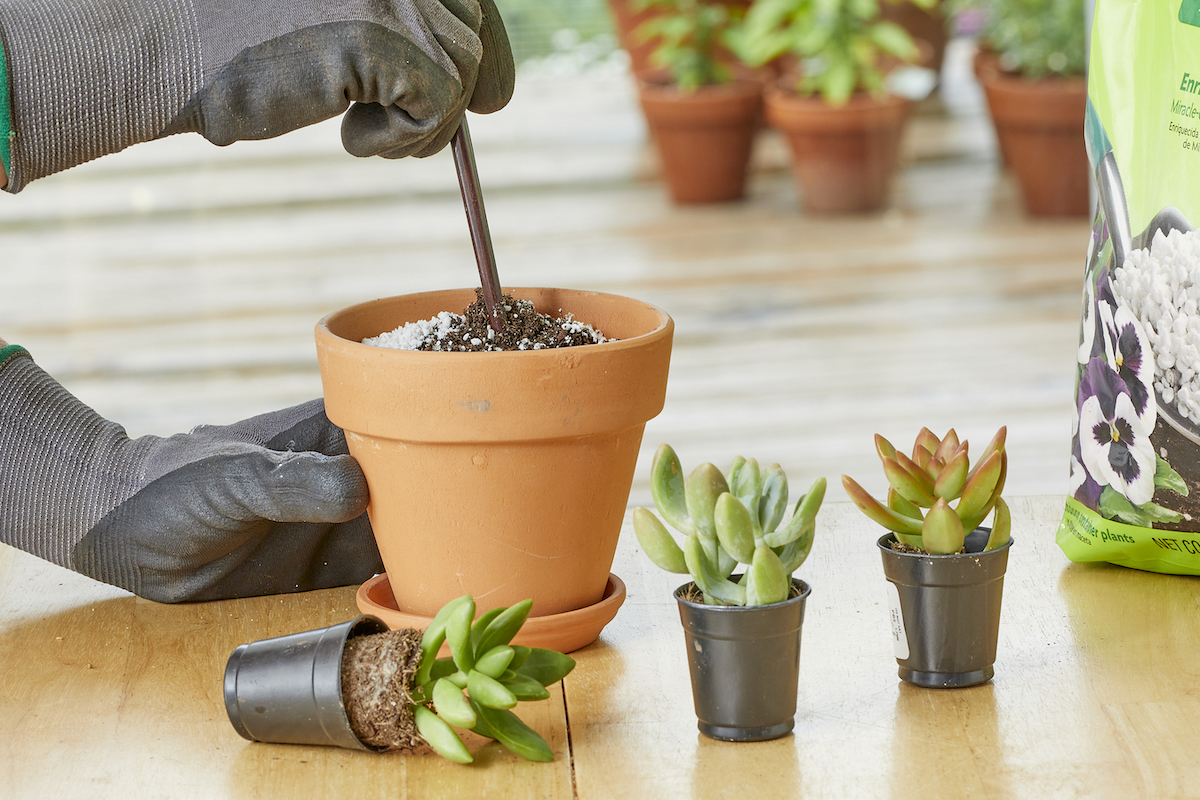
Horticultural perlite is an all-around potting soil additive, especially for plants that prefer well-draining soil, and those that need soil to dry out between waterings, such as cacti and succulents. These plants don’t like vermiculite as much because it can retain too much moisture.
Use of vermiculite vs. perlite for raised beds favors perlite for its ability to keep soil loose, since soil in raised beds and containers can compact easily. Perlite can lighten any growing medium and is especially handy in damp climates to help aerate wet soil and promote drainage. The coarser the grade of perlite, the better it is at improving aeration. Finer grades typically go into standard potting mixes or seed-starting mixes. Gardeners who tend to overwater their indoor plants can find perlite beneficial for preventing rot.
Perlite is an excellent medium for starting cuttings of plants in propagation. It is a common tool in hydroponics, and some growers might mix it with an even amount of vermiculite to gain both water retention and aeration.
Final Thoughts
When considering perlite vs. vermiculite, recognize that both offer plenty of benefits in soil mixes. One thing the amendments have in common is that they generate a lot of dust. Therefore, if you decide to mix your own potting soil, you will want to wear a dust mask or respirator while doing so. In many cases, you can add both vermiculite and perlite to soil. For example, those with raised beds in a dry climate can add perlite to keep soil from compacting, and vermiculite to help retain moisture for plants.